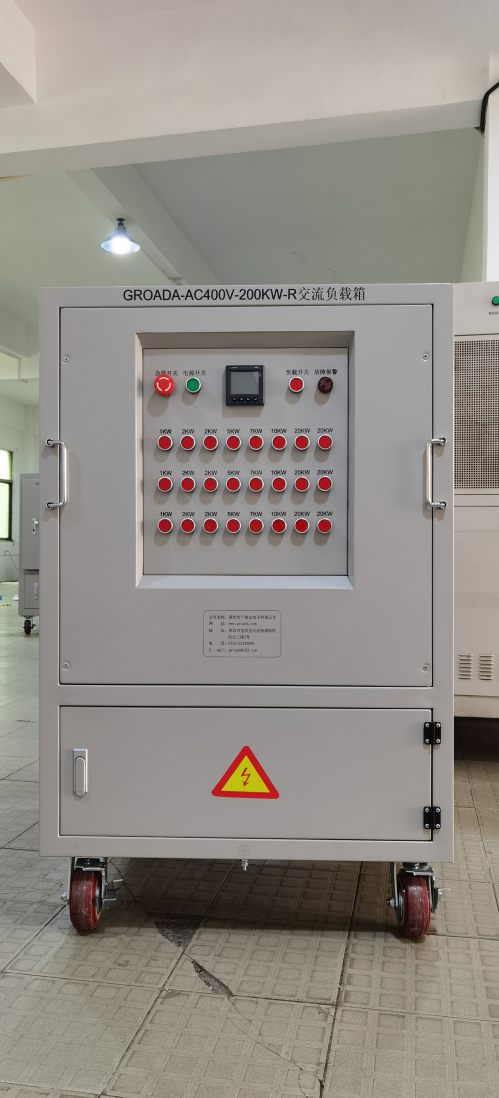
Resistive load banks are essential tools for validating the performance and reliability of electrical power systems, particularly generators used in industrial, commercial, and backup power applications. These devices simulate real-world electrical loads by converting electrical energy into heat through resistive elements, allowing engineers to test generator output under controlled conditions. Unlike reactive or capacitive load banks that introduce phase shifts, resistive load banks maintain a unity power factor (PF ≈ 1), making them ideal for assessing mechanical and thermal capabilities without complicating power flow dynamics.
The testing process typically involves gradually increasing the load from 25% to 100% of rated capacity over several hours, ensuring stable voltage regulation, proper cooling system operation, and consistent fuel consumption. For example, during factory acceptance tests (FAT) for a 500 kW diesel generator, a resistive load bank can be programmed to apply step-wise loads (e.g., 100 kW increments every 30 minutes) while measuring key parameters like frequency stability, temperature rise, and exhaust gas emissions. This structured approach aligns with IEC 60034-1 standards for motor and generator testing, which require thermal equilibrium before declaring performance compliance.
Modern resistive load banks feature remote monitoring via Modbus RTU or Ethernet interfaces, enabling real-time data logging and integration with SCADA systems. Safety mechanisms such as overtemperature shutdown, short-circuit protection, and emergency stop functions are critical for operator safety and equipment integrity—especially when testing large-scale units exceeding 1 MW. Many models comply with CE, UL, or CCC certifications, ensuring adherence to international electrical safety norms. Portable designs with fork-lift pockets and IP54 enclosures make deployment flexible across field sites, including construction zones, hospitals, and data centers.
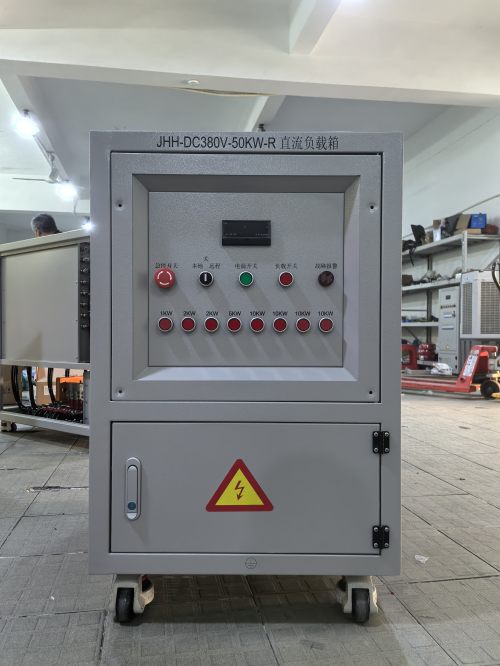
Case studies from utility providers show that routine resistive load testing reduces unexpected failures by up to 40%, particularly in off-grid microgrids where generators serve as primary sources. In one anonymized case, a 200 kW generator failed at 70% load due to poor heat dissipation—a problem identified only after using a calibrated resistive load bank. Post-fix improvements included enhanced fan control logic and better airflow management, resulting in full-load endurance for 8+ hours without overheating.
This method remains foundational because it isolates variables effectively and provides repeatable results. When combined with reactive load components (as in RLC load banks), it becomes even more versatile for grid synchronization tests. Ultimately, resistive load banks deliver measurable confidence in power system readiness—not just in theory, but in practice.