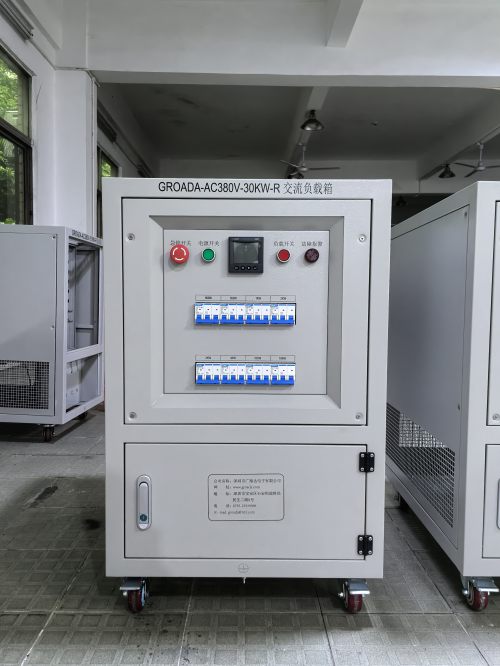
Portable load banks are essential tools for validating the performance and reliability of generators, uninterruptible power supplies (UPS), and backup power systems under real-world operating conditions. Unlike static or fixed load testing setups, portable units offer flexibility in deployment—ideal for field service engineers, facility managers, and energy system operators who need to test equipment on-site without disruption. These systems simulate electrical loads by converting electrical energy into heat through resistive, reactive, or combined RLC (resistive-inductive-capacitive) circuits. According to IEC 60034-1, motor and generator performance must be verified under full-load conditions, making load bank testing a mandatory part of factory acceptance tests (FATs) and commissioning procedures.
A typical portable resistive load bank can handle up to 500 kW per phase at 480 V AC three-phase, with adjustable power factor from 0.8 lagging to 1.0 unity. Advanced models integrate digital controls with Modbus TCP/RS-485 interfaces for remote monitoring, while passive cooling via forced air ensures stable operation in temperatures ranging from -20°C to +50°C. Thermal protection mechanisms prevent overheating, and overvoltage/undervoltage safeguards maintain safety during transient events. For applications like microgrid integration or wind farm synchronization, reactive load banks (inductive or capacitive) allow simulation of inductive motor loads or capacitor compensation scenarios.
An anonymized case study from a data center in Germany demonstrated that using a 300 kVA portable load bank during UPS commissioning revealed a 12% voltage sag issue under heavy load, which was later corrected through firmware updates and battery replacement—avoiding potential downtime during peak demand. Similarly, a mobile generator provider in Australia used a combination RLC load bank to validate engine response times across varying PFs, reducing fuel consumption by 7% after optimization.
With certifications such as CE, UL, and CCC, modern portable load banks comply with global standards for safety, EMC, and environmental resilience (IP54 rating). Regular calibration every 12 months and fan/resistor block maintenance every 2 years ensure long-term accuracy and durability. These devices are built with rugged steel chassis, lifting eyes, and fork-lift pockets for safe transport—critical for logistics-intensive industries like oil & gas, telecom, and critical infrastructure.