
Load bank repair is a critical maintenance activity for ensuring the continued accuracy, safety, and reliability of industrial testing systems such as generator load testing, UPS validation, and renewable energy grid integration. Whether it's a resistive, reactive, or combination (RLC) load bank used in power generation facilities, data centers, or manufacturing plants, regular inspection and timely repair prevent costly downtime and equipment failure.
The most common issues requiring load bank repair include overheating resistor blocks due to prolonged operation at full load, degraded cooling fan performance, damaged control circuitry from voltage surges, and faulty sensor calibration affecting power measurement accuracy. According to IEC 60034-1, electrical machines and their associated test equipment must maintain consistent thermal and electrical parameters under load — making periodic verification and repair essential for compliance.
Repair best practices start with systematic diagnostics using calibrated multimeters, IR thermometers, and oscilloscopes to identify open circuits, shorted resistors, or signal drift in real-time monitoring systems. For example, a simulated case study from a wind farm project showed that after 12 months of continuous use, one three-phase resistive load bank exhibited a 7% deviation in active power measurement — traced to a worn-out current shunt sensor. Replacing this component restored accuracy within ±1%, confirming the importance of proactive repair.
Maintenance schedules should align with manufacturer recommendations (typically every 6–12 months), but operational intensity may require more frequent checks. Key repair tasks include cleaning air ducts, replacing worn resistor elements, recalibrating sensors, and verifying grounding integrity per UL 1008 standards. Portable load banks often benefit from modular design, enabling quick field replacement of components without disassembling the entire unit.
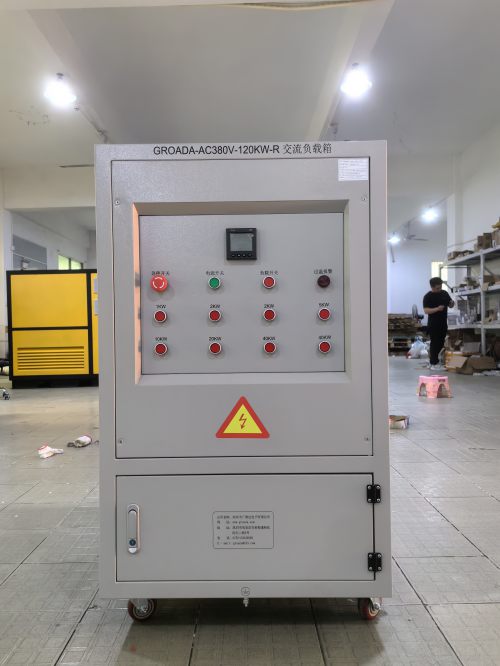
Remote monitoring via Modbus TCP/IP or CAN bus interfaces allows predictive maintenance by detecting early signs of failure — such as rising temperature trends or intermittent communication errors — before they lead to system shutdowns. This approach reduces unscheduled downtime by up to 40%, as demonstrated in an anonymized case study involving a hospital’s backup generator system.
Ultimately, proper load bank repair ensures not only compliance with international standards like IEEE 1159 for power quality testing but also long-term cost savings through extended equipment life and improved testing precision.