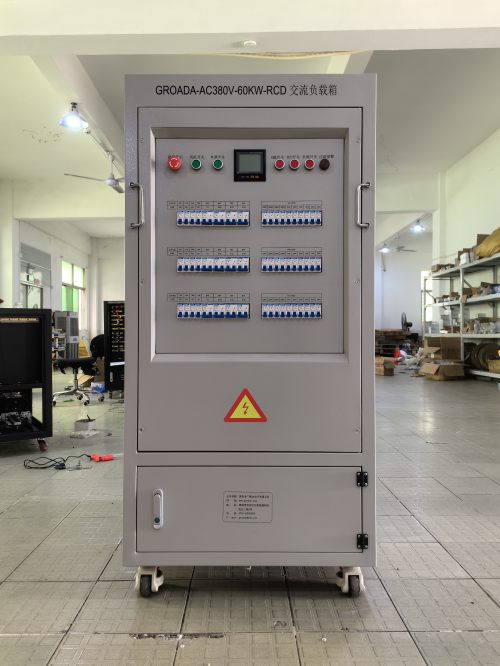
Load bank testing is a critical procedure used to verify the performance, reliability, and safety of electrical power systems such as generators, uninterruptible power supplies (UPS), and renewable energy sources like wind turbines. This process simulates real-world electrical loads, allowing engineers to assess system behavior under controlled conditions before deployment or during maintenance.
The introduction of load banks began in the early 20th century with the rise of industrial power generation. Today, they are essential tools in both factory acceptance testing (FAT) and field-based commissioning. A properly designed load bank enables precise evaluation of voltage regulation, frequency stability, fuel efficiency, and thermal management—key parameters for any generator or backup power system.
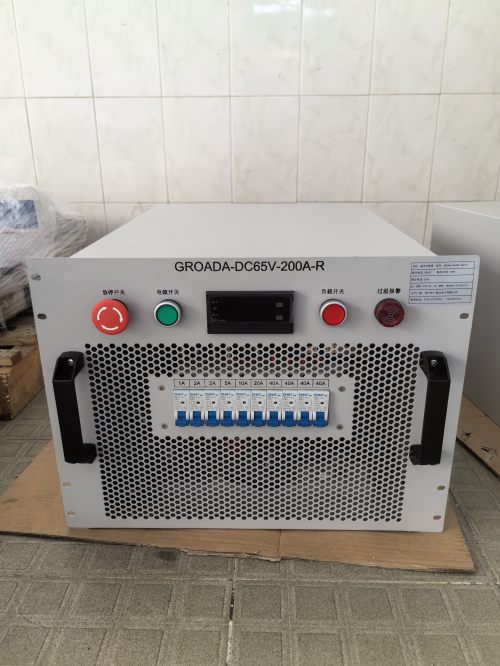
In the main body, there are three primary types of load banks: resistive, reactive, and combination (RLC). Resistive load banks convert electrical energy into heat using high-power resistor elements and are ideal for testing generators’ mechanical and thermal capabilities. Reactive load banks simulate inductive or capacitive loads by introducing lagging or leading power factors, commonly used in testing UPS systems and motor drives. Combination load banks allow simultaneous control of active (resistive) and reactive power, making them suitable for comprehensive generator validation across various operating conditions—from no-load to full-load scenarios.
Modern load banks often include digital control interfaces such as Modbus, CAN bus, or Ethernet protocols for remote monitoring and automation. They are typically rated from 10 kW up to several megawatts, with options for single-phase or three-phase configurations. Cooling methods vary—air-cooled units are common for portable applications, while water-cooled systems handle higher power densities in fixed installations. Safety features include overtemperature protection, emergency stop buttons, grounding compliance (IEC 60364), and short-circuit protection per IEC 61000-4-4 standards.
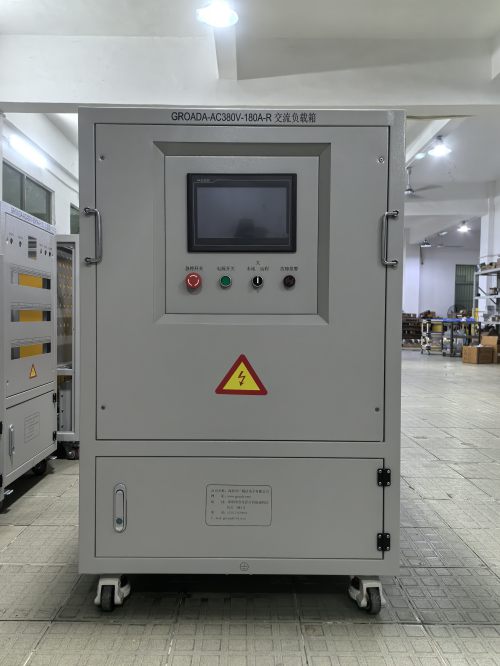
A case study from an anonymized utility project in Southeast Asia demonstrated that using a 500 kW resistive-reactive load bank improved diesel generator performance by identifying a misaligned governor response at partial load, which was later corrected through firmware updates. The test duration was 48 hours, including step-loading cycles from 25% to 100% capacity, with continuous data logging of voltage, current, and power factor.
In conclusion, load bank testing ensures power system readiness, prevents unexpected failures, and extends equipment lifespan. Whether for new installation verification or routine maintenance, selecting the right type and rating based on system requirements—guided by standards such as IEC 60034-1 (for motors) and IEEE 115 (for rotating machines)—is crucial for safe and efficient operation.