
Load banks are essential tools for verifying the performance, reliability, and safety of electrical power sources such as generators, UPS systems, and renewable energy inverters. In practical applications, resistive load banks simulate real-world resistive loads like lighting or heating systems, while reactive load banks emulate inductive or capacitive loads—such as motors or transformers—to test voltage regulation and power factor stability. Combination (RLC) load banks offer comprehensive testing by applying both resistive and reactive components simultaneously, making them ideal for factory acceptance tests (FAT), commissioning of new installations, and grid integration of microgrids or wind farms.
One major advantage of modern electronic load banks is their ability to provide precise, programmable load steps and remote monitoring via Modbus, Ethernet, or CAN interfaces. This allows engineers to automate test sequences, log data in real-time, and perform predictive maintenance based on thermal and electrical trends. For example, in a simulated case study involving a 500 kW diesel generator, using an active load bank enabled gradual ramp-up testing over 12 hours, revealing a 3% voltage drop at full load that was later corrected through fuel system recalibration—preventing future operational failures during peak demand.
Common problems include overheating due to inadequate cooling (especially in air-cooled models), incorrect power factor settings leading to inaccurate generator characterization, and improper grounding causing measurement errors. To mitigate these, standards like IEC 60034-1 and IEEE 115 recommend regular calibration (every 12 months), proper ventilation design (IP54 or higher), and use of certified equipment with E-stop functions and overtemperature protection.
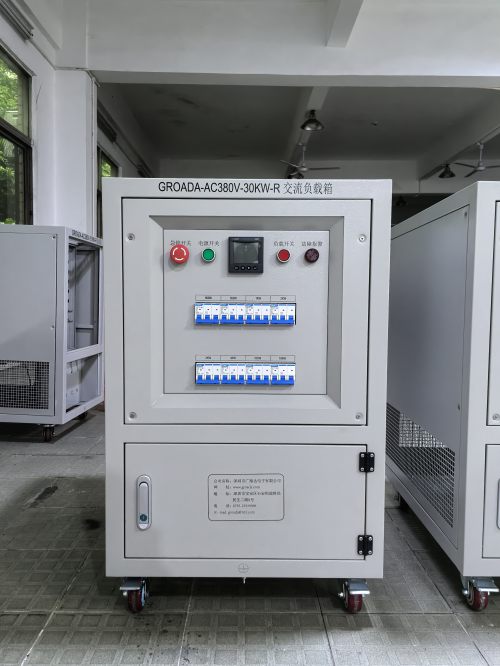
Latest trends include the rise of portable, battery-powered load banks for field testing and smart load banks integrated with cloud-based analytics platforms. These innovations improve accessibility, reduce downtime, and enhance decision-making through AI-driven diagnostics. As global energy systems become more complex—from hybrid solar-diesel setups to industrial microgrids—the need for accurate, repeatable load testing remains critical to ensure resilience and compliance.









