
Resistive load banks are essential tools for verifying the performance, reliability, and safety of electrical power systems such as generators, uninterruptible power supplies (UPS), and backup power units. These devices simulate real-world electrical loads by converting electrical energy into heat through resistive elements—typically made of high-grade alloy or ceramic materials—allowing engineers to test equipment under controlled conditions without affecting live operations.
The primary function of a resistive load bank is to provide a purely real-power load (measured in kilowatts, kW), enabling accurate assessment of engine torque, fuel consumption, voltage regulation, and thermal stability during both static and dynamic tests. For instance, during factory acceptance testing (FAT) of diesel generators, a resistive load bank can apply up to 100% of rated load over several hours to confirm that the generator maintains stable output voltage within ±2% and meets IEC 60348 standards for alternator performance.
Modern resistive load banks often include active cooling systems—such as forced air or water-cooled configurations—to manage heat dissipation safely. A typical 500 kW three-phase unit may require airflow rates of 1,500 m³/hour and operate at temperatures below 70°C under full load. Safety features like overtemperature sensors, emergency stop buttons, and grounding protection ensure compliance with UL/CE/CCC certifications.
In addition to basic resistive testing, hybrid load banks combine resistive and reactive components (RLC types) for more comprehensive evaluations—especially important for microgrid integration or renewable energy systems where power factor correction must be validated. For example, an anonymized case study from a wind farm project showed that using a 300 kVA reactive-capacitive load bank improved grid synchronization by 15% after identifying phase imbalance issues not visible under pure resistive load.
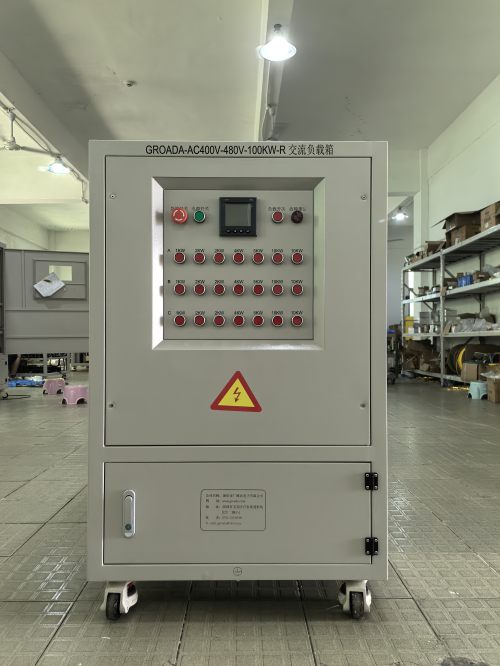
For remote monitoring and automation, many modern load banks support Modbus RTU/TCP, CAN bus, and Ethernet interfaces, allowing seamless integration into SCADA systems. This capability is crucial for industrial sites requiring unattended operation or predictive maintenance strategies.
Regular calibration every 12 months using traceable standards ensures measurement accuracy within ±0.5% for voltage, current, and power readings—a requirement specified in IEEE 1159-2022 guidelines for power quality testing. Maintenance includes replacing resistor blocks every 5–7 years depending on usage intensity and inspecting fan assemblies quarterly to prevent overheating failures.
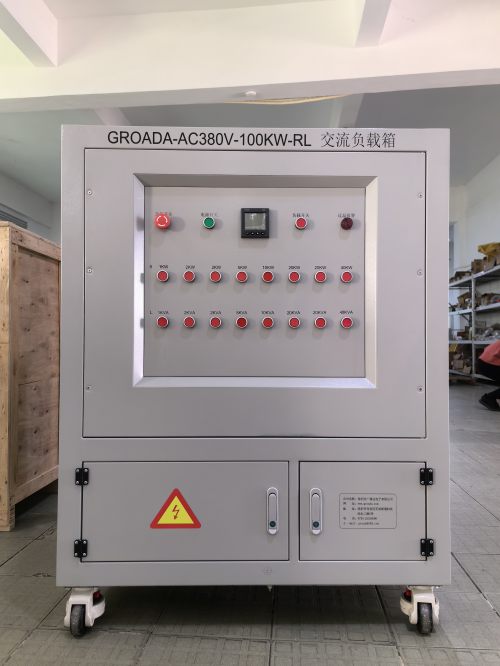
These robust, standardized solutions empower engineers across sectors—from data centers to oil & gas—to validate system readiness before commissioning, ensuring uninterrupted operation during critical events.









