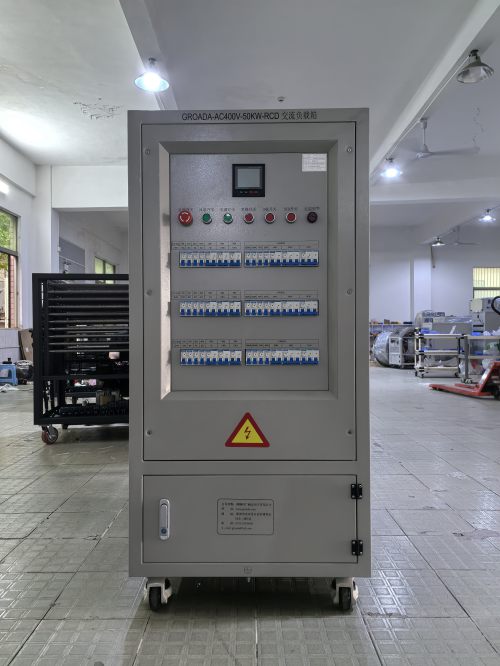
Portable load banks are essential tools for validating the performance of generators, uninterruptible power supplies (UPS), and other electrical power systems under real-world operating conditions. These devices simulate electrical loads to test how well a power source can handle full or partial demand, ensuring reliability before deployment or during routine maintenance.
The main body of portable load bank testing focuses on three core types: resistive, reactive, and combination (RLC) load banks. Resistive load banks convert electrical energy into heat using high-power resistors, making them ideal for testing engine cooling, fuel consumption, and voltage regulation in diesel or natural gas generators. Reactive load banks—either inductive or capacitive—simulate real-world loads such as motors or transformers, enabling tests of power factor correction and system stability. Combination load banks offer both resistive and reactive components, allowing comprehensive testing across multiple parameters, especially for three-phase systems used in industrial and data center environments.
Modern portable load banks feature advanced control systems with digital displays, remote monitoring via Ethernet or Modbus, and thermal protection to prevent overheating. They typically operate from 1 kW up to 5000 kVA, with voltage ranges from 120 V to 690 V AC, and support single-phase or three-phase configurations. Cooling methods include forced air (fan-cooled) and water-cooled options, depending on the application’s thermal management needs. Safety features like E-STOP, overtemperature shutdown, and grounding compliance meet IEC 60034-1 and UL 1008 standards, ensuring safe operation in field environments.
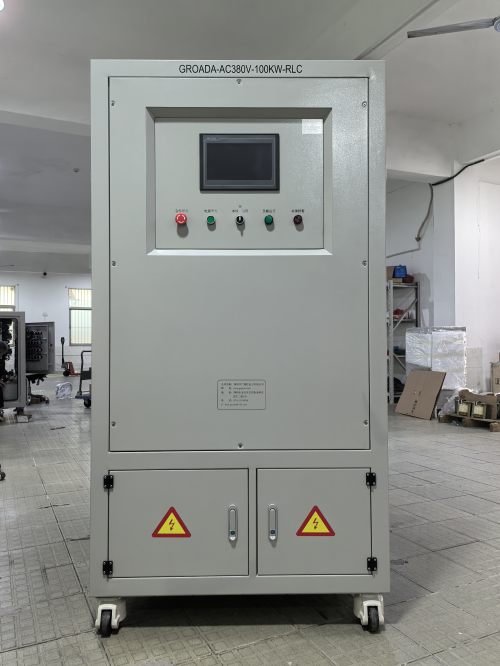
Case studies show that portable load banks improve system uptime—such as in an anonymized data center where a 1000 kVA generator was tested at 100% load for 4 hours, revealing a 5% voltage drop under sustained load, prompting adjustments to the excitation system. Similarly, in a wind farm grid connection test, a 3-phase reactive load bank verified harmonic distortion levels below IEEE 519 limits, confirming compatibility with utility infrastructure.
In conclusion, portable load banks provide critical verification for power systems across industries—from construction sites to renewable energy projects. Their flexibility, safety, and precision make them indispensable for commissioning, troubleshooting, and preventive maintenance, ensuring that backup power sources remain dependable when it matters most.