
Resistive load banks are essential tools in the testing and validation of power generation systems, including diesel generators, gas turbines, and uninterruptible power supplies (UPS). These devices simulate real-world electrical loads by converting electrical energy into heat through resistive elements. Their primary function is to verify that a generator or UPS can perform under actual operating conditions—especially during peak demand or emergency situations.
A key advantage of resistive load banks is their simplicity and reliability. Unlike reactive or capacitive load banks, they do not require complex circuitry or synchronization with the grid. They are ideal for factory acceptance tests (FAT), commissioning, and routine maintenance checks. For example, in a 500 kW three-phase diesel generator test, a resistive load bank can gradually apply 100%, 75%, 50%, and 25% load steps over several hours to assess voltage regulation, frequency stability, and fuel efficiency.
Practical applications span multiple industries. In data centers, UPS systems are tested using resistive load banks to ensure uninterrupted operation during utility failures. In the oil and gas sector, portable resistive load banks are used on offshore platforms to validate backup generators before critical operations begin. A simulated case study from a wind farm project showed that using a 300 kVA resistive load bank during grid connection testing allowed engineers to detect a mismatch in automatic voltage regulator (AVR) response time—leading to a firmware update that improved system resilience.
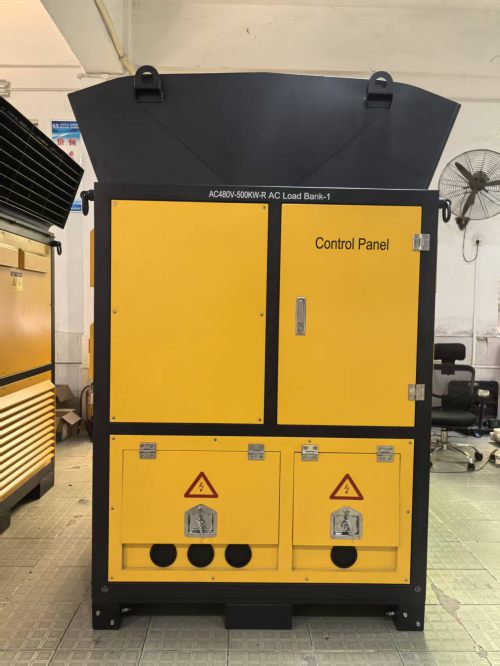
Common problems include overheating due to inadequate cooling, uneven load distribution across phases, and inaccurate power measurements if sensors are not properly calibrated. Modern load banks now integrate remote monitoring via Modbus TCP/IP or Ethernet interfaces, allowing operators to adjust load profiles in real-time and receive alerts for overtemperature or fault conditions.
The latest trend is the integration of digital twins and IoT-enabled control systems, which allow predictive diagnostics and automated load cycling based on historical performance data. Standards such as IEC 60034-1 and IEEE 1159 guide safe design practices, especially regarding thermal protection and short-circuit endurance.
With increasing adoption of renewable energy and microgrids, resistive load banks remain indispensable—not just for testing, but also for validating system behavior under variable load profiles. Their robustness, combined with modern digital features, makes them a trusted choice for engineers worldwide.