
Portable load banks are essential tools for verifying the performance and reliability of generators, uninterruptible power supplies (UPS), and backup power systems. Whether in industrial facilities, data centers, or remote construction sites, these devices simulate real-world electrical loads to ensure equipment operates efficiently under full capacity. A well-designed portable load bank typically includes resistive, reactive, or combined RLC (resistive-inductive-capacitive) elements, allowing engineers to test power sources across a wide range of power factors—from unity (1.0) to highly inductive or capacitive loads.
For generator testing, portable load banks are used during factory acceptance tests (FAT), commissioning, and periodic maintenance. According to IEC 60348, such testing ensures that diesel or gas-powered generators meet rated output under varying load conditions, including transient response and voltage regulation. In a simulated case study at a telecommunications facility, a 500 kW three-phase resistive load bank was applied for 2 hours at 100% load to verify generator stability—results showed a voltage drop within 2% of nominal, confirming compliance with IEEE 1159 standards for power quality.
Modern portable load banks feature digital controls, remote monitoring via Modbus or Ethernet, and built-in safety protections like overtemperature, short-circuit, and emergency stop functions. Cooling is typically air-based, though water-cooled models exist for high-power applications. Mechanical design emphasizes portability—IP54 rating, lifting eyes, and forklift pockets make them suitable for transport between job sites. Maintenance intervals are recommended every 6 months, with resistor block calibration annually using a calibrated multimeter per NIST-traceable procedures.

These units are also critical in microgrid and renewable energy integration testing, where grid synchronization and load-following capabilities must be validated before commissioning. For example, a wind farm project in Germany used a 1 MW combination load bank to simulate both resistive and reactive components during grid connection trials—data from this test informed adjustments to inverter control logic, improving power factor correction by 15%.
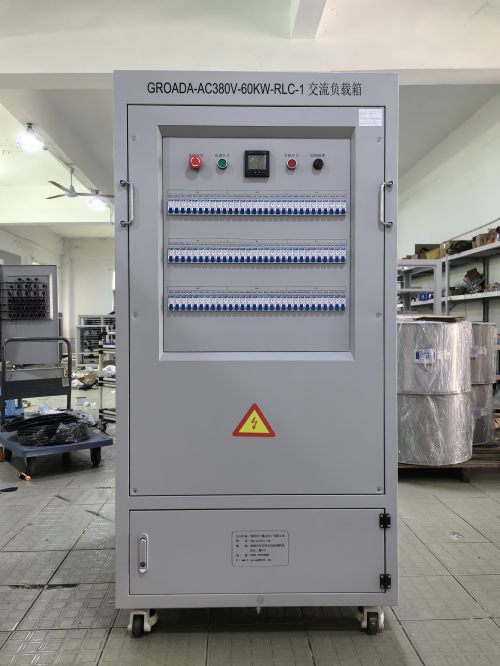
By combining technical rigor with field practicality, portable load banks serve as indispensable assets for ensuring power system integrity across diverse industries.