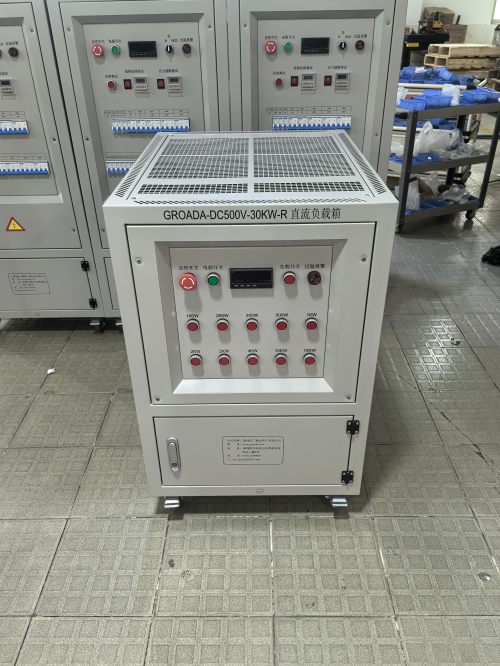
Portable load banks are essential tools for validating generator performance in field applications, ensuring reliability before commissioning or during routine maintenance. These systems simulate real-world electrical loads by drawing power from the generator under test and converting it into heat, allowing engineers to assess critical parameters such as voltage regulation, frequency stability, and thermal response. A typical portable resistive load bank can handle up to 500 kW at 480 V three-phase, with adjustable load steps from 10% to 100% of rated capacity. The active circuit design uses IGBT-based switching for precise control, while passive cooling via forced air ensures safe operation within a temperature rise limit of 70°C above ambient. Compliance with IEC 60034-1 (rotating machines) and IEEE 1159 standards ensures measurement accuracy for active power (±1%), reactive power (±2%), and power factor (±0.01). Modern units feature remote monitoring through Modbus RTU and Ethernet interfaces, enabling integration into SCADA systems for automated testing. For example, an anonymized case study at a wind farm site used a 300 kVA portable load bank to verify generator synchronization prior to grid connection—results showed stable output over 4 hours at 95% load, with no voltage dips or frequency deviations. Safety features include E-STOP buttons, ground fault protection, and overtemperature shutdowns, all certified under CE and UL standards. Regular calibration every 12 months using NIST-traceable equipment maintains precision, while resistor blocks typically last 5–7 years depending on usage intensity. This makes portable load banks indispensable for testing generators in remote locations, hospitals, data centers, and industrial plants where uptime is critical.