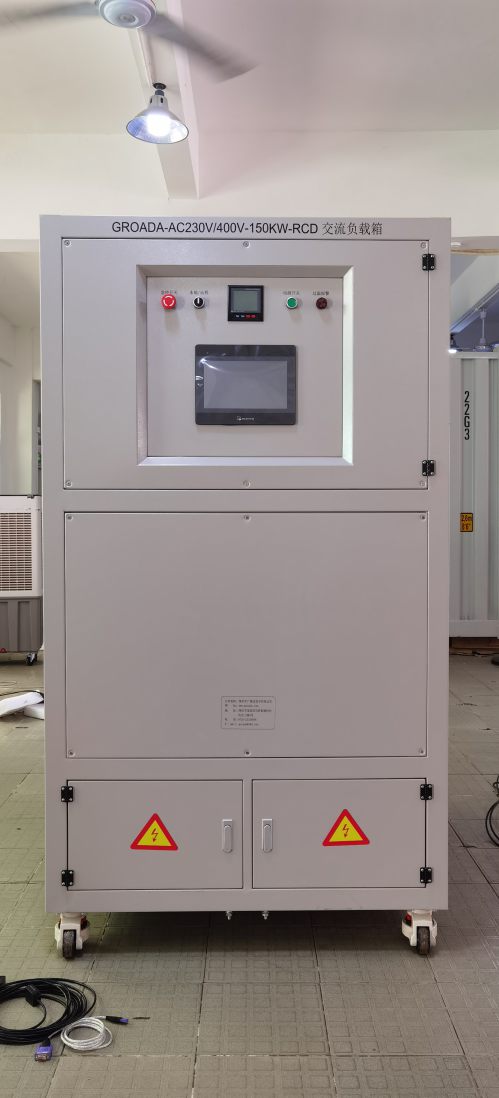
Resistive load banks are essential tools in electrical testing, particularly for verifying the performance and reliability of generators, UPS systems, and renewable energy sources like solar and wind farms. These devices simulate real-world electrical loads by converting electrical power into heat through resistive elements—typically made of high-temperature alloy wire or ceramic blocks. Unlike reactive or capacitive load banks, resistive models offer straightforward, linear power absorption that makes them ideal for initial generator acceptance tests, factory commissioning, and routine maintenance checks.
A typical resistive load bank can handle from 5 kW to over 10 MW, with options for single-phase or three-phase configurations. They are commonly used in applications such as diesel generator load testing, backup power system validation, and grid synchronization trials. For instance, during a generator factory acceptance test (FAT), engineers apply increasing resistive loads up to 100% capacity to ensure stable voltage regulation, proper cooling, and correct fuel consumption behavior under full load conditions.
Modern resistive load banks often feature remote monitoring via Modbus RTU or Ethernet interfaces, allowing operators to control and log data without being physically present. Built-in thermal protection systems prevent overheating, while robust IP54-rated enclosures ensure safe operation in industrial environments. Standards such as IEC 60034-1 (rotating machines) and IEEE 1159 (power quality) guide their design, ensuring compatibility with international electrical systems.
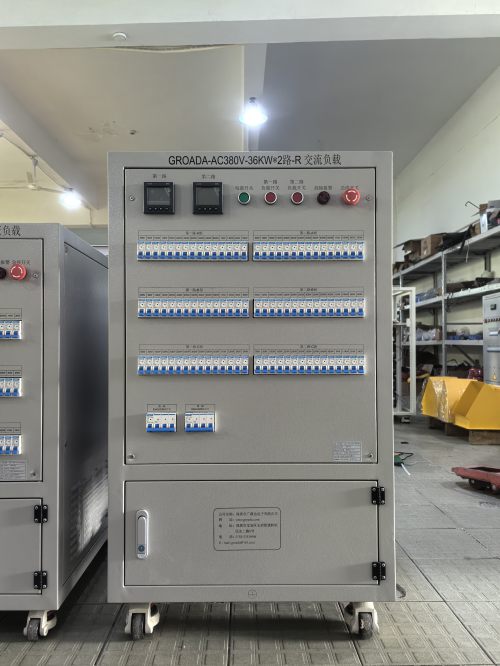
Case studies show that using resistive load banks improves system uptime by identifying issues early—such as poor governor response or inadequate cooling—before they lead to field failures. In one anonymized case, a 2 MW diesel generator was tested at 75% load for 8 hours using a portable resistive load bank; results revealed a 5% voltage drop exceeding acceptable limits, prompting adjustments to the automatic voltage regulator (AVR). This proactive approach reduces costly downtime and ensures compliance with utility interconnection requirements.
When selecting a resistive load bank, key parameters include maximum power rating (kW), voltage range (e.g., 230/400 V AC), phase configuration, and heat dissipation capability. Proper calibration (annually recommended) and regular inspection of resistor blocks and fans maintain accuracy and safety. Whether for portable use on construction sites or fixed installation in power plants, these tools remain indispensable for reliable power system diagnostics.