
Moseback load banks are precision-engineered electrical testing devices used to simulate real-world loads on power generation systems such as diesel generators, gas turbines, and renewable energy inverters. These load banks play a critical role in commissioning, maintenance, and performance validation of power equipment across industries like data centers, hospitals, manufacturing plants, and telecom infrastructure.
Designed for both resistive and reactive load simulation, Moseback models offer flexible configurations—single-phase or three-phase operation—to match the exact requirements of any generator set or UPS system. Their robust construction ensures safe and repeatable load testing under full power conditions, while built-in safety features including overtemperature protection, short-circuit detection, and emergency stop functionality meet international standards such as IEC 60034-1 and IEEE 1547 for generator testing reliability.
A key advantage of Moseback load banks lies in their modular design. For example, a typical 300 kW resistive load bank may include up to 12 individually controlled resistor blocks, each capable of handling 25 kW continuously at 480 VAC. This allows for stepwise loading from 10% to 100%, enabling detailed analysis of voltage regulation, frequency stability, and fuel efficiency under varying load profiles. Additionally, many units support reactive (inductive/capacitive) modes to test power factor correction systems—an essential requirement for grid-connected solar farms or wind turbines where reactive power management is regulated by utility operators.
Modern Moseback units often integrate digital control panels with Modbus RTU/ASCII or Ethernet communication protocols, allowing remote monitoring via SCADA systems or cloud-based platforms. Field-proven examples include a simulated case study in a European data center where a 250 kVA three-phase Moseback load bank was used to validate generator performance during black-start tests, confirming that the unit maintained stable output within ±2% voltage deviation over a 4-hour test period—well within IEC 60034-1’s accepted tolerances.
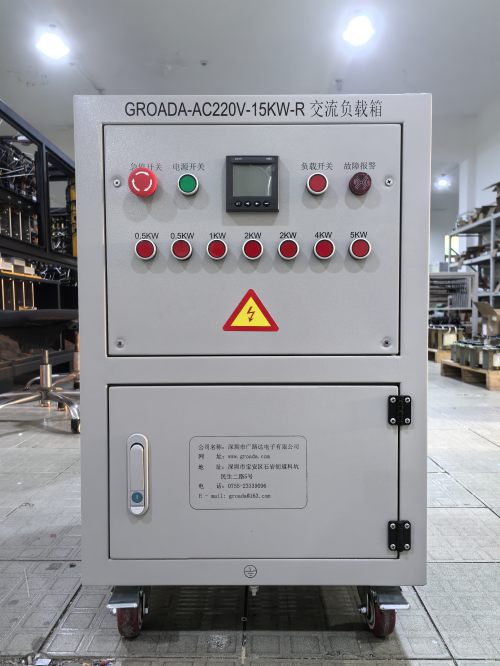
For portability, most Moseback load banks come in wheeled chassis with IP54-rated enclosures, making them suitable for outdoor use in harsh environments. Thermal management relies on forced-air cooling with automatic fan speed control based on internal temperature sensors, ensuring consistent operation even when ambient temperatures exceed 40°C. Calibration certificates traceable to NIST standards are provided annually, and recommended maintenance includes cleaning resistor elements and inspecting airflow paths every 500 operating hours.
By combining high accuracy, rugged durability, and advanced diagnostics, Moseback load banks remain a trusted solution for engineers conducting factory acceptance tests (FAT), preventive maintenance, and compliance verification in global power systems.









