
Portable load banks are essential tools for verifying the performance, reliability, and safety of electrical power systems such as generators, uninterruptible power supplies (UPS), and renewable energy inverters. These devices simulate real-world electrical loads to ensure that power sources can deliver consistent voltage, frequency, and current under various operating conditions—from idle to full capacity.
A typical portable load bank includes resistive, reactive, or combination (RLC) modules, allowing engineers to test both active and reactive power characteristics. Resistive load banks convert electrical energy into heat using precision resistor elements, while reactive load banks use inductive or capacitive components to mimic motor or transformer behavior. Combination load banks offer flexibility by enabling simultaneous testing of both types of loads—critical for applications like data center power validation or microgrid integration.
Key technical specifications include rated power (from 5 kW to 1000+ kVA), three-phase capability, adjustable power factor (0.1–1.0), and advanced cooling systems such as forced air or water-cooled designs. Modern units feature digital controls with Modbus RTU/ASCII, Ethernet, and RS-485 communication interfaces for remote monitoring and automated load cycling. Safety features like overtemperature protection, short-circuit detection, E-stop buttons, and grounding compliance (IEC 60364-1, UL 1008) ensure safe operation even in field environments.
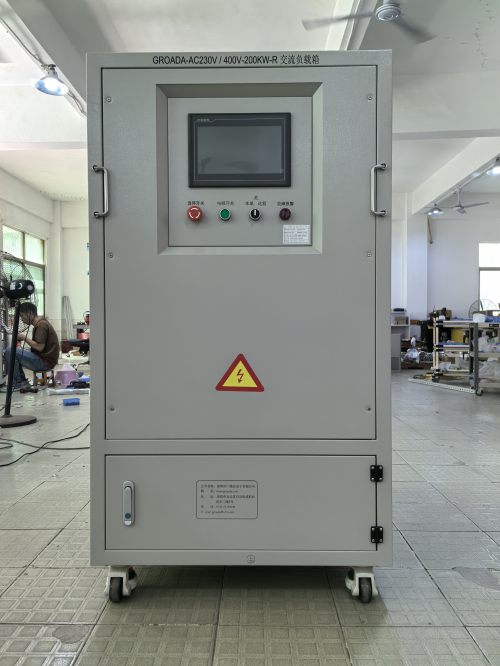
Case studies show that portable load banks reduce downtime during factory acceptance tests (FAT) and help prevent costly failures in mission-critical infrastructure. For example, an anonymized case study from a hospital backup generator test revealed that load bank testing identified a faulty excitation system before commissioning—avoiding potential failure during a blackout. Similarly, a simulated wind farm grid connection test demonstrated improved inverter response times after adjusting load bank parameters based on IEC 61000-4-30 standards.
These systems must be regularly calibrated (typically every 12 months) using traceable equipment per ISO/IEC 17025 guidelines. Maintenance includes replacing fan assemblies and resistor blocks annually depending on usage intensity. A well-maintained portable load bank extends equipment life, improves efficiency, and supports regulatory compliance across industries such as healthcare, telecom, and industrial manufacturing.