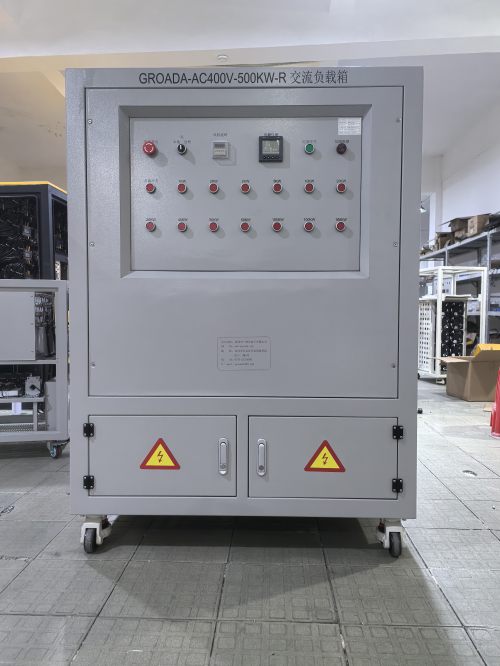
Resistive load banks are essential tools for testing the performance, reliability, and safety of power generation systems such as diesel generators, gas turbines, and renewable energy inverters. These devices simulate real-world electrical loads by converting electrical energy into heat through resistive elements—typically high-power wire-wound or ceramic resistors. This process allows engineers to validate a generator's ability to maintain stable voltage and frequency under various load conditions, ensuring it meets design specifications before deployment.
For example, during factory acceptance testing (FAT), a 100 kW resistive load bank may be used to apply a 75% load for at least one hour while monitoring output parameters like voltage regulation, fuel consumption, and temperature rise. According to IEC 60348, such tests must be conducted with precision instruments to verify that the generator operates within ±2% voltage tolerance and ≤3% frequency deviation under rated load.
Modern portable resistive load banks often feature three-phase capabilities (up to 300 kVA), digital control panels, remote monitoring via Modbus TCP or RS-485, and thermal protection systems that automatically shut down the unit if internal temperatures exceed 120°C. They typically operate from 200–480 VAC and support both single-phase and three-phase configurations, making them ideal for field service engineers working on mobile power units or emergency backup systems.
Safety is critical—CE-certified units include ground fault protection, short-circuit detection, and E-stop functionality. Cooling methods vary: air-cooled models use forced convection fans, while water-cooled variants offer higher efficiency for continuous duty cycles. Maintenance includes annual calibration using Class 0.5 accuracy meters and replacement of resistor blocks every 5–7 years based on usage intensity.
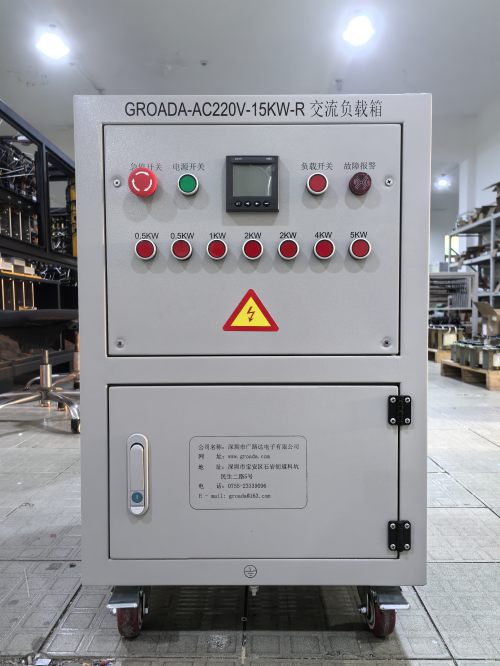
An anonymized case study from a utility company in Germany showed that using a calibrated resistive load bank reduced generator failure rates by 40% over 12 months compared to untested units. Another simulated example involving a microgrid installation in Australia demonstrated how resistive load testing helped optimize inverter response time during grid synchronization events.
These tools are indispensable for validating new installations, commissioning UPS systems, and preparing backup generators for critical infrastructure like hospitals and data centers.