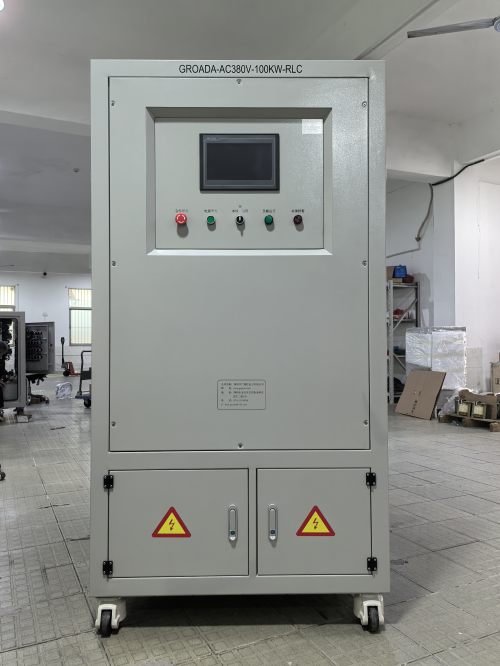
Portable load banks are essential tools in the testing and maintenance of electrical power systems such as generators, uninterruptible power supplies (UPS), and backup power solutions. These devices simulate real-world electrical loads to verify performance under various conditions—ensuring reliability before critical operations. In practical applications, portable load banks are widely used during factory acceptance tests (FAT), commissioning of new installations, periodic maintenance checks, and emergency readiness evaluations. For instance, a 100 kW resistive load bank can be deployed on-site to test a diesel generator’s ability to handle full load for extended periods, typically 2–4 hours per IEC 60348 standards.
One key advantage is their flexibility—being mobile, they eliminate the need for permanent installation and allow testing across multiple sites or facilities. They also offer precise control over load levels (from 10% to 100%) and can be configured for resistive, reactive, or combined RLC modes depending on the system being tested. This versatility makes them ideal for both industrial and commercial settings, including data centers, hospitals, and remote telecom towers.
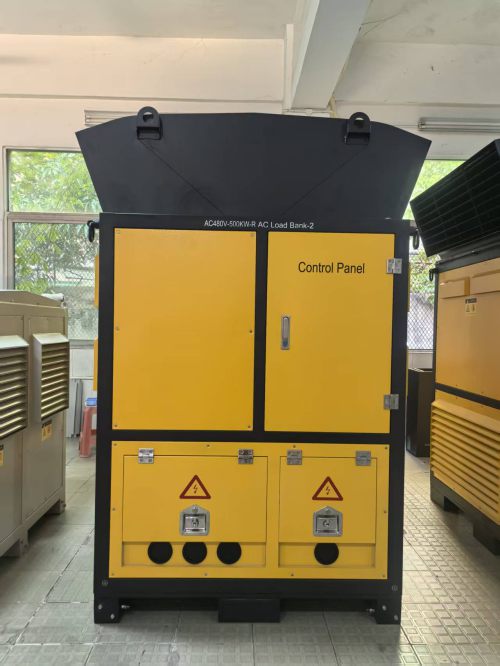
Common problems include overheating due to inadequate ventilation or incorrect load ramping rates, which may trigger thermal protection mechanisms. To prevent this, modern units incorporate intelligent cooling systems with variable-speed fans and real-time temperature monitoring. Another issue is inaccurate power factor readings if reactive components degrade over time—a reason why regular calibration every 12 months is recommended per IEEE 1159 guidelines.
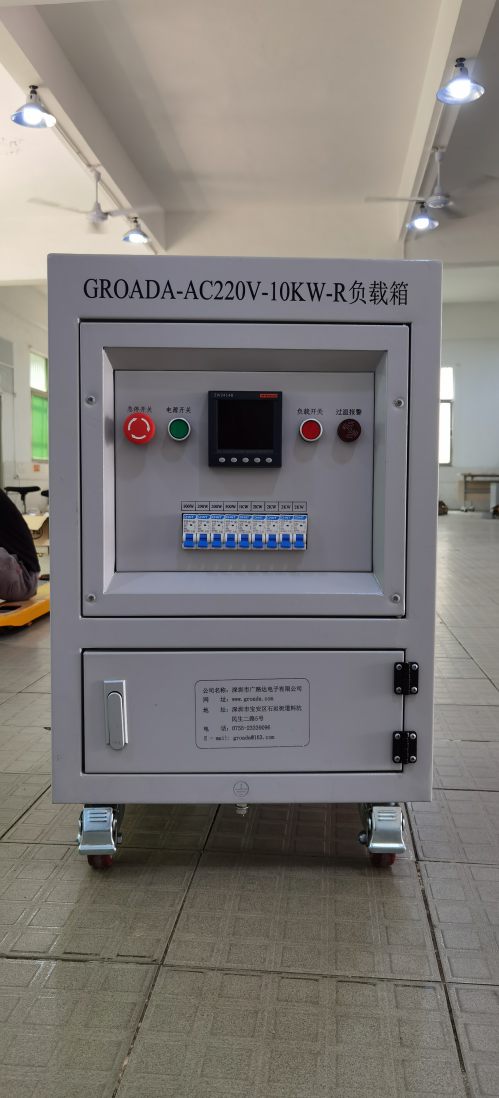
The latest trend is the integration of IoT-enabled remote monitoring via Modbus TCP/IP or Ethernet interfaces, allowing operators to conduct tests from centralized dashboards. Some manufacturers now offer cloud-based analytics that log voltage, current, power factor, and efficiency trends automatically, reducing manual oversight and improving predictive maintenance strategies. As renewable energy systems like solar farms and microgrids become more common, portable load banks are increasingly used to validate grid synchronization capabilities—an application that demands dynamic load profiles and high-accuracy measurements.