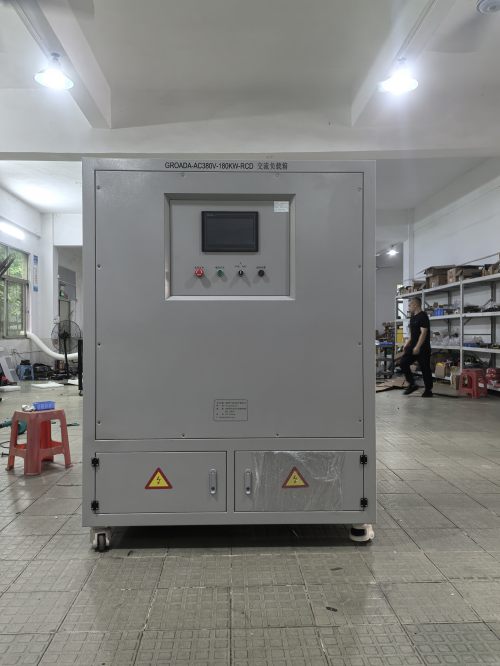
Portable load banks are essential tools for validating generator performance in industrial, commercial, and remote power applications. These devices simulate real-world electrical loads to test the full capacity, stability, and reliability of generators under controlled conditions. Unlike static or fixed load systems, portable load banks offer flexibility for on-site testing—whether during factory acceptance tests (FAT), commissioning, or routine maintenance.
A typical portable resistive load bank consists of high-power resistor modules that convert electrical energy into heat, which must be efficiently dissipated using forced-air cooling or water-cooling systems. For three-phase applications, these units often feature adjustable power factors (typically from 0.8 lagging to 1.0 leading) and can be configured for single-phase or three-phase operation. IEC 60034-1 and IEEE 1503 provide standardized procedures for generator testing, ensuring consistency across global markets.
Modern portable load banks include advanced control interfaces such as Modbus TCP/IP, RS-485, and Ethernet for remote monitoring and data logging. This allows engineers to record voltage, current, active power (kW), reactive power (kVAR), and power factor over time, enabling precise diagnostics. Thermal protection systems prevent overheating, while short-circuit and overvoltage safeguards ensure safe operation—even in harsh environments like construction sites or oil rigs.
In an anonymized case study from a mining site in Australia, a 500 kW diesel generator was tested using a portable RLC load bank over 4 hours at 100% load. The test revealed a 2.3% voltage drop under peak load—a deviation within acceptable limits per IEC standards. Post-test adjustments improved fuel efficiency by 6%. Such insights highlight how portable load banks not only validate generator health but also optimize long-term operational costs.
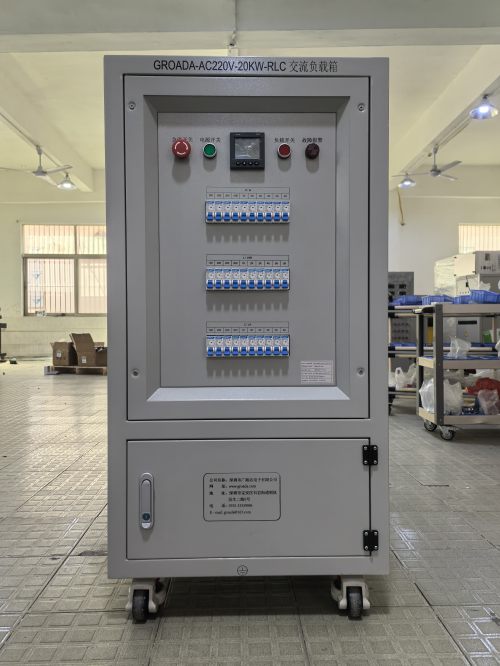
For portability, units typically weigh between 150–800 kg depending on capacity and come with fork-lift pockets, lifting eyes, and IP54-rated enclosures for dust and splash resistance. Maintenance includes annual calibration using NIST-traceable equipment and replacement of resistor blocks every 3–5 years based on usage intensity.
These features make portable load banks indispensable for power system engineers seeking reliable, repeatable, and compliant generator testing solutions worldwide.