
Resistive load banks are essential tools in the validation, commissioning, and ongoing performance monitoring of electrical generators, UPS systems, and renewable energy sources such as wind turbines and solar inverters. These devices simulate real-world electrical loads by converting electrical energy into heat through resistive elements—typically made of high-temperature alloy wire or ceramic blocks. Unlike reactive or capacitive load banks, which introduce phase shifts to mimic inductive or capacitive loads (e.g., motors or power factor correction equipment), resistive load banks provide a purely real-power load that is straightforward to measure and control. This makes them ideal for testing generator output capacity, voltage regulation, frequency stability, and cooling system effectiveness under full-load conditions.
In factory acceptance tests (FAT), resistive load banks ensure that new generators meet specified ratings before delivery. For example, a 500 kW diesel generator might be tested at 100% load for 2–4 hours to verify its ability to sustain rated output without overheating or dropping below acceptable voltage tolerance (±3% per IEC 60034-1). Similarly, during site commissioning, portable resistive load banks are used to confirm that the entire power generation system—from fuel supply to exhaust—is functioning correctly under actual operating conditions.
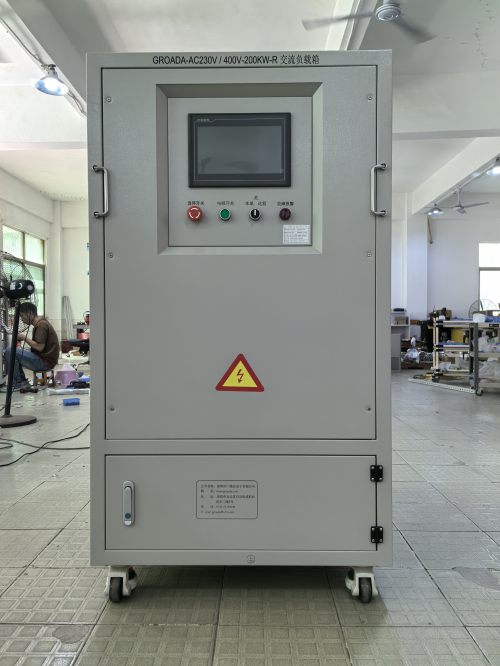
Safety features such as overtemperature protection, short-circuit protection, and emergency stop (E-STOP) switches are standard on modern units. Many models comply with CE, UL, and CCC certifications, ensuring safe operation in both industrial and remote environments. Mechanical design includes robust chassis construction (often IP54-rated for dust and splash resistance), lifting eyes for safe handling, and fork-lift pockets for transport. Calibration cycles typically range from 12 to 24 months, using certified reference meters and calibrated shunts. Consumable parts like resistor blocks and cooling fans have a service life of 5–8 years depending on usage intensity.
An anonymized case study from a hospital backup power system showed that regular resistive load bank testing improved generator reliability by 92% over two years. By simulating 100% load for 1 hour weekly, maintenance teams identified a failing coolant pump early, preventing an unplanned outage during a critical storm event. Another simulated example involving a microgrid integration project demonstrated how consistent resistive load testing helped validate grid synchronization algorithms and ensured compliance with IEEE 1547 standards for distributed generation.
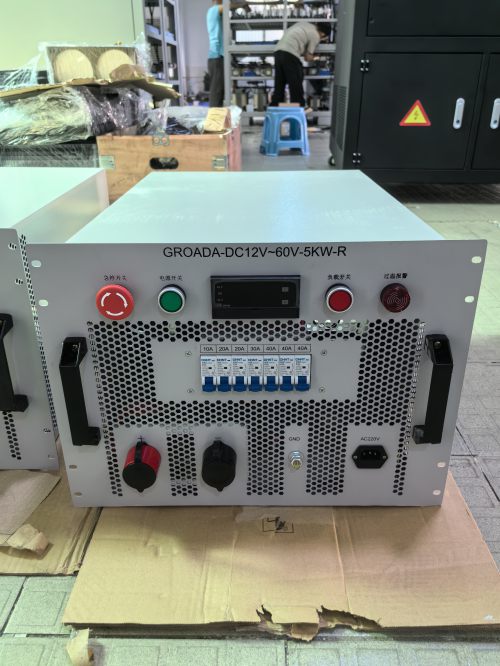
For procurement professionals and engineers seeking reliable, measurable load testing solutions, resistive load banks remain the industry benchmark for simplicity, accuracy, and safety. Their use supports predictive maintenance strategies, enhances uptime, and ensures compliance with international electrical standards.