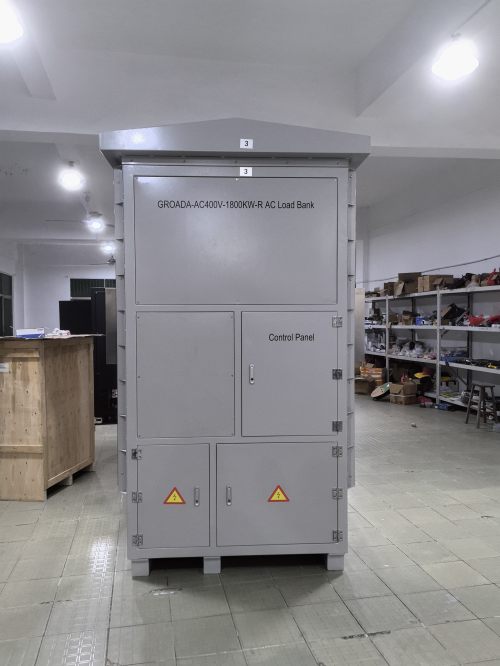
Resistive load banks are essential tools in electrical testing, particularly for validating generator performance under real-world conditions. These devices simulate electrical loads by converting electrical energy into heat through resistive elements, allowing engineers to test generators, UPS systems, and backup power sources before deployment. A typical resistive load bank can be configured for single-phase or three-phase operation and is commonly used in factory acceptance tests (FAT), commissioning, and periodic maintenance checks. According to IEC 60034-1, motor and generator performance must be verified under full-load conditions, which resistive load banks effectively replicate. The design includes robust cooling systems—such as forced-air fans—to manage high temperatures during prolonged testing. Safety features like overtemperature protection, short-circuit protection, and emergency stop (E-STOP) mechanisms ensure safe operation, while CE/UL/CCC certifications confirm compliance with international safety standards. Portable models often feature forklift pockets and lifting eyes for easy transport, making them ideal for field testing. Calibration is recommended every 12 months using certified equipment, and resistor blocks typically last 5–7 years depending on usage intensity. In a simulated case study at a wind farm, a 500 kW resistive load bank was used to test grid integration of a new turbine system; results showed stable voltage regulation and efficient reactive power handling, confirming the system’s readiness for commercial operation. Such testing ensures reliability, reduces downtime, and supports compliance with industry standards such as IEEE 1159 for power quality.