
Load bank testing is a critical procedure used to verify the performance, reliability, and safety of electrical power systems such as generators, UPS units, and renewable energy inverters. It simulates real-world electrical loads under controlled conditions, allowing engineers to evaluate how a system behaves when subjected to actual operating stresses—without relying on unpredictable end-user demand. This process ensures that equipment can deliver consistent output under full or partial load conditions, identifying potential issues before they cause failures in the field.
There are three main types of load banks: resistive, reactive, and combination (RLC). Resistive load banks convert electrical energy into heat using precision resistor blocks, making them ideal for testing the mechanical and thermal capacity of generators and diesel engines. Reactive load banks introduce inductive or capacitive loads, simulating the effects of motors, transformers, and other non-resistive loads—critical for assessing voltage regulation and power factor correction. RLC load banks combine both resistive and reactive components, enabling comprehensive testing of complete power systems, including those with complex harmonic profiles like modern data centers or industrial facilities.
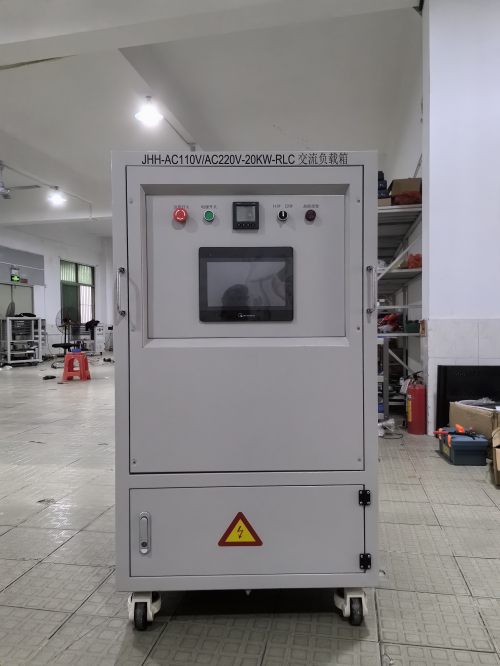
Safety is paramount in load bank design. All certified units must meet IEC 60034-1 standards for motor and generator testing, along with CE, UL, and CCC certifications for compliance in European, North American, and Chinese markets respectively. Key safety features include grounding protection, short-circuit detection, overtemperature shutdowns, emergency stop buttons, and intelligent monitoring via digital displays or remote communication interfaces. Mechanical design also plays a role—portable load banks often feature IP54-rated enclosures, lifting eyes, and forklift pockets to facilitate safe handling during transport.
For accuracy, load banks should be calibrated annually using NIST-traceable instruments, ensuring measurement consistency across multiple tests. Consumables like resistor blocks typically last 5–7 years depending on usage intensity, while fan assemblies may require replacement every 2–3 years due to dust accumulation and thermal stress. A recommended spare parts list includes resistor modules, control boards, and cooling fans to minimize downtime during maintenance.
In one anonymized case study, a 1 MW diesel generator at a hospital was tested using a 100% resistive load bank over 8 hours. The test confirmed stable voltage regulation within ±2%, proper engine cooling, and no unexpected temperature rise—validating readiness for emergency backup operations. Another simulated example involved a 500 kVA wind turbine inverter undergoing RLC load testing to simulate grid connection scenarios. Results showed harmonics within IEEE 519 limits, confirming compliance with utility requirements.
These practices align with best engineering standards, enhance system uptime, reduce maintenance costs, and provide confidence in mission-critical infrastructure. Whether for factory acceptance testing, commissioning, or periodic verification, load bank testing remains an indispensable tool in modern power system validation.









