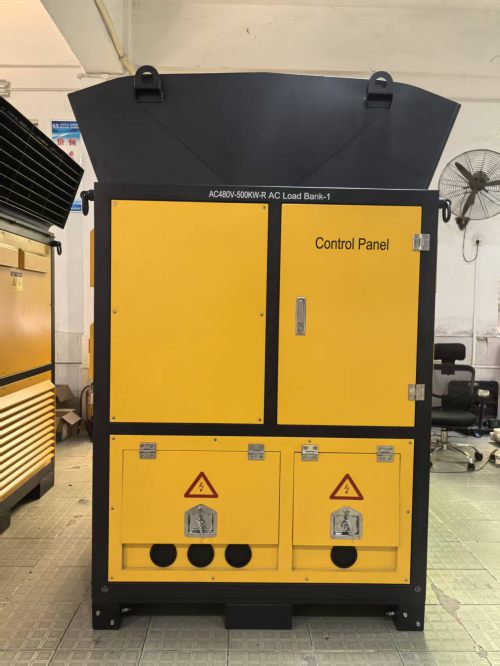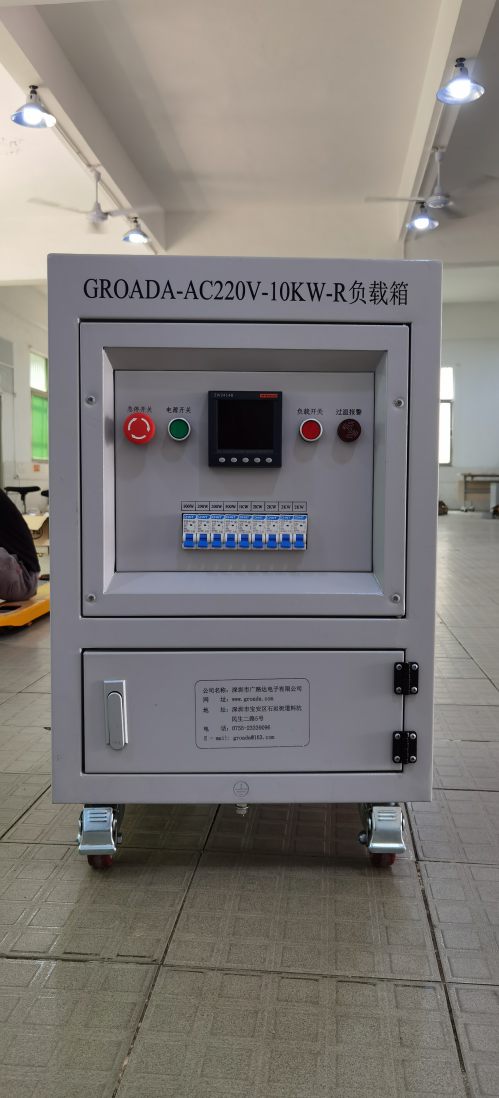
Portable load banks are essential tools for validating generator performance under real-world operating conditions. Used in field testing, factory acceptance tests (FAT), and maintenance checks, these devices simulate electrical loads to ensure generators deliver stable voltage, frequency, and power output. A well-designed portable load bank must combine accuracy, safety, and ease of transport—critical for applications ranging from emergency power systems to renewable energy integration.
Resistive load banks absorb active power by converting it into heat through precision resistor blocks, making them ideal for testing engine cooling, fuel consumption, and basic electrical output. Reactive load banks, on the other hand, introduce inductive or capacitive loads to assess reactive power handling—vital for testing voltage regulation in generators supplying motors or transformers. Combination (RLC) load banks offer both resistive and reactive capabilities, allowing comprehensive evaluation of generator behavior under mixed load conditions, such as those found in data centers or industrial facilities.
Safety is paramount: modern portable units include short-circuit protection, overtemperature sensors, and E-STOP functionality compliant with IEC 60204-1 and UL 508 standards. CE, UL, and CCC certifications confirm adherence to regional electrical safety regulations. Built-in grounding terminals, robust chassis construction (IP54 rating), and lifting eyes or fork pockets enhance portability and operational safety during transit and setup.
Calibration every 12 months using traceable equipment ensures measurement accuracy within ±1%. Key consumables like resistor blocks and cooling fans typically require replacement after 5,000–8,000 hours of operation, depending on environmental conditions. A recommended spare parts list should include fuses, fan modules, and control board components for minimal downtime.
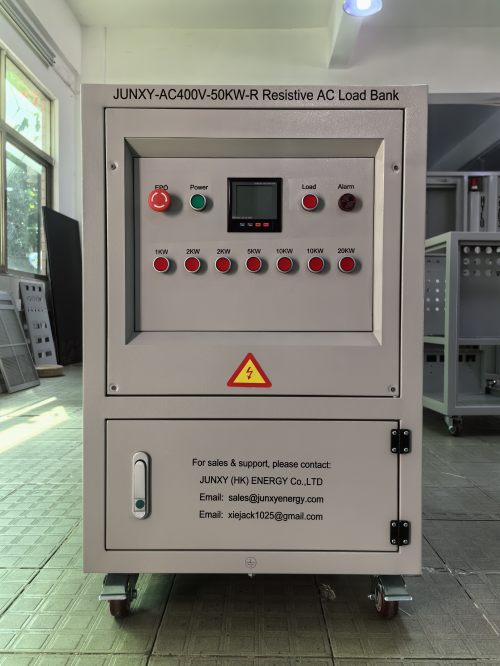
In a simulated example at a wind farm grid connection site, a 500 kW three-phase resistive load bank was used to test a backup diesel generator. The test revealed inconsistent voltage regulation under varying loads—a condition that would have led to blackouts if undetected. Post-adjustment, the generator passed subsequent validation tests, confirming system reliability. This aligns with IEEE Std 1159-2019 recommendations for load testing in distributed generation environments.
For engineers and procurement teams seeking reliable, portable, and certified load bank solutions, these devices provide not only compliance assurance but also critical performance insights across diverse industries.