
Load banks are essential tools used to simulate electrical loads in power systems, enabling comprehensive testing of generators, uninterruptible power supplies (UPS), and renewable energy installations. Unlike real-world loads that vary unpredictably, load banks provide a controlled and measurable environment for performance evaluation. They help verify generator capacity, test voltage regulation, and ensure stability under various load conditions—critical for both factory acceptance tests (FAT) and field validation.
There are three primary types: resistive, reactive, and combination (RLC) load banks. Resistive load banks convert electrical energy into heat using precision resistor blocks and are ideal for testing mechanical and thermal performance. Reactive load banks introduce inductive or capacitive reactance, simulating real-world loads such as motors or transformers. RLC load banks combine both features, offering versatility for complex system validation, especially in microgrids or industrial facilities with mixed loads.
Modern portable load banks often feature digital control systems, remote monitoring via Ethernet or Wi-Fi, and built-in safety protections like overtemperature sensors, short-circuit protection, and emergency stop (E-STOP) functions. These devices typically comply with international standards such as IEC 60034-1 for motor testing and UL/CE certification for electrical safety, ensuring safe operation across diverse environments.
For example, in a simulated case study involving a 500 kVA diesel generator, a resistive load bank was used to apply a 90% load for four hours during FAT. The test confirmed stable voltage output within ±2%, verified cooling system adequacy, and identified a minor fault in the fuel pump timing—a fix that improved reliability before deployment.
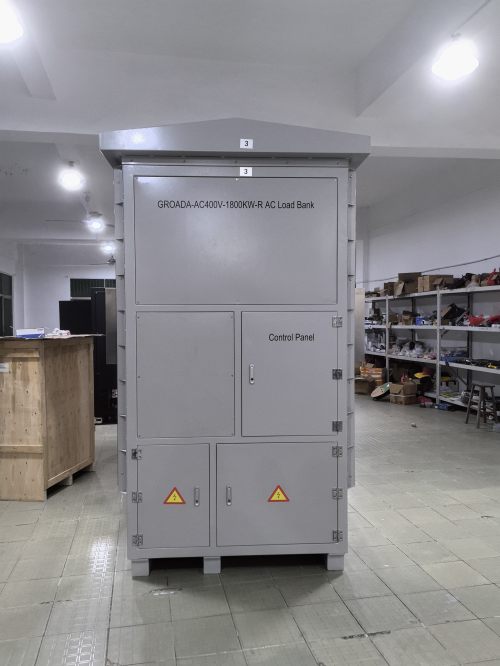
Regular calibration every 12 months and preventive maintenance—such as cleaning fan filters and inspecting resistor blocks—are vital for accuracy and longevity. Spare parts like cooling fans and contactors should be kept on hand, particularly for high-use applications like data centers or backup power systems.
By integrating load bank testing into routine maintenance protocols, engineers can proactively identify weaknesses, reduce downtime risks, and optimize system efficiency—making it an indispensable practice in modern power infrastructure management.









