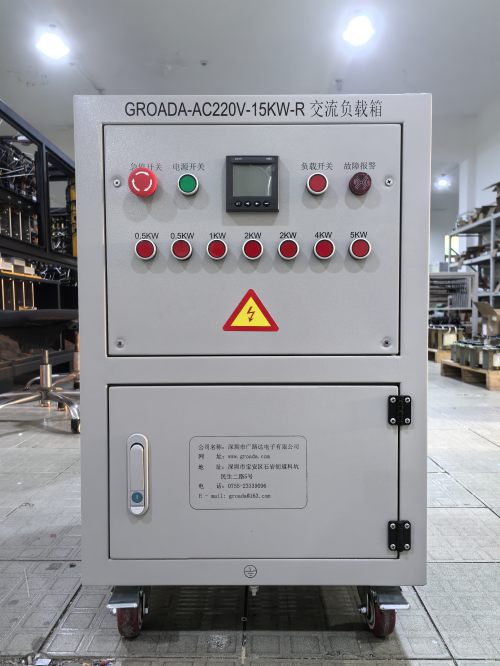
Load banks are essential tools used to simulate real-world electrical loads for testing generators, UPS systems, and other power sources under controlled conditions. They allow engineers to verify performance, efficiency, and reliability before commissioning or during routine maintenance. A resistive load bank dissipates power as heat using precision resistor elements, while a reactive load bank introduces inductive or capacitive reactance to test voltage regulation and power factor response. For comprehensive system validation, combination (RLC) load banks offer both resistive and reactive capabilities in one unit. These systems are commonly deployed in factory acceptance tests (FAT), emergency power system checks, and renewable energy grid integration scenarios such as wind farm synchronization. Modern portable load banks feature rugged enclosures with IP54 ratings, ensuring safe operation in harsh environments. Safety features include overtemperature protection, short-circuit detection, grounding compliance, and emergency stop functions meeting CE, UL, and CCC standards. Calibration is typically performed annually using certified equipment, with resistor blocks and cooling fans requiring periodic replacement based on usage hours. Case studies show that proper load bank testing can identify issues like fuel system inefficiencies or excitation problems in diesel generators, leading to improved uptime and reduced failure risks. By adhering to IEC 60034-1 and IEEE 1159 standards, manufacturers ensure load banks deliver accurate, repeatable results across global markets. This structured approach to power testing enhances confidence in critical infrastructure from data centers to remote industrial sites.