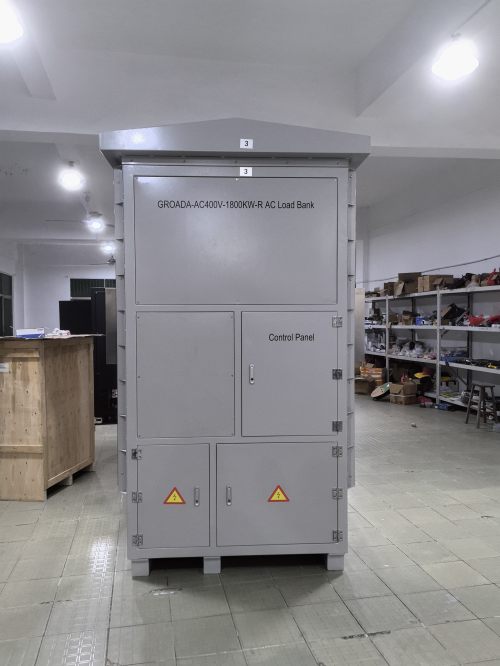
Resistive load banks are essential tools in validating the performance and reliability of electrical power systems, particularly generators used in critical infrastructure such as hospitals, data centers, and industrial facilities. These load banks simulate real-world resistive loads—like lighting, heating, and motor-driven equipment—to test generator output under controlled conditions. By applying a known resistive load, engineers can verify that a generator meets its rated capacity, maintains stable voltage and frequency, and responds appropriately to varying load demands.
The design of a resistive load bank typically involves an array of precision resistors connected in parallel or series configurations. When energized, these resistors convert electrical energy into heat, allowing for safe and measurable dissipation of power. Unlike reactive or capacitive load banks, which model inductive or capacitive loads (e.g., motors or capacitor banks), resistive load banks provide a straightforward method to evaluate generator thermal and mechanical performance. According to IEC 60034-1, which outlines requirements for rotating electrical machines including generators, proper load testing ensures compliance with insulation class ratings and temperature rise limits during extended operation.
For portable applications, modern resistive load banks often feature robust IP54-rated enclosures, integrated cooling fans, and lifting points for ease of transport. They support single-phase or three-phase configurations, enabling flexibility across diverse testing scenarios—from factory acceptance tests (FATs) to on-site commissioning. In one simulated example, a 500 kVA diesel generator was tested using a 400 kW resistive load bank over a 2-hour period at 80% load. Results confirmed stable voltage regulation within ±2%, no overheating of components, and consistent fuel consumption patterns—validating the unit’s readiness for critical service.
Safety features such as E-STOP buttons, short-circuit protection, and automatic shutdown at high temperatures ensure safe operation even under extreme conditions. Regular calibration every 12 months, per manufacturer guidelines, is recommended to maintain accuracy. Replacement parts like resistor grids and fans should be kept on hand for maintenance intervals. Compliance with CE, UL, and CCC standards further reinforces their suitability for global deployment.
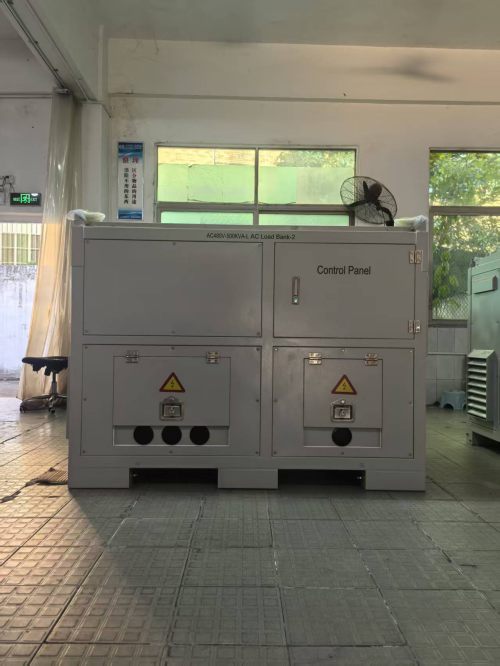
In summary, resistive load bank testing provides a reliable, repeatable, and standardized approach to assessing generator health before it enters service—reducing downtime risks and improving operational confidence in mission-critical environments.