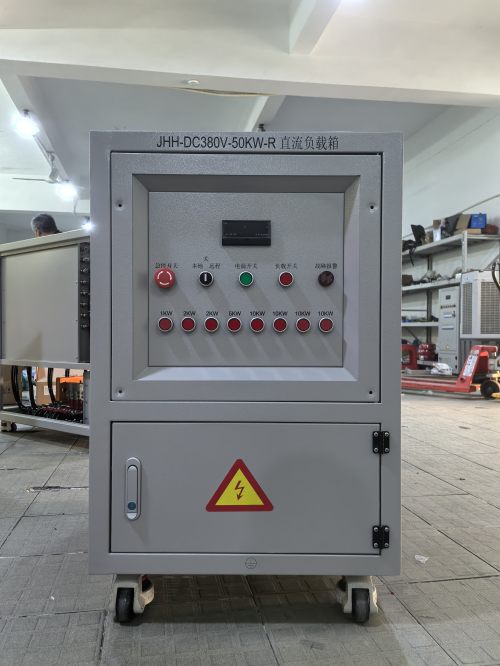
Selecting the appropriate load bank is critical for ensuring reliable performance during generator testing, power system validation, and preventive maintenance. Whether you're conducting factory acceptance tests (FAT), commissioning a new power generation unit, or validating backup systems in data centers, a properly configured load bank simulates real-world electrical loads—allowing engineers to verify voltage regulation, frequency stability, fuel efficiency, and thermal behavior under controlled conditions.
Resistive load banks are the most common type, using high-power resistors to convert electrical energy into heat, making them ideal for testing generators’ mechanical and thermal capabilities. Reactive load banks, on the other hand, introduce inductive or capacitive reactance, enabling tests of power factor correction, reactive power handling, and excitation system response. For comprehensive analysis, combined RLC load banks provide simultaneous resistive, inductive, and capacitive loading—essential for modern three-phase systems such as microgrids, wind farms, and industrial plants.
Safety and compliance are paramount. Modern load banks must meet IEC 60034-1 (for motor and generator testing) and IEEE Std 115 (for generator performance evaluation), with built-in protections like over-temperature sensors, short-circuit detection, emergency stop buttons, and grounding continuity checks. CE, UL, and CCC certifications ensure compliance with regional safety standards. Portability features—including IP54-rated enclosures, lifting lugs, and fork truck access—facilitate field deployment across diverse environments from remote sites to indoor workshops.
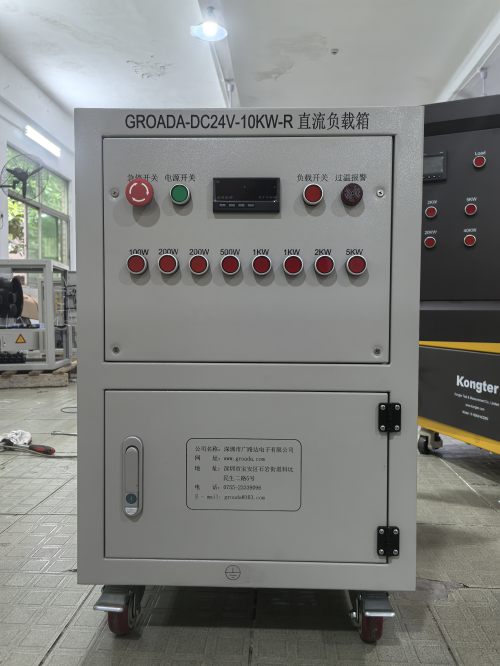
Maintenance protocols include annual calibration against NIST-traceable standards, replacement of cooling fans every 2–3 years, and resistor element inspection based on temperature rise measurements. A typical case study from an anonymous renewable energy project demonstrated that a 150 kW three-phase resistive load bank enabled successful grid synchronization testing for a 2 MW solar farm, revealing a 5% voltage drop at full load due to inadequate transformer tap settings—a finding later corrected before commercial operation.
For optimal results, always match the load bank’s rated capacity, phase configuration, and control method (manual, remote, or automated via PLC) to your specific application needs.