
Resistive load banks are essential tools in the testing and validation of electrical power generation systems, particularly for diesel and natural gas generators used in industrial, commercial, and critical infrastructure applications. These devices simulate real-world electrical loads by converting electrical energy into heat through resistive elements—typically wire-wound or ceramic resistors—allowing engineers to assess generator performance under controlled conditions. Unlike reactive or capacitive loads that introduce phase shifts between voltage and current, resistive load banks maintain a unity power factor (PF = 1), making them ideal for evaluating basic output capacity, thermal behavior, and mechanical stability of prime movers such as engines and turbines.
The fundamental principle behind resistive load bank operation lies in Ohm’s Law (V = IR) and Joule heating (P = I²R). When connected to a generator, the load bank draws current proportional to its resistance setting, generating heat that must be dissipated safely via forced air cooling (fan-assisted) or liquid cooling (in high-capacity models). This process allows for accurate measurement of key parameters including voltage regulation, frequency stability, fuel consumption, emissions, and harmonic distortion—all vital for ensuring reliable power delivery during actual grid or standalone operation. According to IEEE Std 1159-2019, proper load testing ensures compliance with power quality standards and helps identify potential issues before they lead to system failure.
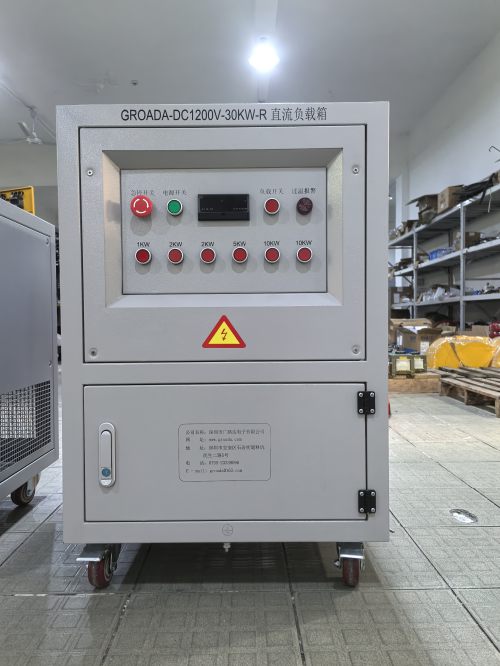
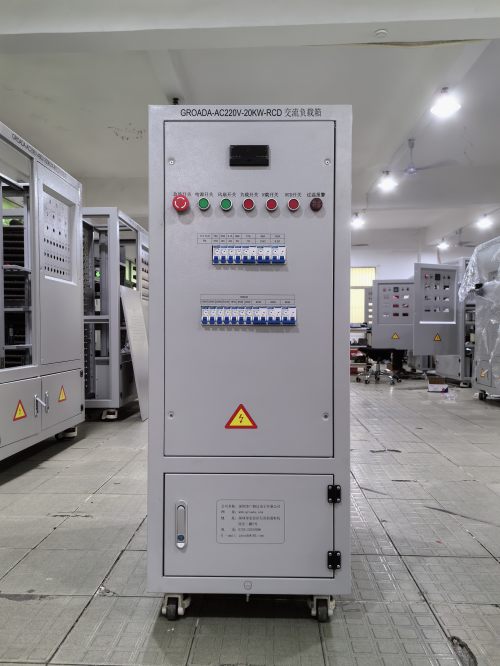
Load banks come in various configurations: single-phase, three-phase, portable, fixed-mount, and active (with regeneration capabilities). For most generator acceptance tests, especially those mandated by IEC 60348 or ISO 8528-5, a three-phase resistive load bank is preferred due to its ability to evenly distribute load across all phases and mimic balanced industrial loads. The typical range for modern resistive load banks spans from 10 kW up to 2 MW per phase, depending on the size of the generator being tested. Portable units often feature integrated handles, casters, and ruggedized enclosures (IP54 or higher), enabling easy deployment at remote sites such as construction zones, hospitals, or data centers requiring mobile testing solutions.
Safety is paramount when operating any load bank. Modern units incorporate multiple protection mechanisms including ground fault detection, short-circuit protection, over-temperature sensors, and emergency stop (E-STOP) buttons compliant with CE, UL, and CCC certifications. Thermal runaway protection prevents damage to resistor elements by automatically reducing load if internal temperatures exceed safe thresholds—a common issue in prolonged testing sessions. Furthermore, grounding must be verified using a multimeter before each test to ensure no hazardous potential differences exist between the load bank and generator.
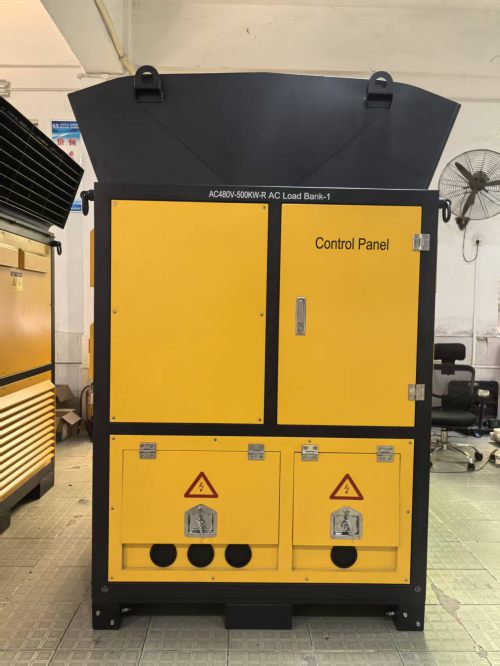
Calibration is another crucial aspect of maintaining accuracy. As per IEC 61010-1, load banks should undergo calibration annually or after major repairs, using traceable reference instruments like precision digital multimeters (DMMs) and calibrated current clamps. Calibration procedures typically involve measuring voltage drop across known resistances at varying current levels and adjusting readings accordingly. Consumable components such as resistors and fans have estimated lifespans—resistors may last 5–10 years depending on usage intensity, while fan motors usually require replacement every 3–5 years under heavy-duty use.
In practice, resistive load banks serve several key functions:
- Factory Acceptance Testing (FAT): Ensuring new generators meet manufacturer specifications prior to delivery.
- Preventive Maintenance: Verifying continued performance after routine servicing.
- Commissioning: Validating readiness for operational use in critical facilities.
- Grid Integration Testing: Assessing synchronization capability with utility grids or microgrids.
A simulated example from an industrial facility illustrates this application: A 1.2 MW diesel generator was tested using a 1.5 MW three-phase resistive load bank over a 4-hour duration. Parameters monitored included output voltage (±2% tolerance), frequency deviation (<0.5 Hz), and exhaust temperature rise (<50°C above ambient). Results showed consistent performance within acceptable limits, confirming the unit's readiness for continuous duty. However, one phase exhibited slightly higher harmonic distortion (>5%) than expected, prompting further inspection of the excitation system—an area for improvement highlighted post-test.
For optimal results, best practices include:
- Pre-testing equipment checks (e.g., fuel level, coolant, oil pressure)
- Gradual load ramp-up (avoiding sudden spikes)
- Continuous monitoring of thermal indicators
- Proper ventilation during extended tests
- Documentation of all measurements for future reference
These principles apply not only to traditional generator testing but also to emerging applications such as hybrid renewable energy systems where battery storage and inverters must be validated against realistic load profiles. By providing repeatable, measurable stress conditions, resistive load banks remain indispensable for engineers seeking to build robust, resilient power systems capable of withstanding real-world challenges.
References:
1. IEEE Standard 1159-2019 – Recommended Practice for Monitoring Electric Power Quality (IEEE, 2019)
2. IEC 60348 – Rotating machinery – Electrical tests (IEC, 2017)
3. IEC 61010-1 – Safety requirements for electrical equipment for measurement, control, and laboratory use (IEC, 2019)