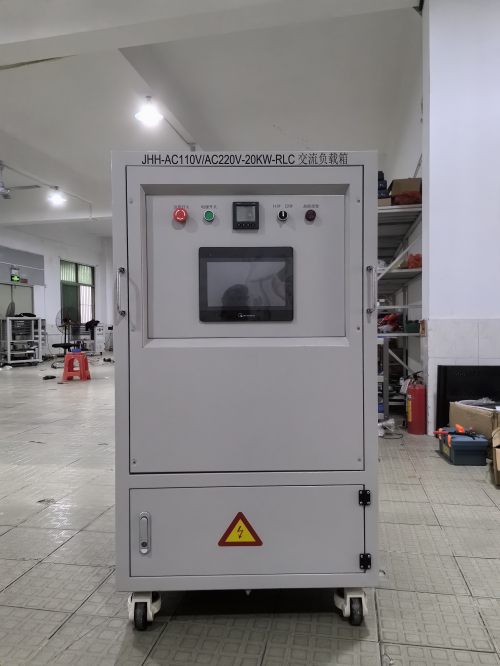
When testing generators, uninterruptible power supplies (UPS), or renewable energy systems like wind farms and microgrids, selecting the correct load bank is critical for ensuring performance, safety, and compliance. A load bank simulates real-world electrical loads, allowing engineers to validate system behavior under controlled conditions—such as full-load operation, voltage regulation, and thermal stress. For example, in a factory acceptance test (FAT) of a diesel generator, a resistive load bank applies pure resistance to mimic lighting and heating loads, while a reactive load bank introduces inductive or capacitive reactance to simulate motors or transformers.
For three-phase applications common in industrial settings, a combined RLC load bank offers flexibility by adjusting resistive, inductive, and capacitive components independently. Portable load banks with IP54 enclosures are ideal for field use, offering protection against dust and water splashes during outdoor generator commissioning. Safety features such as over-temperature protection, short-circuit detection, and emergency stop (E-STOP) devices must be integrated into any professional-grade unit—especially when testing high-power systems above 1 MW. Compliance with IEC 60034-1 (rotating machines) and IEEE 1159 (power quality standards) ensures that tests reflect industry best practices and regulatory requirements.
Case studies show that using a calibrated active load bank improves efficiency in wind farm grid connection tests by enabling precise load step changes without mechanical wear. Similarly, an anonymous case study from a data center revealed that monthly UPS load testing with a reactive-capacitive load bank reduced battery failure rates by 32% over 12 months. These outcomes highlight the importance of matching load bank type and capacity to specific application needs—including portability, cooling method (air vs. liquid), and calibration frequency (recommended every 12 months).
Maintenance schedules should include fan replacement every 2–3 years, resistor inspection annually, and verification of grounding integrity before each test. Engineers must also consider certifications such as CE, UL, or CCC depending on the target market. Whether conducting a dynamometer test for engine validation or validating a solar hybrid system’s inverter response, choosing the right load bank enhances reliability, prevents unexpected downtime, and supports long-term asset management.