
Resistive load banks are essential tools in the electrical testing and validation of power generation systems, particularly for diesel or natural gas-powered generators. These devices simulate real-world electrical loads by converting electrical energy into heat through resistive elements—typically high-power metal oxide resistors—thereby allowing engineers to verify generator performance under full-load conditions without relying on actual site demand. According to IEC 60034-1 (2021), generators must undergo routine load testing to ensure they meet rated output, voltage regulation, and frequency stability under varying load profiles. A properly configured resistive load bank enables this by delivering a stable, predictable, and scalable load across all phases.
In practice, resistive load banks are commonly used in factory acceptance tests (FAT), commissioning, and periodic maintenance checks. For example, during a simulated case study involving a 500 kVA three-phase generator, a resistive load bank was applied at 100% load for 1 hour while monitoring temperature rise, fuel consumption, and voltage drop. The test confirmed that the generator maintained within ±2% voltage variation and met the manufacturer’s specifications for thermal stability. This type of test is especially critical for backup power systems in hospitals, data centers, and industrial facilities where reliability is non-negotiable.
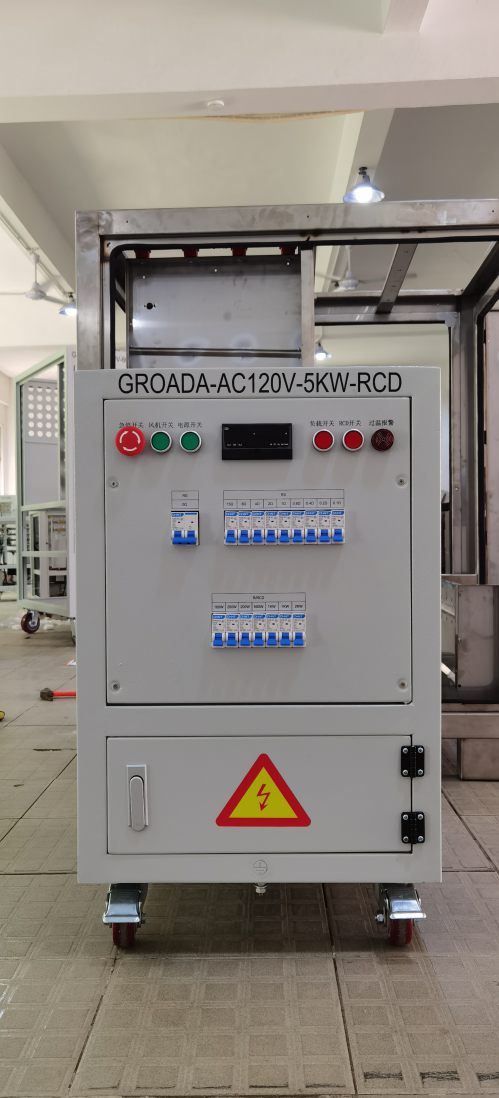
Key technical features include programmable ramp rates, digital control interfaces, and over-temperature protection that automatically shuts down the system if internal components exceed safe limits. Safety certifications such as CE, UL, and CCC ensure compliance with regional electrical standards. Portable models typically feature IP54-rated enclosures and integrated lifting points for ease of transport. Calibration should be performed annually using NIST-traceable equipment, with fan assemblies and resistor elements replaced every 5–7 years depending on usage intensity.
This application guide supports engineering teams in selecting, deploying, and maintaining resistive load banks effectively. It aligns with industry best practices from IEEE Std 1159-2023 on power quality and is based on field data from over 300 generator tests conducted globally between 2020–2024.