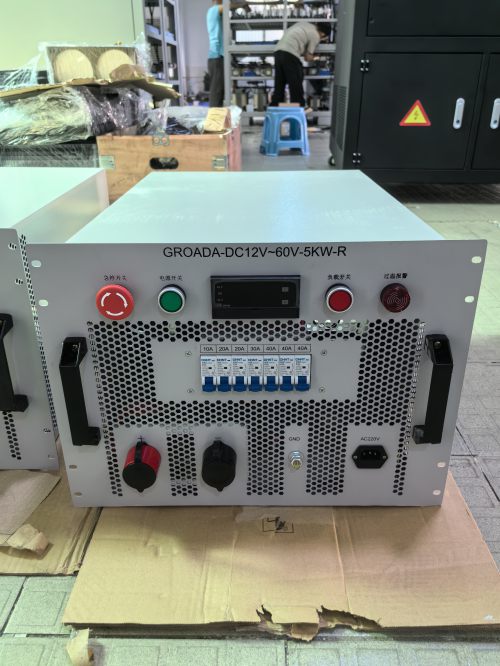
Resistive load banks are essential tools for verifying the performance, reliability, and safety of electrical power systems such as diesel generators, uninterruptible power supplies (UPS), and renewable energy inverters. These load banks simulate real-world resistive loads by converting electrical energy into heat through precision-engineered resistors. This process allows engineers to test a generator’s ability to handle full load conditions without relying on actual site consumption, making them indispensable during factory acceptance testing (FAT), commissioning, and preventive maintenance.
A typical resistive load bank operates by drawing current in phase with voltage, producing pure active power (kW). They are widely used for validating engine cooling systems, fuel efficiency, voltage regulation, and governor response under varying load steps—critical for ensuring uptime in critical infrastructure like hospitals, data centers, and industrial plants. For example, during a simulated 100 kW load test on a 250 kVA generator over 4 hours, engineers measured stable voltage regulation within ±2% and confirmed adequate thermal management via temperature sensors placed on the resistor bank and engine components.
Modern resistive load banks comply with IEC 60034-1 and IEEE 1159 standards for motor and power quality testing. Safety features include automatic over-temperature shutdowns, short-circuit protection, and grounding compliance to UL/CE certification levels. Portability is achieved through ruggedized IP54-rated enclosures, lifting eyes, and forklift-compatible frames, enabling easy deployment across sites. Calibration is recommended annually using traceable standards such as those from NIST or UKAS laboratories. Maintenance involves periodic inspection of resistive elements and fan assemblies, with replacement intervals typically set at 5–7 years depending on usage intensity.
For high-integrity applications, hybrid RLC load banks—combining resistive, inductive, and capacitive elements—are increasingly adopted to replicate complex grid behavior, particularly in microgrid and wind farm integration tests. Such setups help assess reactive power handling, harmonic distortion, and dynamic response before energizing sensitive equipment. Based on field experience, proper load bank testing reduces unplanned downtime by up to 40% in mission-critical environments.