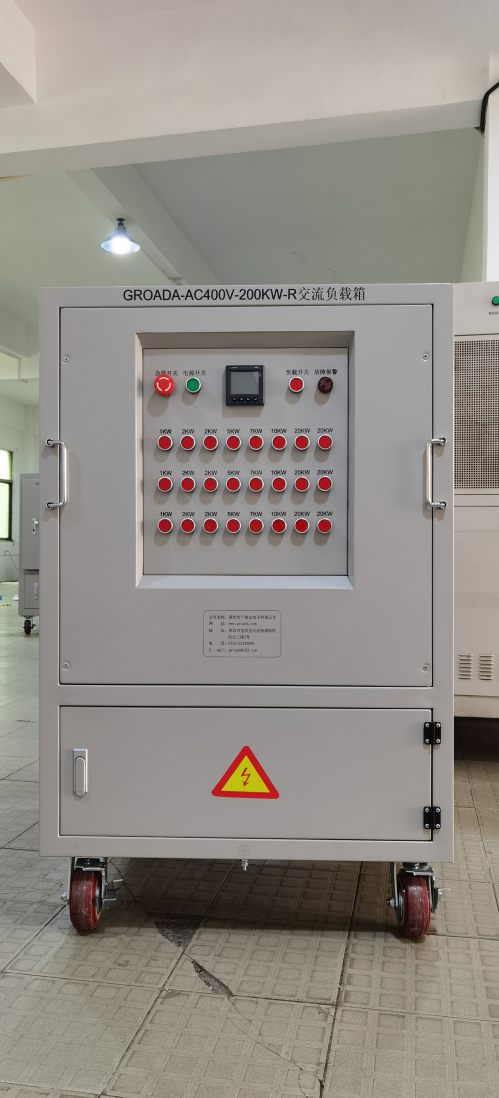
Testing the performance and reliability of generators and uninterruptible power supply (UPS) systems is critical in industrial, commercial, and utility environments. A resistive load bank is a specialized tool used to simulate real-world electrical loads by converting electrical energy into heat through resistive elements. This method allows engineers to verify that power generation equipment can handle full-load conditions without overheating or failing—ensuring system readiness during actual outages or grid disturbances.
One of the primary applications of resistive load banks is factory acceptance testing (FAT) for new generators. During FAT, a resistive load bank applies 100% of the rated load to the generator over a defined period—typically 30 to 60 minutes—to validate mechanical stability, voltage regulation, and fuel efficiency. According to IEC 60034-1, which outlines performance requirements for rotating electrical machines, such tests must be conducted under controlled thermal conditions to ensure safe operation across all load levels.
In data centers, where uptime is mission-critical, resistive load banks are essential for periodic UPS validation. For example, an anonymous case study from a Tier III facility showed that a 500 kW resistive load test confirmed the UPS could sustain its rated load for 20 minutes without battery depletion or output instability. This kind of proactive testing prevents unexpected failures during blackouts and ensures compliance with NFPA 70 (National Electrical Code), which mandates routine load testing of backup power systems.
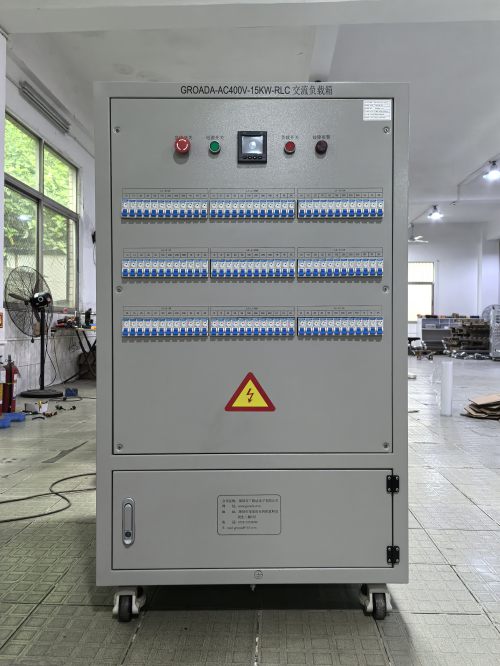
Portable resistive load banks are especially useful for field testing due to their modular design and rugged construction. These units often feature IP54 protection ratings, built-in cooling fans, and lifting rings for safe handling. They comply with CE/UL/CCC standards for electrical safety and are typically calibrated annually using certified reference instruments such as digital multimeters and precision thermocouples.
Maintenance includes inspecting resistor elements for oxidation, cleaning airflow paths, and verifying grounding integrity. Replacement intervals for high-duty-cycle resistors range from 3 to 5 years depending on usage frequency. Key spare parts include fan assemblies, contactors, and temperature sensors—items commonly recommended in manufacturer service manuals.
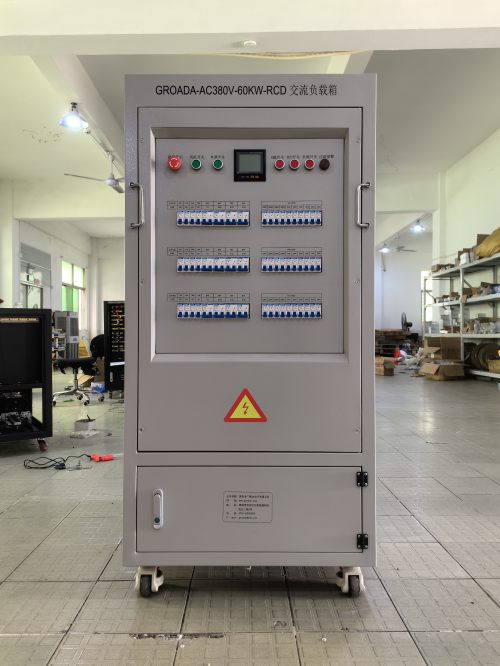
For optimal results, load banks should be connected via three-phase configurations when testing three-phase generators or UPS systems. Resistive-only load banks provide pure resistive loading (power factor = 1.0), making them ideal for basic functional checks, while combined RLC load banks allow simulation of complex power factors found in real-world loads.
In summary, resistive load bank testing remains one of the most reliable methods to assess generator and UPS performance before commissioning or during maintenance cycles. It supports operational readiness, regulatory compliance, and long-term asset management.