
Resistive load banks are essential tools for verifying the performance, reliability, and safety of electrical power systems such as diesel generators, uninterruptible power supplies (UPS), and renewable energy inverters. These load banks simulate real-world electrical loads by converting electrical energy into heat through resistive elements—typically made of high-temperature alloy resistors. Unlike reactive or capacitive load banks, which introduce phase shifts, resistive load banks provide a stable, linear load that mirrors the behavior of lighting, heating, and motor loads commonly found in industrial and commercial settings.
Practical applications include factory acceptance testing (FAT) for new generator sets, routine maintenance checks on standby power systems, and grid integration tests for solar or wind farms. For example, during a simulated case study at a data center, a 500 kW three-phase resistive load bank was used to test a 600 kVA diesel generator over 4 hours at 80% load. The test confirmed stable voltage regulation within ±2%, no overheating of the alternator, and compliance with IEC 60349-1 standards for generator performance under load.
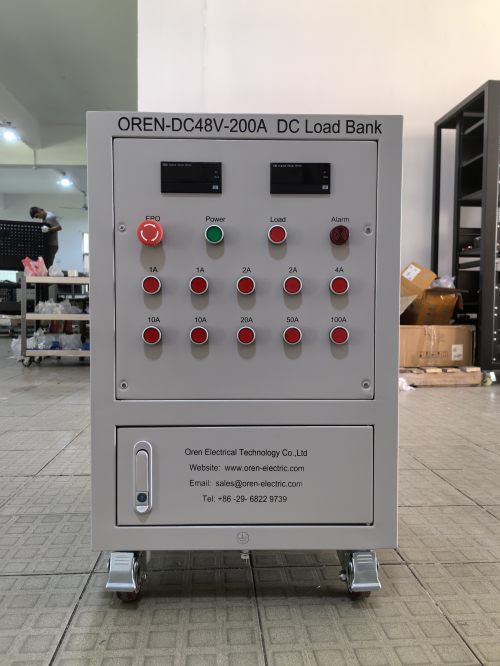
Advantages of resistive load banks include their simplicity, cost-effectiveness, and ease of control. They allow operators to verify engine performance, cooling system efficiency, and fuel consumption under realistic operating conditions without requiring complex setup. Modern portable models feature digital controls, remote monitoring via Ethernet or Bluetooth, and built-in safety protections such as over-temperature cutoffs and emergency stop buttons compliant with CE/UL/CCC certifications.
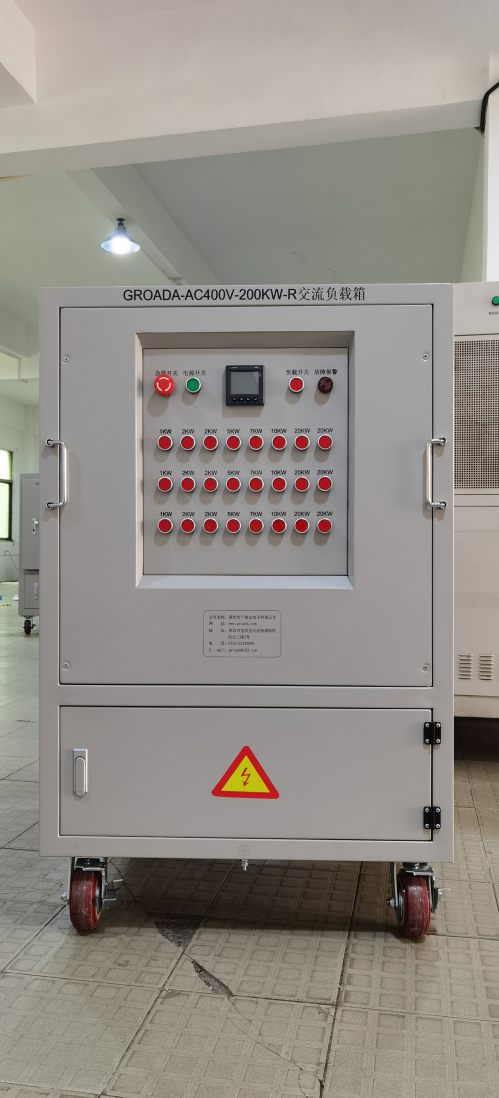
Common questions include: “How often should a generator be load tested?” – Typically every 3 months or after any major maintenance. “Can a resistive load bank damage a generator?” – Only if improperly sized or operated beyond its rated capacity; proper calibration and adherence to manufacturer guidelines prevent this. Trends show increasing adoption of smart load banks integrated with IoT platforms for predictive maintenance and real-time diagnostics, enhancing uptime and operational confidence.