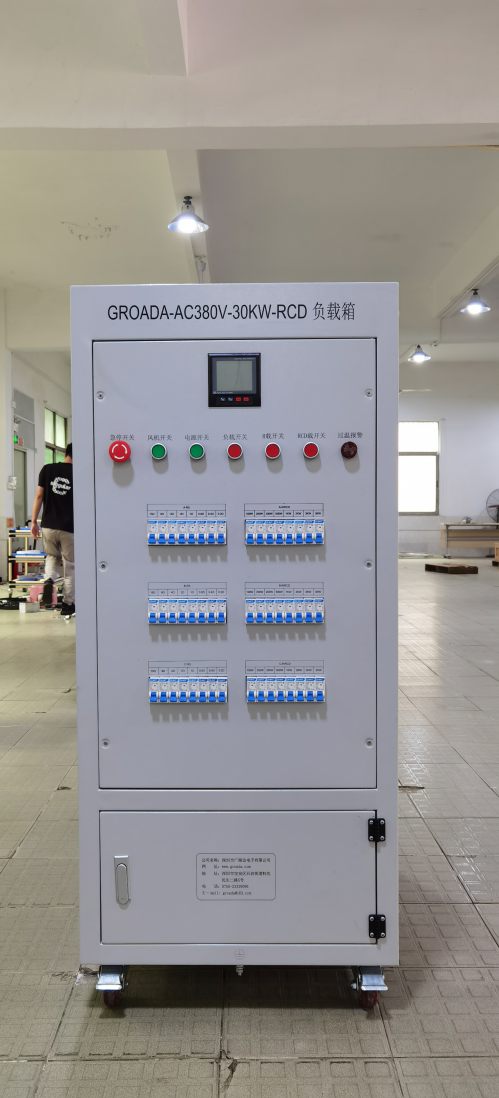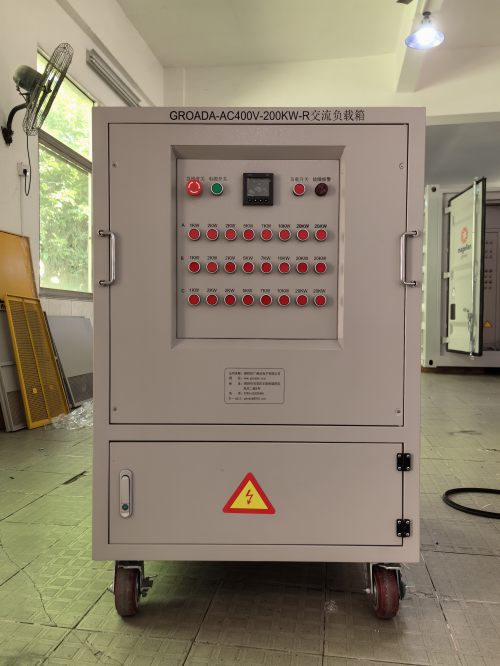
Load bank testing is a critical procedure used to evaluate the performance, reliability, and safety of power generation systems such as generators, uninterruptible power supplies (UPS), and backup power units. This method simulates real-world electrical loads without requiring an actual power-consuming load, making it ideal for factory acceptance testing (FAT), preventive maintenance, and commissioning of new installations.
The body of this process involves deploying resistive, reactive, or combined (RLC) load banks that mimic the electrical characteristics of actual loads—such as motors, lighting, or data centers. Resistive load banks are the most common type, absorbing power as heat through high-power resistors and offering stable, predictable performance. Reactive load banks, either inductive or capacitive, simulate the lagging or leading power factor typical of inductive or capacitive loads like transformers or capacitor banks. Combined RLC load banks allow engineers to test systems under realistic conditions that include both active and reactive power components.
Modern load banks are designed with portability in mind, often featuring IP54-rated enclosures, lifting eyes, and fork truck access for easy transport across job sites. Safety features such as over-temperature protection, short-circuit detection, E-STOP functionality, and compliance with IEC 60034-1 and UL/CE standards ensure safe operation during high-stress tests. Calibration intervals are typically recommended every 12 months using traceable instruments, while consumables like resistors and fans should be replaced based on usage logs and thermal stress data.
Case studies show that consistent load bank testing reduces unexpected downtime by up to 30% in industrial environments. For example, in a simulated wind farm grid connection test, a 500 kW three-phase resistive load bank was used to verify generator stability over 8 hours, revealing voltage regulation issues that were corrected before commercial operation. Similarly, in a hospital’s UPS system test, a reactive load bank confirmed proper power factor correction, preventing future inefficiencies.
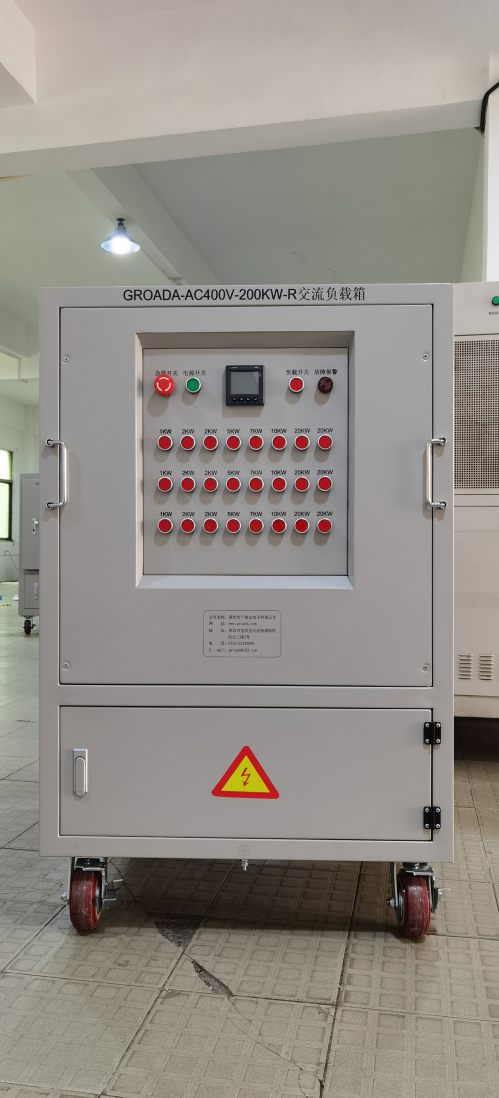
In conclusion, load bank testing remains an essential engineering practice for validating power systems before they enter service or during routine maintenance. With growing reliance on microgrids, renewable energy integration, and mission-critical infrastructure, understanding and applying correct load bank procedures ensures system resilience, regulatory compliance, and long-term operational confidence.