
When testing generators, uninterruptible power supplies (UPS), or microgrids, selecting the appropriate load bank is critical to ensuring reliability, safety, and compliance with international standards. A load bank simulates real-world electrical loads, allowing engineers to validate system performance under controlled conditions before actual deployment. This guide outlines how to choose a suitable load bank—whether resistive, reactive, capacitive, or combined RLC type—based on application needs, technical specifications, and operational safety.
Resistive load banks are the most common and simulate pure resistive loads like lighting or heating systems. They are ideal for basic generator testing, including no-load startup, voltage regulation, and cooling verification. Reactive load banks, which include inductive or capacitive components, simulate motors, transformers, or capacitor banks, making them essential for testing power factor correction and reactive power handling. Combined RLC load banks offer flexibility by enabling simultaneous testing of both active and reactive power, often used in industrial power quality assessments and grid integration scenarios.
Key selection criteria include rated power (kW/kVA), phase configuration (single-phase or three-phase), portability (for mobile testing), and environmental protection (IP rating for dust/water resistance). Safety features such as over-temperature shutdown, short-circuit protection, and emergency stop (E-STOP) mechanisms must comply with IEC 60034-1 and IEEE 1159 standards. For field use, a rugged chassis with lifting points and fork lift compatibility ensures safe transport.
Calibration is crucial—load banks should be recalibrated annually using traceable equipment to maintain accuracy within ±1% tolerance. Maintenance includes regular fan cleaning, resistor inspection, and replacement of worn components every 3–5 years based on usage intensity. Recommended spare parts include fusible links, temperature sensors, and control modules.
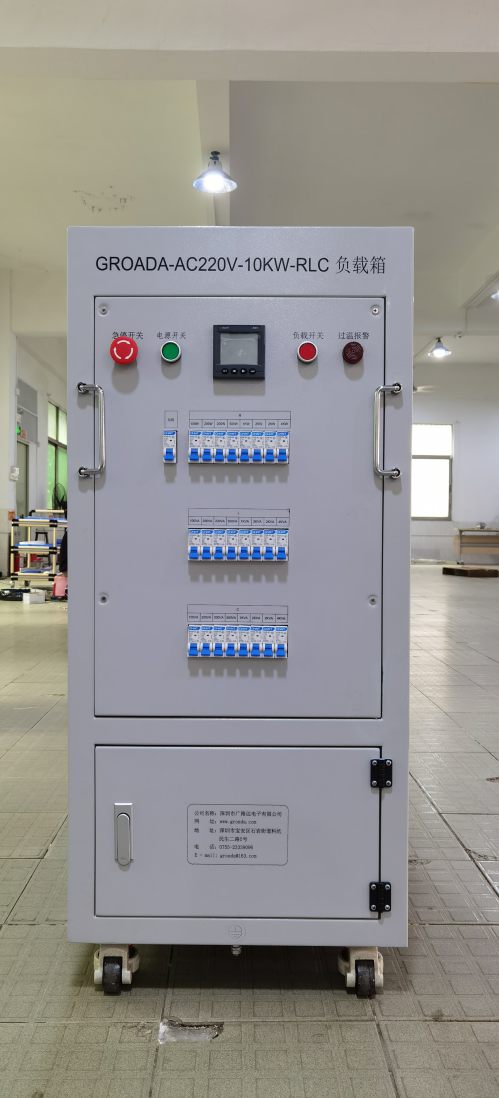
A simulated case study from a renewable energy project in Germany demonstrated that using an RLC load bank enabled a 40% reduction in commissioning time for a wind farm’s grid connection test, compared to traditional resistive-only methods. Similarly, an anonymous case study from a data center in Singapore showed improved UPS reliability after implementing periodic reactive load testing, identifying hidden issues in power factor correction circuits.
In conclusion, choosing the right load bank requires balancing technical capability, safety compliance, and practical usability. Whether conducting factory acceptance tests or validating backup power systems, a well-selected load bank enhances confidence in system performance and long-term stability.