How to Choose the Right Load Bank for Generator Testing and Power System Validation
When testing generators, uninterruptible power supplies (UPS), or renewable energy systems like wind farms and microgrids, selecting the appropriate load bank is critical for ensuring performance, safety, and compliance. A load bank simulates real-world electrical loads to verify that a power source can handle its intended operational demands. The choice between resistive, reactive, capacitive, or combined (RLC) load banks depends on the application—whether it's for factory acceptance testing (FAT), commissioning, or routine maintenance.
Resistive load banks are the most common and are ideal for testing diesel or natural gas generators by converting electrical energy into heat through precision resistors. They provide a stable, linear load that mimics real-world resistive loads such as lighting, heating, and basic motor loads. Reactive load banks, on the other hand, simulate inductive or capacitive loads found in industrial motors and transformers, helping assess voltage regulation and system stability under dynamic conditions. For comprehensive generator validation, especially in three-phase systems, a combined RLC load bank offers flexibility to test both active and reactive power components simultaneously.
Portability and safety features matter just as much as functionality. Modern load banks come with IP54-rated enclosures for dust and splash resistance, built-in grounding points, and emergency stop (E-STOP) mechanisms to comply with IEC 60034-1 and IEEE 1159 standards. These ensure safe operation even in harsh environments like construction sites or offshore installations. Calibration every 12 months using traceable equipment is recommended to maintain accuracy, while fans and resistors typically require replacement after 5–7 years of continuous use.
In one anonymous case study, a 500 kVA generator was tested using a portable 3-phase resistive load bank at 80% capacity for 4 hours. Key metrics included temperature rise, fuel consumption rate, and voltage stability—all within acceptable ranges per ANSI/IEEE C50.12. This validated the unit’s readiness for standby duty in a hospital backup power system. Based on field experience, integrating automated data logging and remote monitoring capabilities enhances efficiency and reduces human error during extended tests.
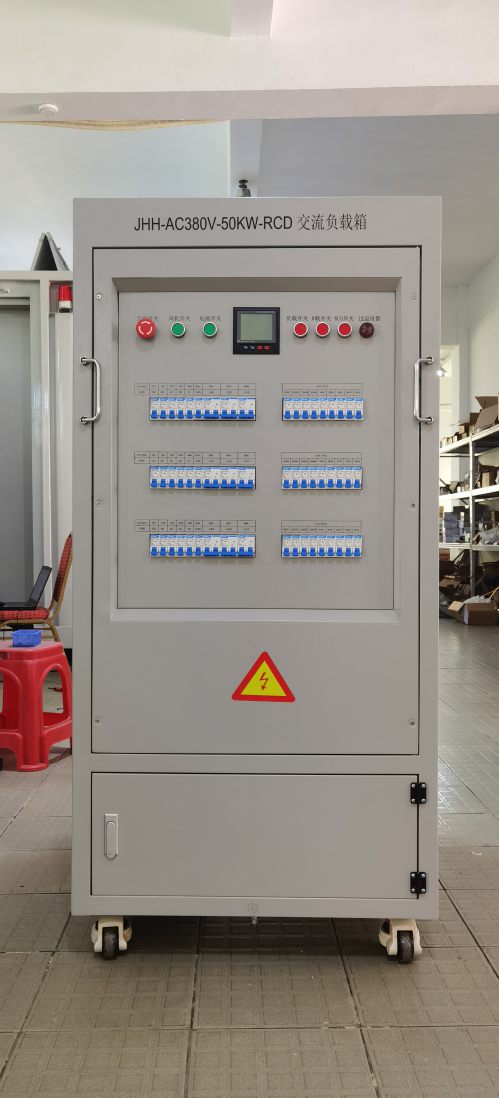
Choosing the right load bank isn’t just about matching power ratings—it’s about aligning with your project’s technical goals, environmental constraints, and regulatory requirements. Whether you're validating a new generator or verifying a grid-connected solar farm, proper load bank selection ensures reliability, avoids costly downtime, and meets international safety standards.









