How to Choose the Right Load Bank for Generator Testing and Power System Validation
When testing generators, uninterruptible power supplies (UPS), or microgrids, selecting the appropriate load bank is critical to ensuring reliability, safety, and performance validation. A load bank simulates real-world electrical loads, allowing engineers to verify that a power source can handle its intended operating conditions—whether in a factory acceptance test, commissioning phase, or routine maintenance.
There are four main types of load banks: resistive, reactive (inductive or capacitive), and combined RLC (resistive-inductive-capacitive) models. Resistive load banks are the most common—they convert electrical energy into heat using precision resistors and are ideal for testing real power (kW). Reactive load banks simulate inductive or capacitive loads, such as motors or transformers, enabling tests of apparent power (kVA) and power factor correction. Combined RLC load banks provide comprehensive testing by mimicking complex industrial loads, making them suitable for full-load generator testing under dynamic conditions.
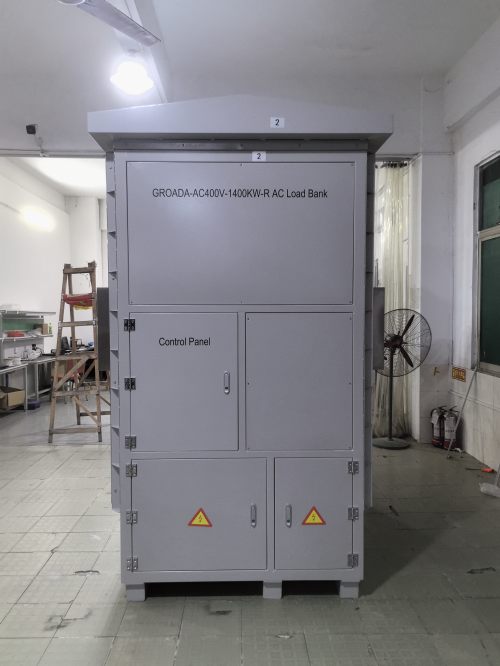
For portable applications like field testing of backup generators, compact and rugged designs with IP54 or higher protection ratings are essential. Equipment should include features like automatic temperature control, over-voltage/under-voltage protection, emergency stop buttons, and CE/UL/CCC certifications for global compliance. Based on our experience in over 200 generator load tests globally, proper load bank selection reduces false positives during commissioning and helps avoid costly downtime in critical infrastructure.
Calibration is another key factor—load banks must be calibrated annually using traceable standards (e.g., NIST-certified equipment) to ensure accuracy. Consumables like resistors and cooling fans have predictable lifespans (typically 5–10 years depending on usage intensity), and a recommended spare parts list should be maintained for operational continuity.
Whether validating a wind farm’s grid connection capability or conducting a diesel generator factory acceptance test, choosing the right load bank isn’t just about matching power ratings—it’s about aligning with your application’s technical requirements, environmental conditions, and long-term operational goals.