
Resistive load banks are essential tools in validating the performance and reliability of electrical power systems, particularly generators used in critical infrastructure such as hospitals, data centers, and industrial facilities. These load banks simulate real-world resistive loads—like lighting, heating, and motor-driven equipment—to test generator output under controlled conditions. Unlike reactive or capacitive loads, resistive load banks draw current in phase with voltage, making them ideal for assessing a generator’s ability to deliver consistent power at full load without harmonic distortion.
The testing process involves gradually increasing the load until the generator reaches its rated capacity, typically 100% of nameplate output. During this procedure, engineers monitor parameters such as voltage stability, frequency regulation, fuel consumption, and temperature rise across components like the alternator, cooling system, and engine. Based on IEC 60034-1 standards, which govern the performance characteristics of rotating electrical machines, generators must maintain voltage within ±5% and frequency within ±0.5 Hz of nominal values during full-load tests. This ensures compliance with international safety and operational benchmarks.
A simulated case study from a diesel generator manufacturer showed that using a resistive load bank during factory acceptance testing (FAT) revealed an unexpected voltage sag at 90% load due to poor excitation system response. Correcting the regulator settings before shipment prevented field failures. Similarly, in a microgrid integration project for a wind farm, resistive load testing confirmed the generator's ability to support base-load demand during grid disconnection events, ensuring seamless transition to island mode.
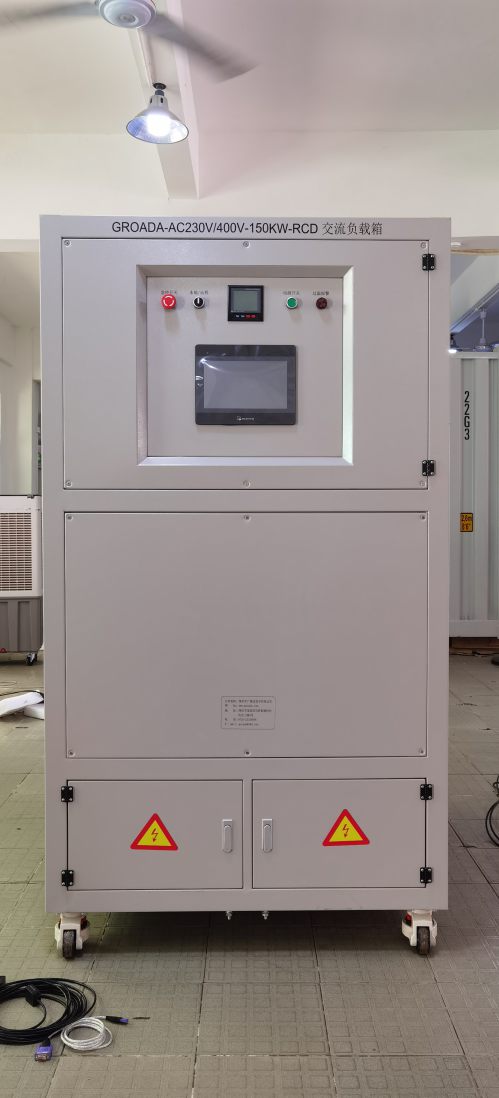
Safety is paramount—modern resistive load banks include features like over-temperature protection, short-circuit protection, and emergency stop (E-STOP) buttons. They must meet CE/UL/CCC certification requirements depending on regional markets. Mechanical design includes robust IP54-rated enclosures for dust and splash resistance, lifting rings for safe handling, and optional forklift bays for portability. Maintenance includes annual calibration using NIST-traceable equipment and replacement of resistor elements every 5–7 years based on usage intensity.
Proper use of resistive load banks not only confirms generator readiness but also extends equipment lifespan by identifying issues early—reducing downtime and maintenance costs in high-stakes environments.









