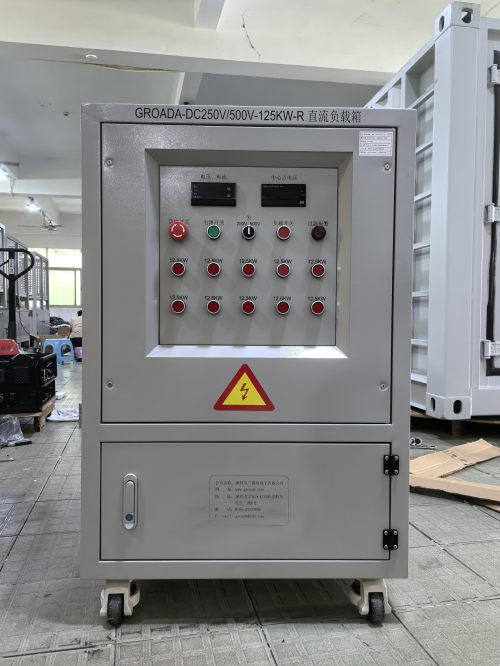
When testing generators, uninterruptible power supplies (UPS), or renewable energy systems like wind farms and microgrids, selecting the correct load bank is critical for ensuring performance, safety, and compliance. A load bank simulates real-world electrical loads to verify that a power source can handle its intended duty cycle under various conditions—such as full load, partial load, or emergency scenarios. There are four main types: resistive, reactive (inductive or capacitive), and combined (RLC) load banks. Resistive load banks convert electrical energy into heat using high-power resistors and are ideal for testing engine cooling, fuel consumption, and generator output under pure resistive load conditions. Reactive load banks introduce inductive or capacitive reactance to simulate motor-driven or electronic loads—common in industrial settings—and help evaluate voltage regulation and power factor correction. Combined RLC load banks provide the most comprehensive test by mimicking complex real-world loads found in commercial buildings or data centers. For portable applications, such as field service or temporary installations, lightweight and rugged designs with IP54 protection and built-in lifting points make handling easier while maintaining operational safety. Safety features like over-temperature protection, short-circuit protection, and E-STOP switches are essential, especially when working at high currents or voltages. Compliance with standards such as IEC 60034-1 (for motor testing), IEEE 1159 (power quality), and UL/CE certifications ensures equipment reliability and user safety. Based on our experience in factory acceptance tests (FAT) for diesel generators, we recommend starting with a resistive load bank for baseline performance checks, then adding reactive or RLC components for advanced validation. Regular calibration every 12 months using traceable standards and scheduled maintenance—like fan replacement or resistor inspection—ensures long-term accuracy. Case studies from a simulated wind farm grid connection test show that using a three-phase RLC load bank allowed engineers to validate both active and reactive power response within 2 hours, reducing commissioning time by up to 40%. Always match the load bank’s rated capacity to your system’s maximum output, and consider future scalability in your selection process.