
Resistive load banks are essential tools for verifying the performance, reliability, and safety of electrical power systems such as diesel generators, gas turbines, and uninterruptible power supplies (UPS). These devices simulate real-world electrical loads by converting electrical energy into heat through precision resistors, allowing engineers to test equipment under full-load conditions without relying on actual consumers.
Practical applications include factory acceptance testing (FAT) of new generators, routine maintenance checks for standby power systems in hospitals or data centers, and commissioning tests for microgrids or renewable energy installations. For example, during a simulated case study at a 2 MW diesel generator site, a resistive load bank was used to apply 100% load for 4 hours to validate engine cooling, fuel system response, and voltage regulation—critical parameters often missed in no-load operation.
Advantages of resistive load banks include their simplicity, cost-effectiveness, and ability to provide predictable thermal stress on equipment. They are ideal for testing prime movers like engines and alternators because they primarily measure real power (kW). Compared to reactive or combined load banks, they are easier to control and maintain, making them suitable for both field service and laboratory environments.
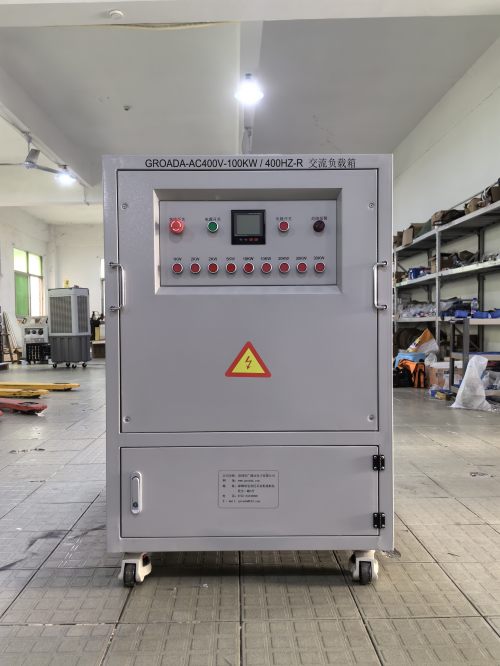
Latest trends show increased adoption of digital monitoring systems integrated with load banks—allowing remote data logging, automatic load step control, and real-time diagnostics via cloud platforms. This aligns with Industry 4.0 practices in power system testing, improving traceability and reducing human error.
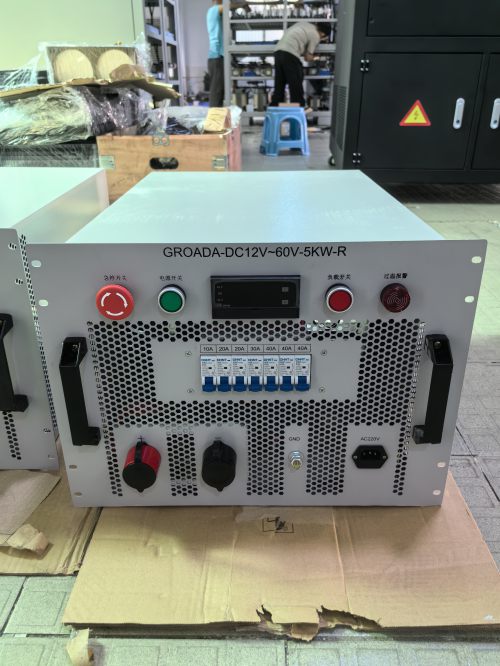
Frequently Asked Questions:
1. What is the purpose of a resistive load bank?
To verify generator or UPS output capacity under controlled load conditions.
2. How does a resistive load bank differ from a reactive one?
Resistive loads consume real power (kW), while reactive loads simulate inductive/capacitive loads (kVAR).
3. Can I use a resistive load bank for battery discharge testing?
Yes, if the battery is connected to an inverter that powers the load bank.
4. How often should a load bank be calibrated?
Annually, per IEEE 1547 guidelines, using certified resistance standards.
5. Are portable resistive load banks available?
Yes—many models are designed for mobility with IP54 enclosures and lifting points.
6. What safety protections are required?
Over-temperature sensors, E-stop switches, short-circuit protection, and grounding per IEC 60364.
7. Do load banks need maintenance?
Regular checks of resistor integrity, fan cleanliness, and cooling airflow are recommended quarterly.
8. What certifications should I look for?
CE, UL, or CCC approval depending on regional markets.
These tools remain indispensable for ensuring grid resilience, especially in critical infrastructure where failure is not an option.









