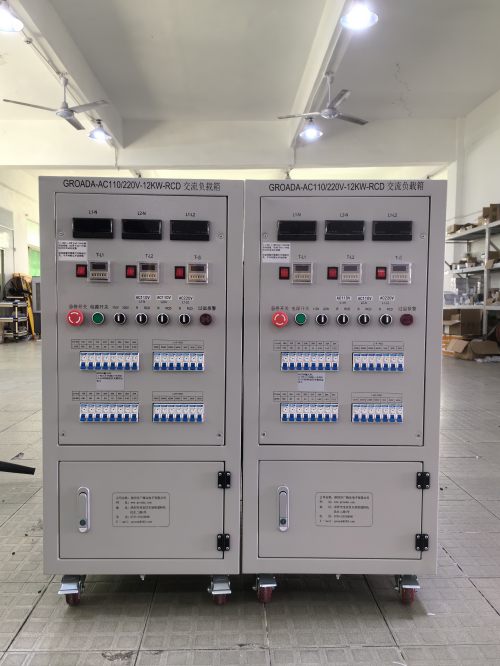
When testing generators, uninterruptible power supplies (UPS), or microgrids, selecting the appropriate load bank is critical to ensuring reliability, safety, and compliance with international standards such as IEC 60034-1 and IEEE 115. A properly configured load bank simulates real-world electrical loads, enabling accurate performance validation under various conditions—from full-load operation to transient response.
The choice of load bank depends on the application type. Resistive load banks are ideal for testing diesel or natural gas generators by converting electrical energy into heat through resistors. They are simple, reliable, and commonly used in factory acceptance tests (FAT) for new generators. Reactive load banks, which include inductive or capacitive elements, simulate motor-driven or electronic loads—common in data centers and industrial facilities where power factor matters. For comprehensive system testing, combined RLC (resistive-inductive-capacitive) load banks offer balanced loading across all three phases and are essential for validating grid-tied systems like wind farms or solar installations.
Modern portable load banks often feature active cooling systems, IP54 enclosures, and integrated control panels with digital displays that monitor voltage, current, frequency, and temperature. Safety features such as E-STOP buttons, over-voltage protection, short-circuit detection, and grounding integrity checks ensure safe operation during extended tests. These systems must comply with CE, UL, or CCC certifications depending on regional markets.
Maintenance is straightforward: resistor grids typically last 5–10 years depending on usage intensity, while fans and cooling units require annual inspection. Calibration should be performed every 12 months using certified equipment like precision multimeters and thermal imaging tools. A recommended spare parts list includes fuses, contactors, and cooling fan assemblies.
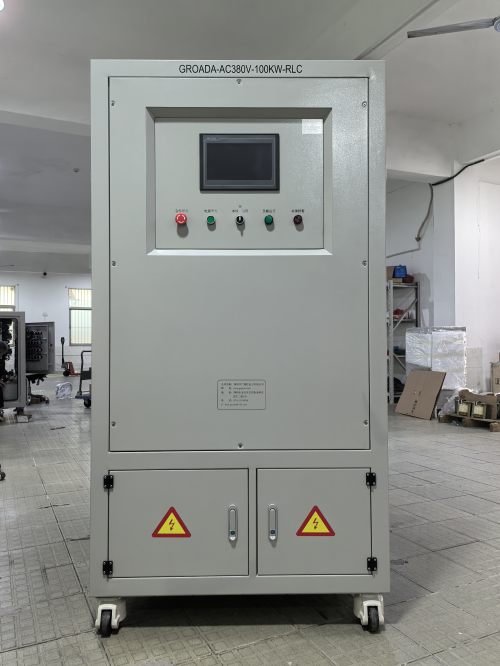
In one anonymous case study, a 1.5 MW diesel generator was tested using a 100% resistive load bank for 8 hours at full load. The test revealed a 3% voltage drop under peak demand—an issue resolved by adjusting AVR settings before commissioning. Another simulated example showed how reactive loading helped identify poor power factor correction in a UPS system, allowing engineers to install capacitor banks prior to deployment.
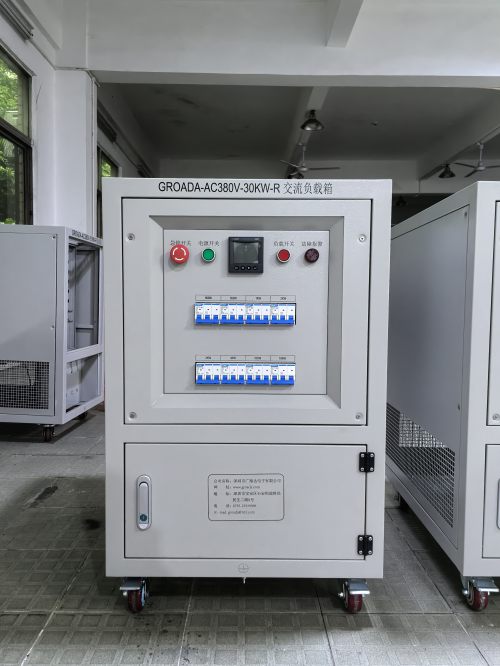
By matching load bank type to application needs, maintaining equipment rigorously, and following established standards, operators can ensure long-term system stability and avoid unexpected failures during critical operations.