Top 5 Generator Test Load Bank Suppliers for US Projects
Selecting the right generator test load bank supplier is one of the most overlooked decisions in US power infrastructure projects. Whether you are commissioning a data center, validating a hospital backup system, or running periodic maintenance on standby diesel generators, the load bank you choose directly affects test accuracy, NFPA 110 compliance, and the long-term reliability of your emergency power systems. This guide breaks down what to look for in a supplier and reviews the top five players serving the US market.
Why Load Bank Testing Matters for US Generator Projects
Standby and prime power generators are only as trustworthy as their last verified test. Without regular load testing, diesel engines develop wet stacking, a condition where unburned fuel and carbon accumulate in the exhaust system because the engine never runs at sufficient load. Over time this reduces efficiency, increases emissions, and can cause catastrophic failure during an actual outage.
⚡ Key compliance driver: NFPA 110 requires that emergency generators serving healthcare and critical facilities be load tested at a minimum of 30% of nameplate rating monthly, with annual testing at full rated load using a load bank when the building load is insufficient.
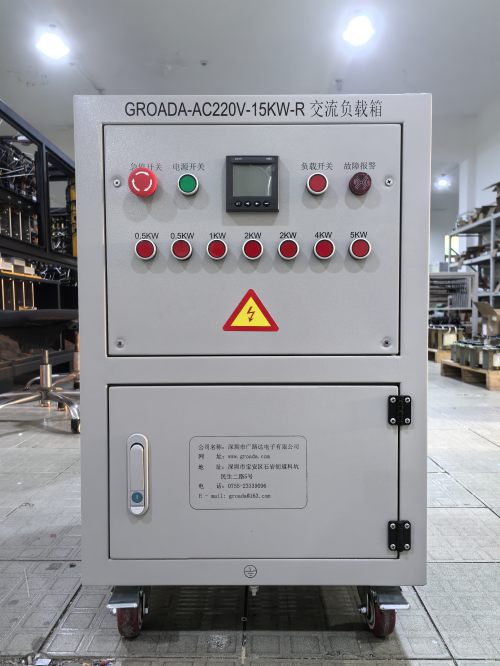
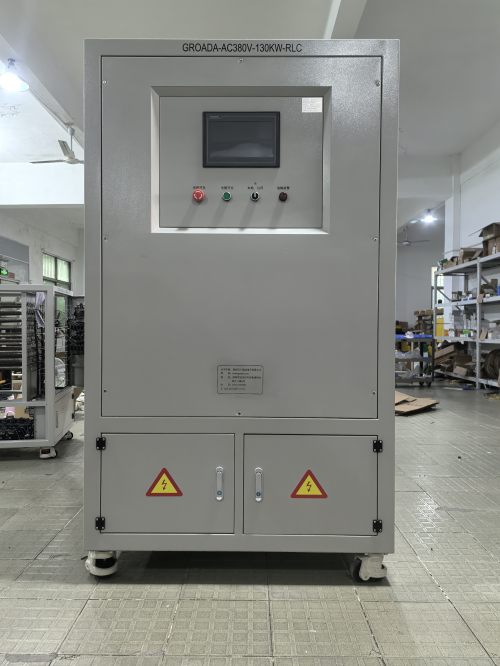
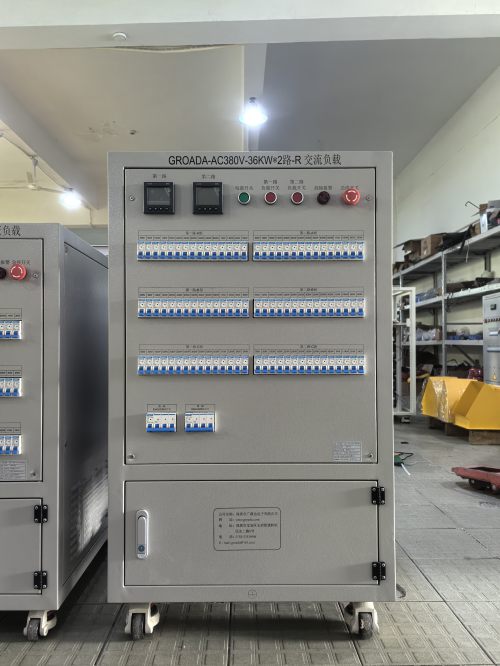
This is exactly where a quality load bank earns its value. A properly engineered unit lets you apply a precise, controlled, and repeatable load to the generator, confirming that it can deliver rated kW, hold voltage and frequency stability, and dissipate heat correctly under stress.
What to Evaluate in a Load Bank Supplier
Before comparing brand names, it helps to understand the criteria that separate a dependable supplier from a commodity vendor. The following factors should anchor your decision.
🔧 Load Type and Application Fit
Load banks come in three primary configurations. Choosing the wrong type leads to incomplete testing and false confidence.
- Resistive (kW) load banks — simulate real working loads such as lighting, heating, and motors. Ideal for verifying engine and prime mover performance.
- Reactive (kVAR) load banks — add inductive or capacitive load to test the alternator and voltage regulator under realistic power-factor conditions, typically 0.8 PF.
- Resistive/Reactive combined units — provide the most complete picture for large data center and utility commissioning where the full kVA capacity must be proven.
📐 Capacity, Scalability, and Voltage Range
US projects span a wide range, from 100 kW portable units for small clinics to multi-megawatt systems for hyperscale facilities. A strong supplier offers modular, stackable designs so capacity can be combined to match the largest unit you intend to test, with support for standard US voltages such as 208V, 480V, and 600V.
🛠️ Build Quality and Cooling Design
Resistive elements, control contactors, and the cooling system define service life. Look for helical resistor wire rated for high temperature, fault-tolerant load step switching, and forced-air cooling with thermal protection that prevents element burnout.
🌐 US Support, Lead Time, and Certifications
For US deployments, prioritize suppliers offering UL or CSA listing, domestic stock or fast import logistics, English documentation, and responsive after-sales support. A unit that ships in two weeks with local technical backup beats a cheaper one that takes three months and arrives without parts support.
The suppliers below are recognized across the US commissioning and facility maintenance market. Each brings a different strength depending on your project scale and budget.
1. Established US Resistive Load Bank Specialists
🏆 Best for: Standard generator commissioning and NFPA 110 maintenance testing.
The long-standing US manufacturers in this category built their reputation on rugged, portable resistive units used by rental fleets and service technicians nationwide. Their strengths are proven reliability, nationwide service networks, and deep familiarity with US codes. The trade-off is that pure resistive units cannot fully test alternator behavior under reactive load, so larger projects often pair them with separate reactive units.
2. High-Capacity Resistive/Reactive Manufacturers
🏆 Best for: Data centers, utilities, and full kVA acceptance testing.
These suppliers focus on combined resistive and reactive systems in the megawatt class. They excel at full power-factor testing, container-mounted designs, and integrated load control software with data logging. Expect a higher price point and longer lead times, justified when contracts require documented proof of full rated kVA performance.
3. Rental-Focused Load Bank Providers
🏆 Best for: One-time commissioning or infrequent annual testing.
For owners who test only once or twice a year, rental is often the most cost-effective path. National rental companies stock portable and trailer-mounted units with delivery, setup, and certified technician support. The downside is recurring cost and scheduling dependence, which makes ownership more economical for facilities with frequent testing needs.
4. International OEM Manufacturers with US Distribution
🏆 Best for: Competitive pricing with strong technical specifications.
A growing segment of the US market is served by experienced international manufacturers offering UL-compliant, customizable load banks at competitive prices. The leading ones provide modular AC and DC units, configurable voltage ranges, and engineering support tailored to US standards. When evaluating this group, confirm certification documentation, warranty terms, and spare-parts availability within the US before committing.
5. Specialized DC and Battery Load Bank Suppliers
🏆 Best for: Telecom, UPS, and battery-backed DC systems.
Not every project tests an AC generator. Telecom sites and UPS installations rely on DC load banks to verify battery string capacity and discharge performance. Suppliers in this niche offer precise low-voltage DC loading with detailed cell-level monitoring, an essential capability for critical communications infrastructure.
How to Match a Supplier to Your Project
Use this simplified decision path to narrow your shortlist quickly.
- 📋 Monthly NFPA testing of standby generators — choose a portable resistive unit from an established US specialist or an international OEM with US support.
- 📋 Data center or utility acceptance testing — choose a high-capacity resistive/reactive manufacturer with full kVA capability and data logging.
- 📋 Once-a-year testing only — choose a rental provider to avoid capital cost.
- 📋 UPS or telecom battery banks — choose a specialized DC load bank supplier.
💡 Engineer's tip: Always size your load bank to at least the full nameplate rating of your largest generator. Testing only to building load leaves the upper performance range unverified, which is precisely the range that matters during a real emergency.
Final Thoughts
The best generator test load bank supplier for your US project depends on load type, capacity, testing frequency, and compliance requirements rather than brand name alone. Established US specialists offer proven reliability, high-capacity manufacturers cover full kVA validation, rental providers suit infrequent testing, international OEMs deliver value with strong specs, and DC specialists serve battery systems. By matching supplier strengths to your specific application and confirming certifications and US support, you secure accurate, repeatable testing that keeps your emergency power systems ready when they are needed most.