
Marine-grade load banks are essential testing equipment for US shipyards that build, repair, and commission vessels ranging from commercial cargo ships to naval combatants. These specialized devices simulate electrical loads to verify the performance of shipboard generators, emergency power systems, and shore power connections. Choosing the right marine-grade load bank supplier directly impacts the reliability, safety, and regulatory compliance of every vessel that leaves the dock. This guide reviews the top considerations and leading suppliers serving American shipbuilding facilities.
Why Shipyards Need Marine-Grade Load Banks
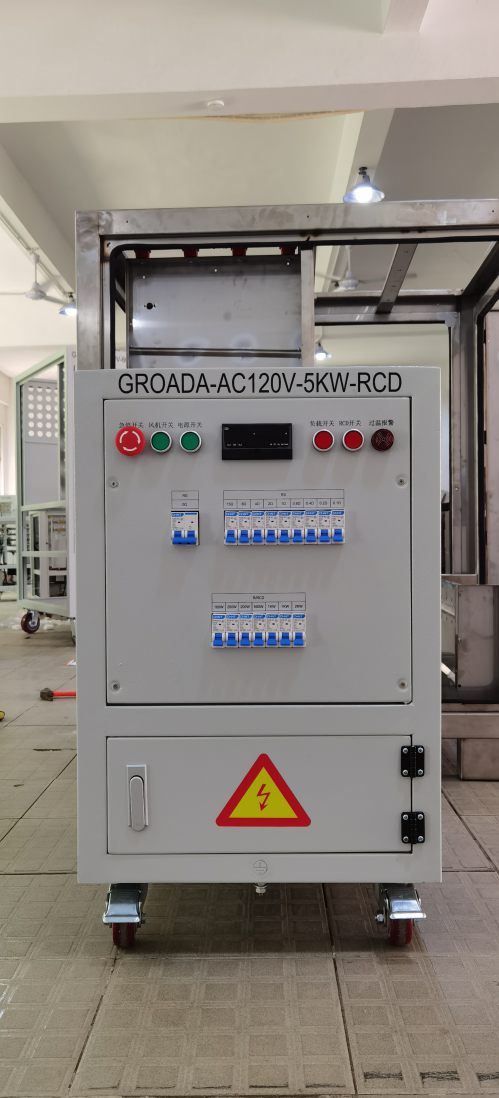
Shipboard power systems operate under demanding conditions that no ordinary industrial load bank can properly test. Salt spray, high humidity, constant vibration, and confined engine room spaces create an environment where standard equipment quickly fails. Marine-grade load banks are engineered with corrosion-resistant enclosures, marine-rated components, and rugged designs that withstand these harsh conditions while delivering precise load simulation.
US shipyards rely on these load banks for several critical tasks. During new vessel construction, load banks verify that generators can sustain full rated output before sea trials. During maintenance and refit, they confirm that repaired or replaced power systems perform correctly. For classification society approvals from ABS, DNV, and Lloyd's Register, documented load testing provides the objective evidence required for certification.
Key Selection Criteria for Marine Load Bank Suppliers
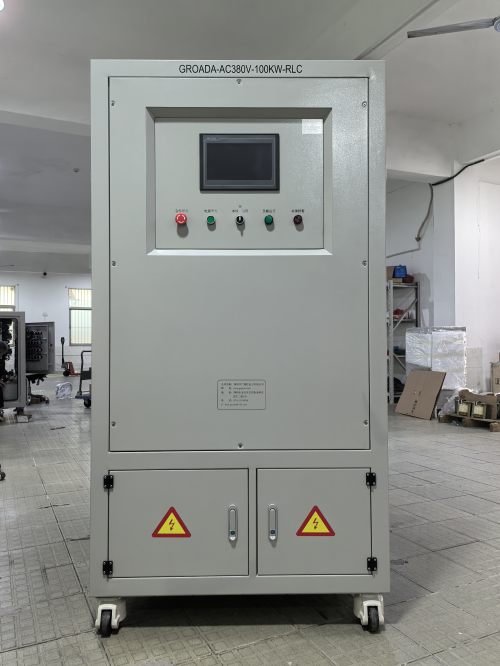
Selecting a supplier goes beyond comparing price tags. Shipyards must evaluate several technical and commercial factors to ensure long-term value and operational success.
Corrosion Resistance and Enclosure Rating
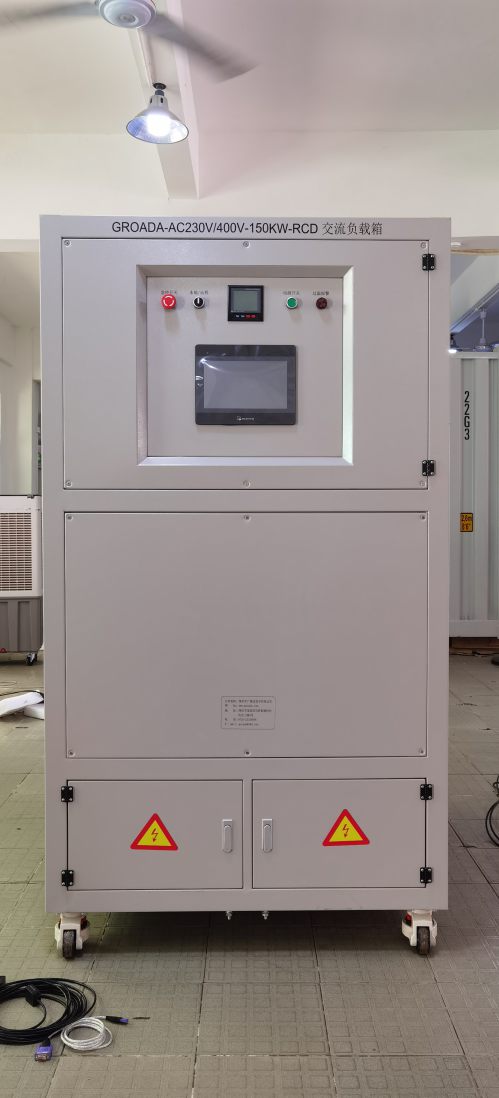
Marine environments demand enclosures rated to IP54 or higher, with stainless steel or marine-grade aluminum construction. Look for suppliers offering salt-fog tested finishes and sealed control panels that protect internal electronics from moisture ingress.
Load Capacity and Configuration
Shipyard applications range from small emergency generator testing at a few kilowatts to megawatt-scale main propulsion power verification. The best suppliers offer resistive, reactive, and combined resistive-reactive load banks in both portable and permanently installed configurations to match every testing scenario.
Voltage and Frequency Compatibility
Naval and commercial vessels operate at various voltages including 440V, 480V, and 690V, and both 50Hz and 60Hz frequencies. A capable marine load bank supplier provides equipment that handles these variations, including 400Hz systems used in some specialized military applications.
Compliance and Certification Support
Reputable suppliers understand US Navy MIL-STD requirements, IEEE standards, and classification society rules. They provide calibration certificates, test documentation, and technical support to help shipyards satisfy inspectors and auditors.
Top 5 Marine-Grade Load Bank Suppliers
Based on product quality, marine specialization, service network, and reputation within the American shipbuilding industry, the following suppliers stand out for US shipyard applications.
1. Established Marine Power Testing Specialists
The leading tier of suppliers focuses specifically on marine and defense applications. These companies design load banks from the ground up for shipboard and dockside use, incorporating vibration-resistant mounting, seawater cooling options, and enclosures certified for open-deck exposure. Their engineering teams frequently collaborate with naval architects during vessel design to integrate permanent load bank installations into ship power systems. Shipyards value these suppliers for their deep understanding of MIL-STD documentation and their ability to deliver equipment that passes rigorous government inspection.
2. High-Capacity Industrial Load Bank Manufacturers
Some suppliers combine broad industrial experience with dedicated marine product lines. These manufacturers offer the highest capacity units, capable of testing megawatt-class main generators and propulsion systems found on large cargo vessels and cruise ships. Their portable trailer-mounted and container-mounted load banks allow shipyards to move testing capability between dry docks and berths. Comprehensive control systems with data logging and automated test sequences make them ideal for high-volume commercial shipbuilding operations.
3. Portable and Rental-Focused Providers
Not every shipyard needs to own its testing equipment outright. Rental-focused suppliers provide marine-grade load banks on flexible terms, which suits yards with fluctuating workloads or occasional large-scale testing needs. These providers maintain fleets of resistive and resistive-reactive units, deliver them directly to the dock, and offer on-site technical support. This model reduces capital expenditure while ensuring access to properly maintained, calibrated equipment whenever a vessel requires testing.
4. Custom Engineering and Integration Firms
Certain shipyard projects require load banks tailored to unique specifications, such as integration with existing ship management systems or compliance with specific naval program requirements. Custom engineering firms excel at these challenges, designing bespoke solutions that fit tight engine room spaces, interface with vessel automation, and meet exacting military standards. While lead times are longer, the resulting equipment perfectly matches the shipyard's needs.
5. Full-Service Suppliers with Nationwide Support
The fifth category comprises suppliers that pair quality marine load banks with an extensive nationwide service and calibration network. For shipyards operating across multiple coastal locations, having local support, rapid spare parts availability, and certified calibration services is invaluable. These suppliers provide the peace of mind that testing equipment will remain operational and compliant throughout its service life, minimizing costly downtime.
Resistive vs. Reactive Load Testing for Ships
Understanding the difference between load bank types helps shipyards specify the correct equipment. Resistive load banks apply a purely resistive load, testing the engine and generator at unity power factor and verifying prime mover performance and cooling capacity. Reactive load banks add inductive or capacitive loading to simulate real-world power factors, revealing how generators respond to motors, pumps, and other reactive shipboard loads.
For complete generator testing, combined resistive-reactive load banks provide the most thorough evaluation. They confirm that generators maintain voltage regulation and frequency stability under realistic conditions, which is exactly how these systems behave when powering an operating vessel at sea.
Maintenance and Safety Considerations
Marine load banks require regular maintenance to remain accurate and safe. Shipyards should establish schedules for cleaning cooling elements, inspecting load resistors, testing control systems, and recalibrating measurement instruments. Salt accumulation must be removed promptly to prevent corrosion and electrical faults.
Safety is paramount when working with high-power testing equipment near vessels and personnel. Proper cable sizing, secure connections, adequate ventilation for heat dissipation, and trained operators are non-negotiable. The best suppliers include comprehensive safety features such as thermal overload protection, emergency stops, and interlocked access panels.
Making the Right Choice for Your Shipyard
The ideal marine-grade load bank supplier depends on your shipyard's specific mix of new construction, repair work, vessel types, and testing volume. Yards focused on naval contracts should prioritize suppliers with proven MIL-STD experience and security clearances. Commercial shipbuilders benefit from high-capacity, high-throughput solutions. Repair yards with variable demand may find rental partnerships most economical.
Whatever your requirements, insist on marine-grade construction, verified compliance documentation, responsive technical support, and a track record within the US shipbuilding industry. Investing in the right load bank supplier protects your vessels, your reputation, and your bottom line for years to come.