
Load bank equipment plays a critical role in the testing, validation, and performance evaluation of power generation systems—including diesel generators, gas turbines, renewable energy inverters, and utility-scale power plants. These devices simulate real-world electrical loads to ensure that power sources can deliver consistent, reliable output under various operating conditions. According to industry standards such as IEEE 1547 and IEC 62116, load banks are essential tools for commissioning, maintenance, and safety compliance across industrial, commercial, and utility sectors.
Modern load banks are broadly categorized into three types: resistive, inductive, and capacitive, with hybrid models combining all three. Resistive load banks, the most common type, convert electrical energy into heat through precision resistor elements—ideal for evaluating generator capacity and engine cooling systems. Inductive load banks simulate reactive loads from motors and transformers, while capacitive units mimic the effects of electronic power supplies and capacitive loads. Hybrid load banks, often used in full-system validation, provide comprehensive load profiles that mirror actual grid behavior, making them indispensable in smart grid integration projects.
In the field, load banks must meet stringent engineering requirements. For instance, a 2023 case study by Siemens Energy demonstrated how a 10 MW resistive load bank helped validate a new natural gas turbine installation in Germany, confirming its ability to handle peak demand without thermal stress or voltage instability. Similarly, data from the U.S. Department of Energy shows that regular load bank testing reduces unscheduled downtime by up to 40% in backup power systems for hospitals and data centers.
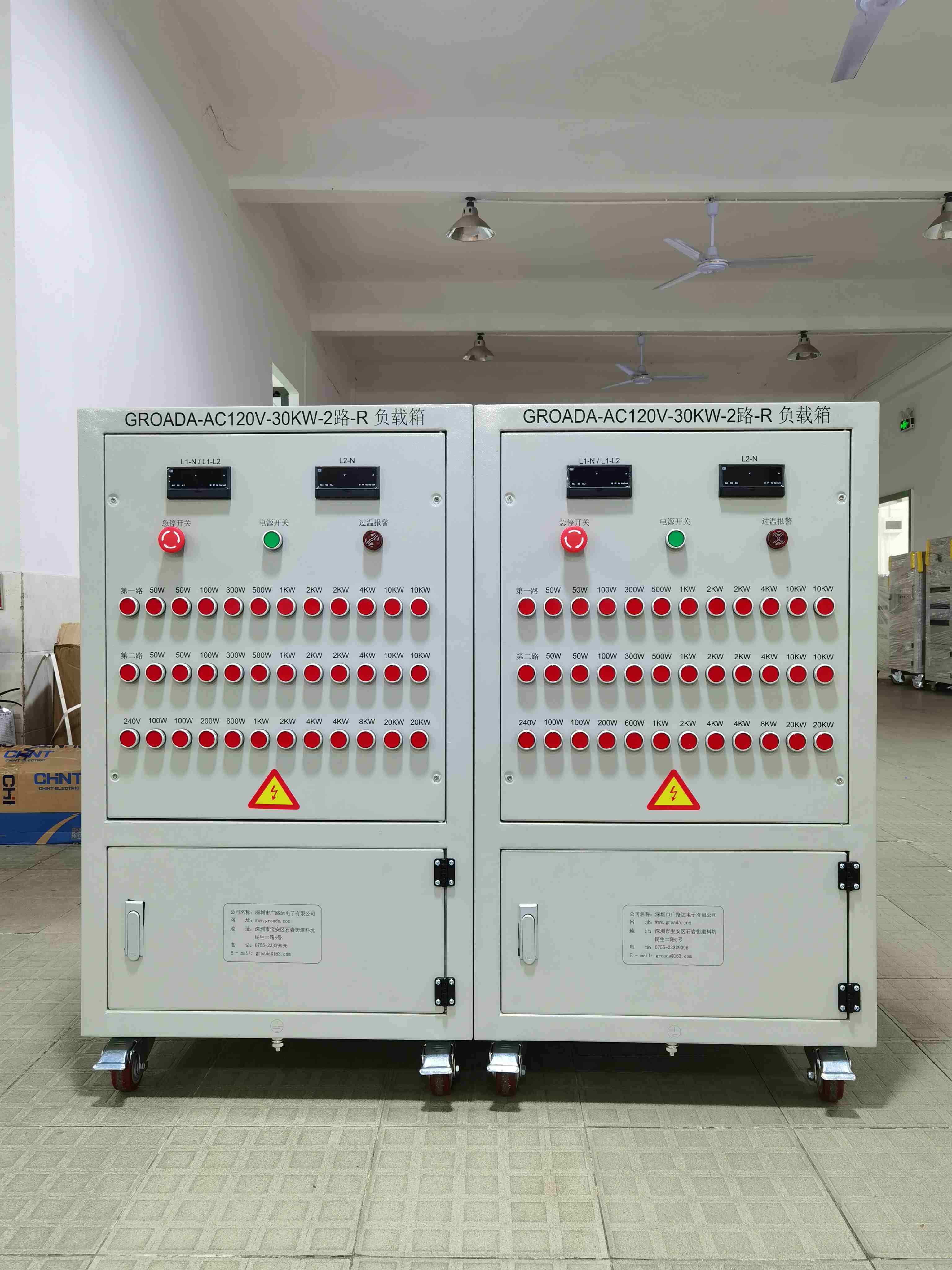
Manufacturers like Kehoe Industries, Enerdyne, and Rittal integrate advanced control systems, remote monitoring capabilities, and fire suppression mechanisms into their load bank designs. Smart load banks now feature IoT-enabled sensors for real-time temperature, current, and voltage monitoring, allowing predictive maintenance and automated diagnostics. This aligns with ISO 50001 energy management standards, enabling facilities to optimize energy use while ensuring generator readiness.
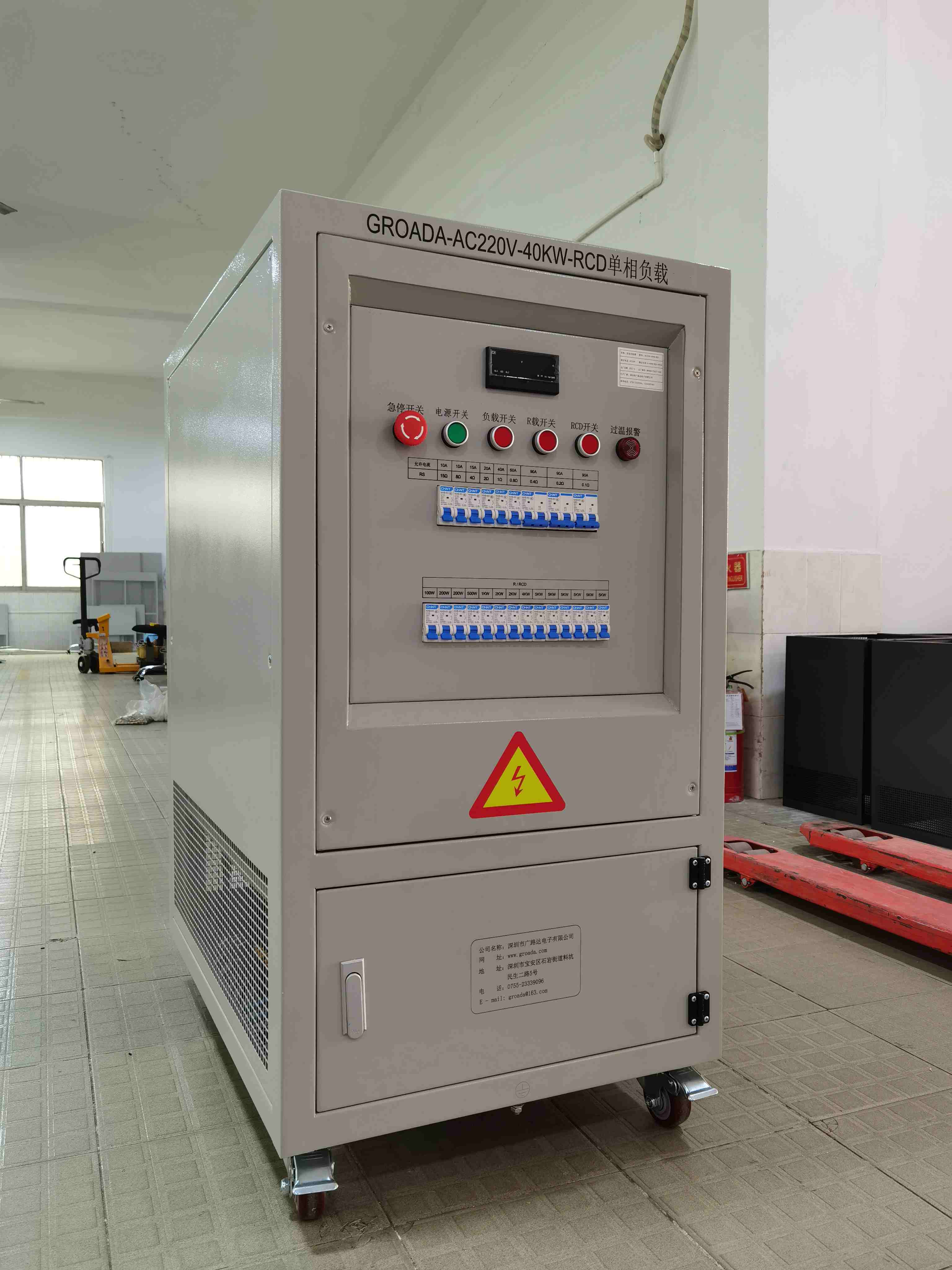
Safety is paramount in load bank operation. The National Fire Protection Association (NFPA) 37 mandates proper ventilation, grounding, and fire protection measures when using high-capacity load banks. Engineers must also consider environmental factors—such as ambient temperature and humidity—which affect resistance values and thermal dissipation efficiency. Proper load bank sizing ensures optimal performance without overloading the system, a principle reinforced by ANSI/IEEE C62.41 guidelines for surge protection and transient voltage testing.
For global markets, compliance with regional certifications such as CE, UL, and CCC is crucial. A recent report by MarketsandMarkets estimates that the global load bank market will exceed $1.2 billion by 2028, driven by growing demand from microgrid installations, EV charging infrastructure, and offshore wind farms. As power systems become more complex and distributed, load bank technology continues to evolve—from portable units for field service to fixed installations in substations.
Whether used for routine testing, emergency preparedness, or commissioning new assets, load banks remain an indispensable tool in modern electrical engineering. Their ability to replicate diverse load conditions makes them vital for validating system integrity, ensuring regulatory compliance, and enhancing operational resilience in an increasingly electrified world.