
Load bank testing is a critical process in the power generation and distribution industry, ensuring that electrical systems—such as generators, transformers, and uninterruptible power supplies (UPS)—operate safely and efficiently under real-world conditions. Unlike routine maintenance checks, load bank testing simulates actual electrical loads to verify system performance, detect potential failures, and validate protection mechanisms before they are deployed in operational environments.
A load bank is an engineered device that absorbs electrical power from a generator or power source and converts it into heat, effectively mimicking the resistive, inductive, or capacitive loads found in industrial and commercial facilities. These devices are indispensable for commissioning new installations, maintaining existing systems, and preparing for emergency scenarios like blackouts or natural disasters. According to IEEE Standard 1547-2018, load testing is recommended as part of grid interconnection procedures for distributed energy resources such as solar farms and backup generators.
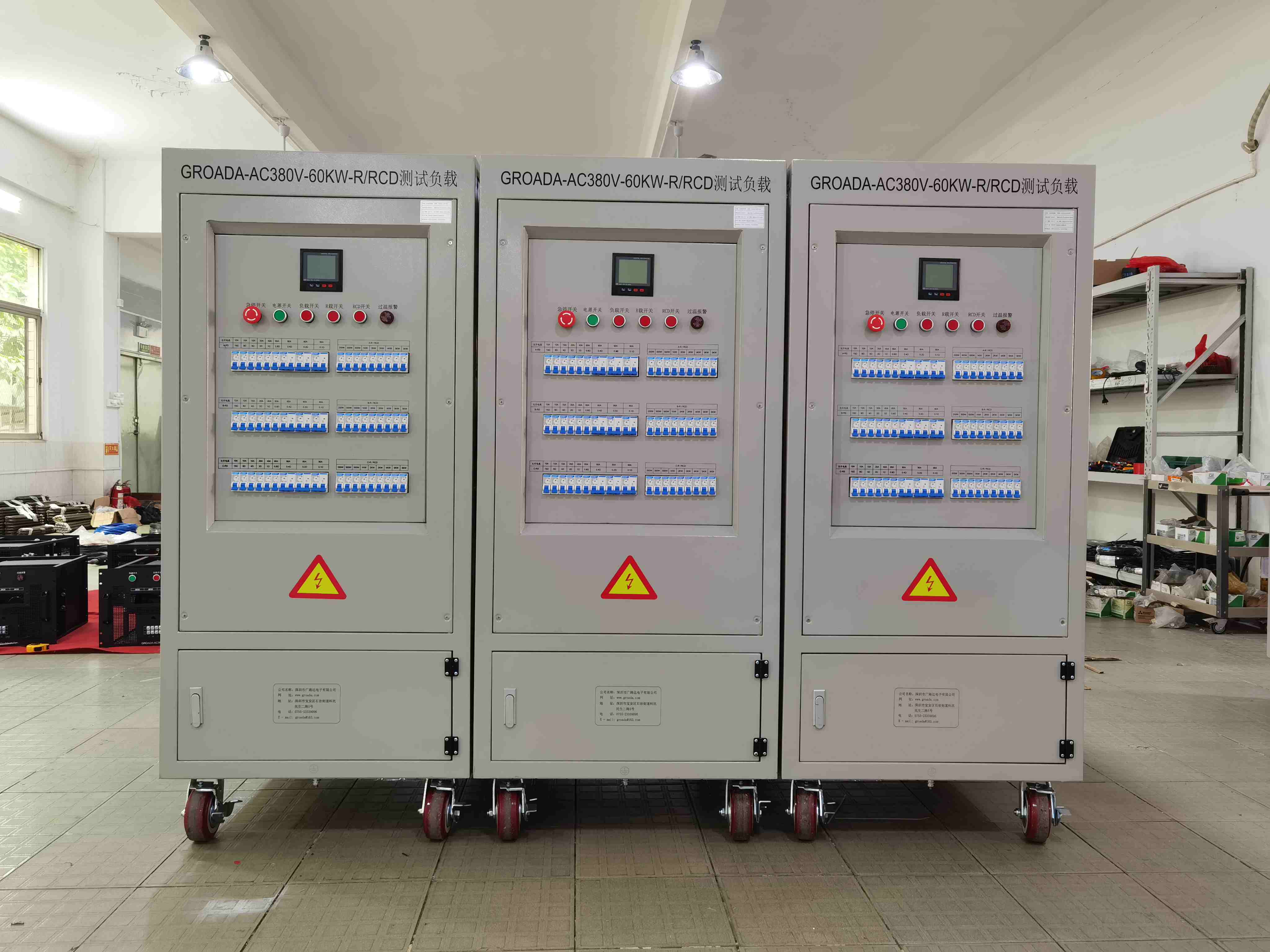
There are three main types of load banks: resistive, inductive, and capacitive. Resistive load banks are the most common, offering a straightforward way to test the mechanical and thermal capacity of generators by converting electrical energy into heat through precision resistors. Inductive load banks simulate reactive power demands, such as those from motors and transformers, allowing engineers to assess voltage regulation and harmonic distortion under realistic loading conditions. Capacitive load banks, less frequently used, help evaluate power factor correction capabilities and system stability when dealing with leading power factors—a key concern in modern data centers and renewable energy systems.
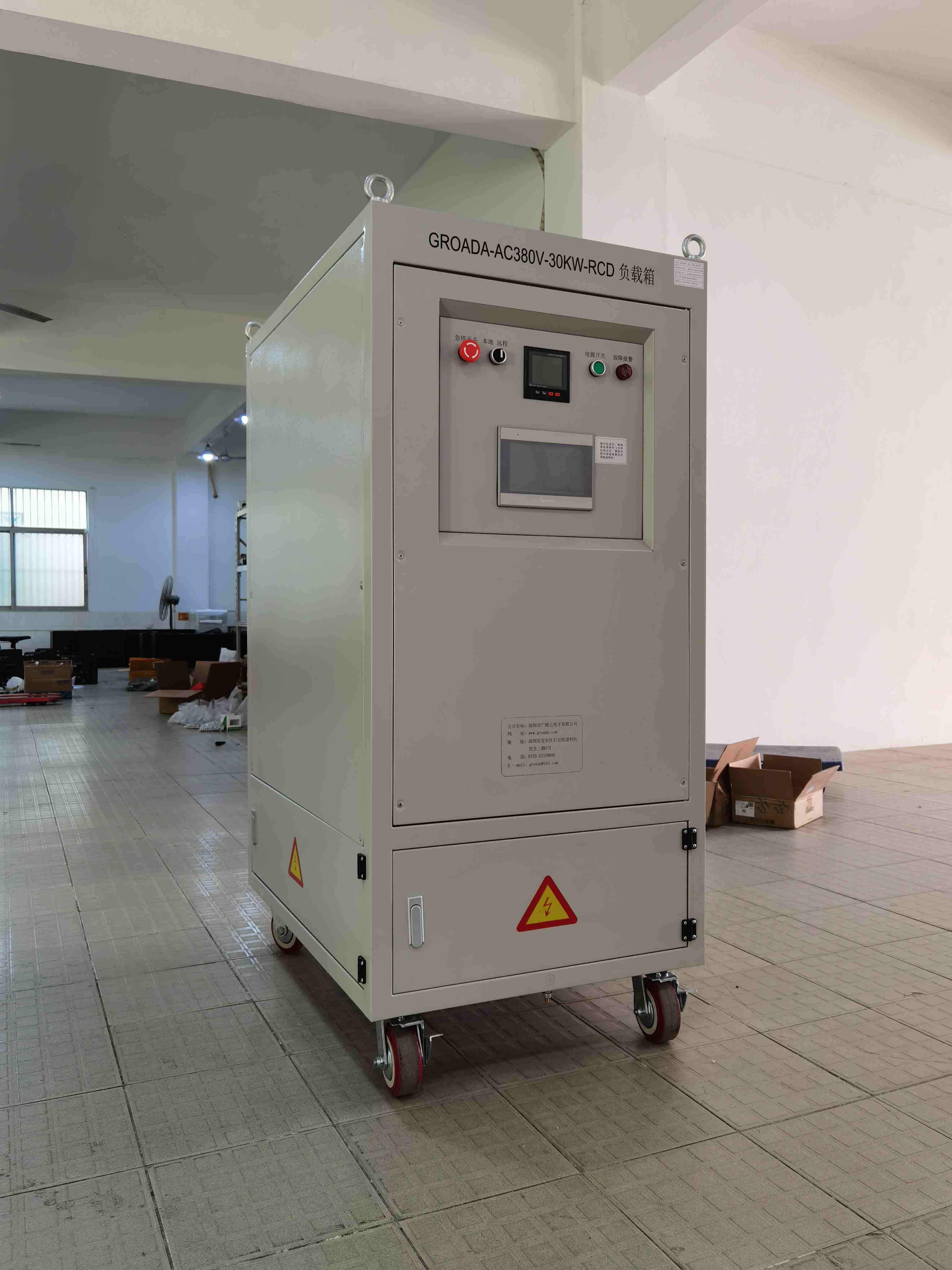
Modern load banks incorporate advanced digital controls, remote monitoring via IoT platforms, and automatic load scheduling based on pre-set parameters. For example, companies like EnerSys and Siemens offer intelligent load banks equipped with SCADA integration, enabling operators to perform dynamic load cycling tests without manual intervention. This level of automation improves safety, reduces human error, and provides precise data logging for compliance with ISO 50001 energy management standards.
Case studies from the aviation and healthcare sectors demonstrate the life-saving value of load bank testing. At Heathrow Airport’s backup power system, regular load bank tests identified a failing diesel generator months before a potential failure during a major storm, preventing a costly outage. Similarly, hospitals rely on bi-weekly load tests to ensure their emergency power systems meet NFPA 110 standards, which mandate reliable operation within 10 seconds of a utility failure.
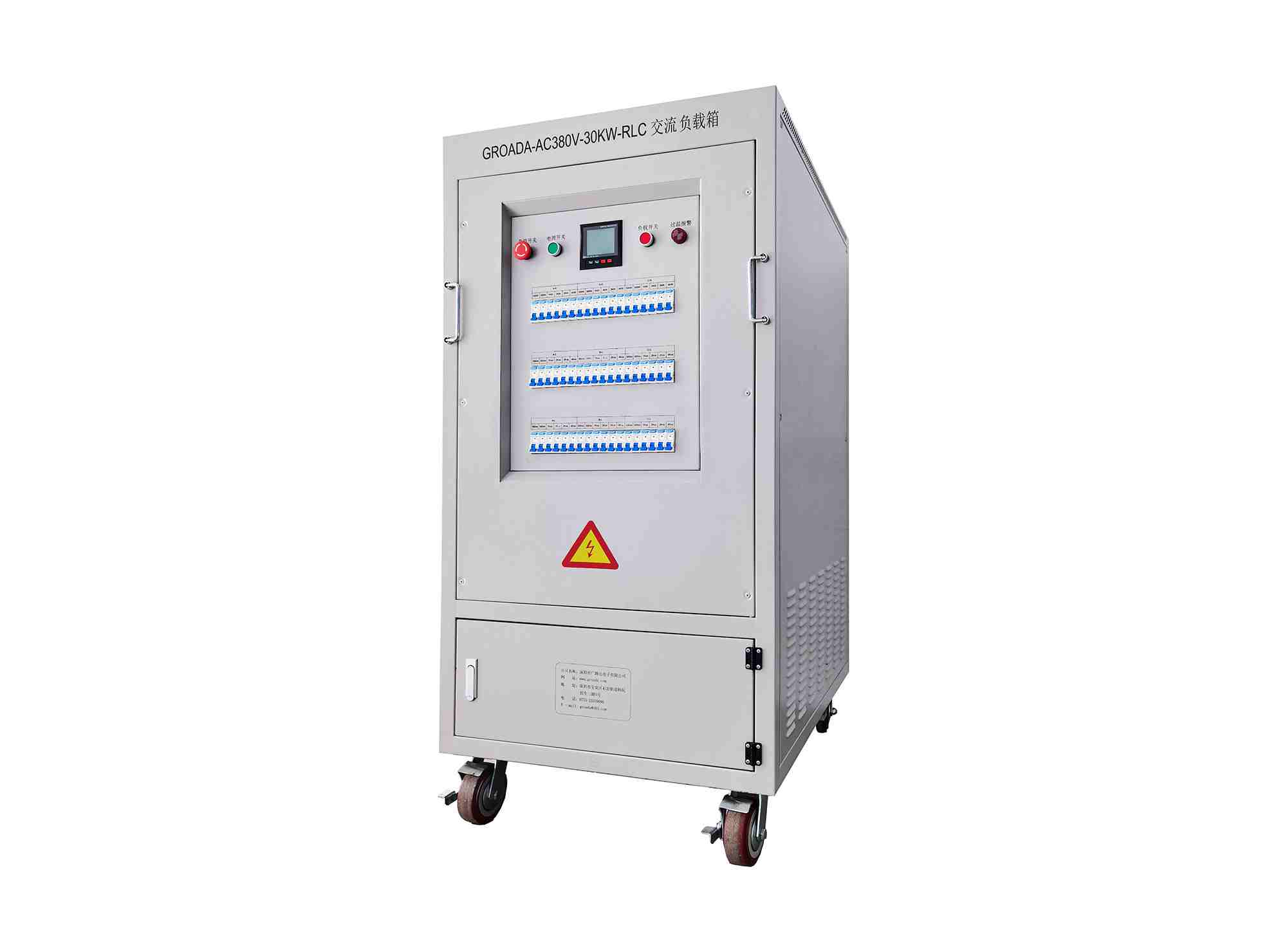
From an engineering perspective, load bank selection must consider factors such as kW rating, voltage compatibility, portability, and environmental conditions. Portable load banks are ideal for mobile operations, while fixed installations in power plants often use larger, high-capacity units. The International Electrotechnical Commission (IEC) also specifies guidelines for load bank design, particularly regarding temperature rise limits, enclosure ratings (IP65 or higher), and grounding requirements.
In conclusion, load bank testing is not just a compliance requirement—it is a strategic investment in reliability, safety, and operational resilience. As global energy infrastructure becomes more complex, integrating smart load bank technologies into predictive maintenance programs will be essential for industries aiming to reduce downtime, optimize efficiency, and meet sustainability goals.