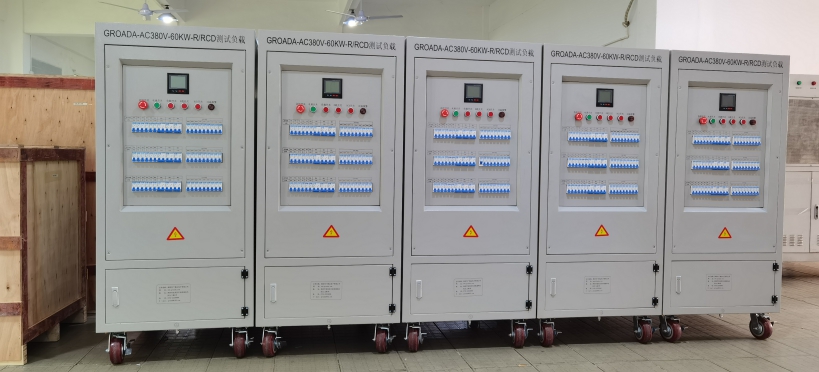
Load bank testing is a critical procedure used to validate the performance, reliability, and safety of generators, UPS systems, and other power sources under real-world operating conditions. Unlike routine operation, load bank testing simulates actual electrical loads—resistive, reactive, or combined—to ensure that equipment can deliver stable power across various load profiles. This method is widely adopted in industrial, commercial, and utility applications, from factory acceptance tests (FAT) to preventive maintenance programs.
The main body of load bank testing revolves around three core types: resistive, reactive, and combination (RLC) load banks. Resistive load banks convert electrical energy into heat using precision resistor blocks, ideal for testing generator output capacity, voltage regulation, and cooling system efficiency. Reactive load banks introduce inductive or capacitive loads to assess reactive power handling—essential for systems with motors, transformers, or variable frequency drives. Combination load banks offer both resistive and reactive components, enabling comprehensive testing that mimics complex real-world electrical environments.
Modern load banks are engineered with advanced features such as remote control via Modbus or Ethernet, thermal protection, and automatic load step control. Safety is prioritized through CE/UL/CCC certifications, grounding, overvoltage/undervoltage protection, and emergency stop mechanisms. Cooling methods—air or water-based—are selected based on power density and site constraints. For example, a 500 kW three-phase resistive load bank typically requires airflow management exceeding 3,000 CFM (cubic feet per minute) to maintain safe temperature rise within 15°C above ambient.
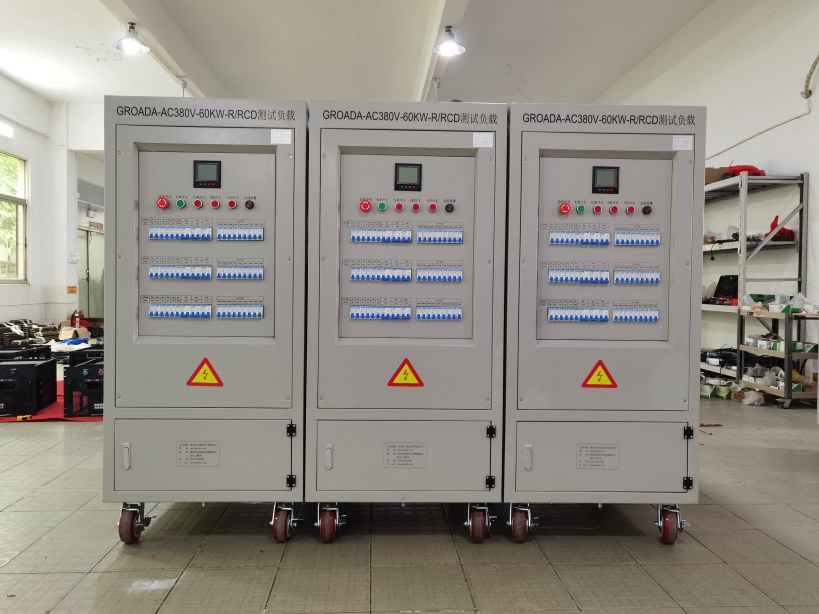
Case studies show significant value: an anonymized power plant used a 200 kW resistive load bank during commissioning to identify a faulty voltage regulator, preventing potential grid instability. Another simulated example involving a microgrid project revealed that reactive load testing uncovered capacitor bank mismatch issues before full-scale integration. These scenarios underscore how load bank testing ensures compliance with IEC 60034-1 (rotating machinery) and IEEE 1159 (power quality), improving operational confidence and reducing downtime risks.
In conclusion, load bank testing is not just a procedural requirement—it's a strategic investment in power system integrity. Whether verifying generator readiness or validating backup systems, it provides measurable data on performance metrics like power factor stability, current balance, and thermal response. As renewable energy and hybrid power systems grow, so does the need for accurate, repeatable, and standardized load testing practices.