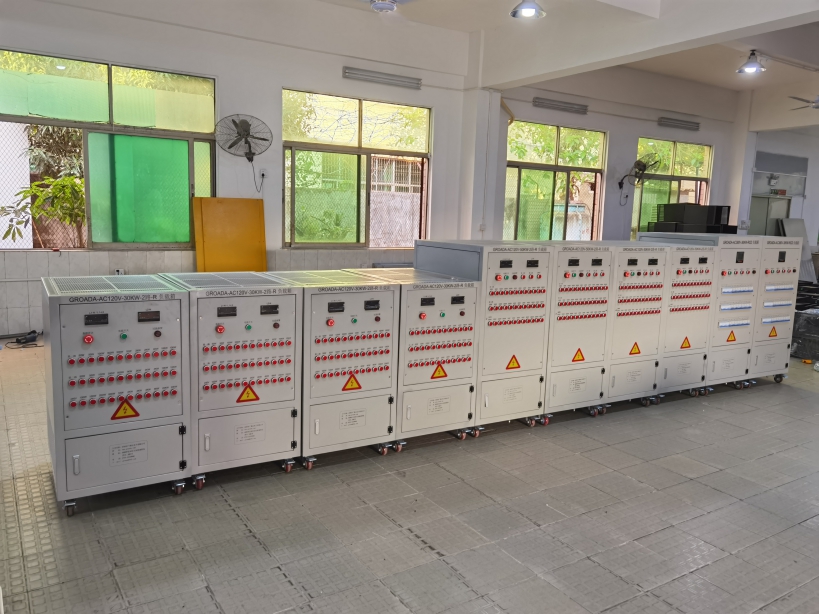
An inductive load bank is a specialized testing device used to simulate reactive power loads in electrical systems, particularly for evaluating the performance of generators, UPS (Uninterruptible Power Supply) units, and other power sources under real-world conditions. Unlike resistive load banks that convert electrical energy into heat, inductive load banks introduce lagging reactive power—where current lags behind voltage—by using coils or transformers to mimic the behavior of inductive devices like motors, transformers, and HVAC systems.
These load banks are essential in verifying a generator’s ability to maintain stable voltage and frequency when supplying both active (real) and reactive power. According to IEC 60034-1, generator performance must be tested across a range of power factors—from unity (1.0) to low lagging (e.g., 0.8), which requires inductive loading to replicate industrial environments where motor-driven equipment dominates.
Inductive load banks typically operate in three-phase configurations, with rated powers from 50 kVA up to several MVA. They often feature adjustable reactive power settings (from 0 to 100% of rated kVAR), allowing precise simulation of varying loads. Modern designs include thermal protection, remote monitoring via Modbus or Ethernet, and automatic load shedding to prevent overheating—a key safety feature in prolonged testing scenarios.
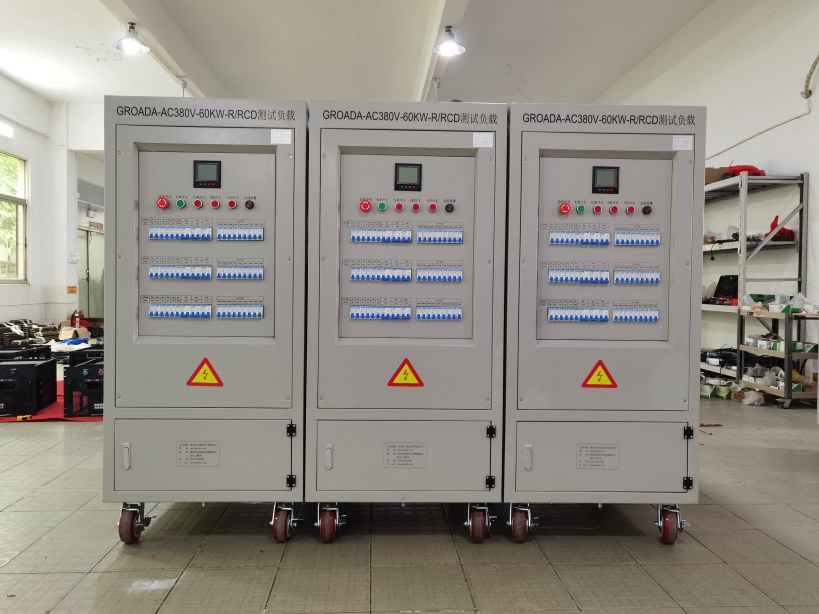
Applications include factory acceptance tests (FATs) for new generators, commissioning of renewable energy systems like wind turbines, and grid synchronization testing for microgrids. In one anonymized case study, a 2 MW diesel generator was tested with an inductive load bank at 0.8 lagging power factor for 4 hours; it maintained voltage regulation within ±2%, confirming compliance with IEEE 1159 standards for power quality.
Proper use of inductive load banks ensures not only system reliability but also extends equipment lifespan by identifying issues such as poor excitation control or inadequate cooling before deployment. For engineers and facility managers, integrating inductive load testing into routine maintenance schedules is critical for safe and efficient operation of complex power infrastructures.