
Portable load banks are essential tools in the testing, commissioning, and maintenance of electrical power systems such as generators, uninterruptible power supplies (UPS), and microgrids. These devices simulate real-world electrical loads to verify system performance under various operating conditions — from full-load operation to transient response — ensuring reliability, safety, and compliance with international standards like IEC 60034-1 and IEEE 1159.
A portable load bank typically consists of resistive, reactive, or combined RLC (resistor-inductor-capacitor) components that can be configured to match the characteristics of actual connected loads. Resistive load banks convert electrical energy into heat using precision resistor blocks; reactive load banks introduce inductive or capacitive reactance to mimic motor, transformer, or electronic loads; while combination units allow flexible control over both active and reactive power parameters. This adaptability makes them ideal for factory acceptance tests (FATs), site commissioning, preventive maintenance, and grid integration studies.
The design of modern portable load banks emphasizes portability, safety, and ease of use. Units are commonly housed in ruggedized steel enclosures rated IP54 or higher, equipped with lifting eyes, casters, and fork-lift pockets for transport between sites. Cooling is achieved via forced air (fan-based) or water-cooled systems depending on power rating — from 50 kW up to 2 MW. For example, a 100 kW three-phase resistive load bank might have a cooling airflow of 50 m³/min and operate within an ambient temperature range of –10°C to +50°C, with automatic thermal shutdown at 85°C to prevent overheating.
Key technical specifications include:
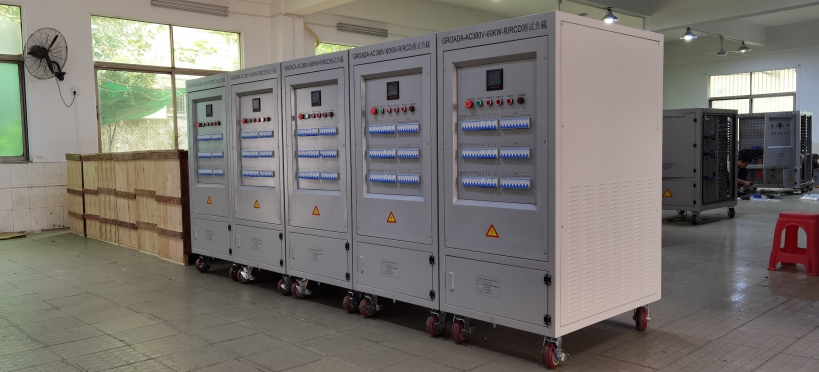
- Power Range: 5 kW to 2 MW
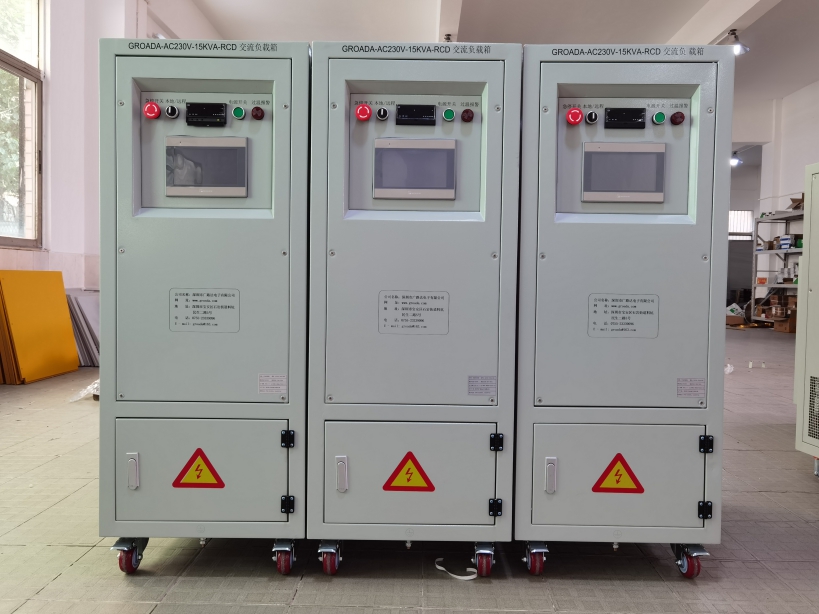
- Voltage Levels: 120–690 V AC (single or three-phase)
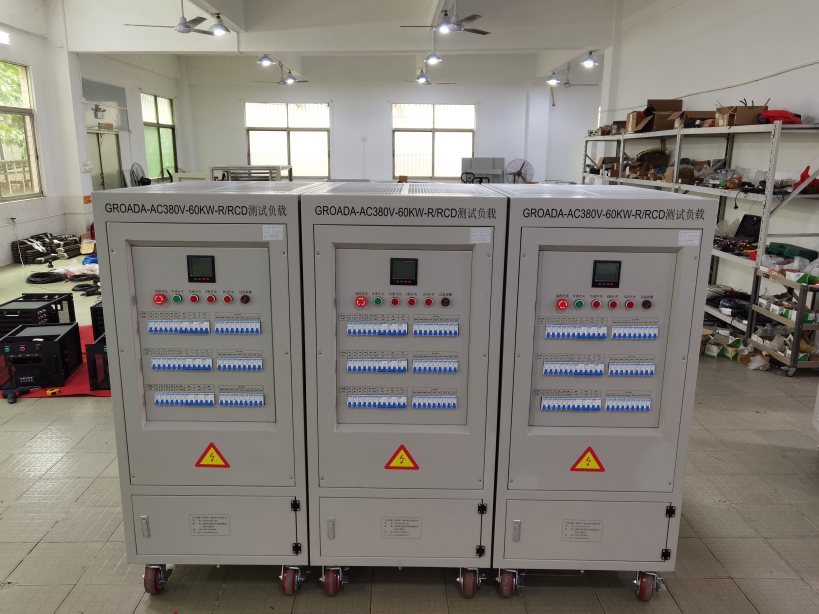
- Current Capacity: Up to 1,000 A per phase
- Power Factor Adjustment: 0.1–1.0 (adjustable via electronic controls)
- Measurement Accuracy: ±0.5% for voltage, current, active/reactive power, and PF
- Control Interfaces: Modbus RTU/TCP, CANopen, Ethernet, RS-485
- Remote Monitoring: Cloud-enabled dashboards for real-time data logging
Safety features are critical. Each unit must comply with regional certifications including CE (EU), UL/cUL (North America), and CCC (China). Features such as ground fault protection, short-circuit detection, emergency stop buttons, overvoltage/undervoltage alarms, and automatic disconnects during abnormal conditions ensure safe operation. In one anonymized case study involving a 250 kW diesel generator at a remote mining facility, a portable resistive load bank was used to perform a 72-hour continuous load test. The generator’s fuel consumption improved by 8% after tuning based on the load bank’s diagnostic output, demonstrating the value of precise load testing in optimizing operational efficiency.
Calibration is required annually or after major repairs. Calibration should be performed by certified laboratories using NIST-traceable equipment. Typical consumables include resistor blocks (replaceable every 5–10 years depending on usage), fans (every 2–3 years), and contactors (every 5 years). Recommended spare parts kits often include fuses, thermocouples, and replacement connectors.
Portable load banks are increasingly used in renewable energy projects, such as wind farm grid connection testing, where they validate synchronization capabilities before energizing new inverters. They also play a vital role in validating backup power systems for hospitals, data centers, and industrial plants, ensuring uptime during outages. As digitalization advances, smart load banks now integrate IoT platforms for predictive maintenance, remote diagnostics, and automated reporting — aligning with Industry 4.0 principles.
In summary, portable load banks are indispensable for verifying the integrity of power generation and distribution systems across industries. Their versatility, robustness, and compatibility with modern monitoring technologies make them foundational assets in any power infrastructure maintenance strategy. Whether deployed in field environments or laboratory settings, these systems provide engineers with actionable insights to enhance system resilience, reduce downtime, and meet regulatory requirements.