
Portable load banks are essential tools in the testing and maintenance of electrical power systems, especially for generators used in critical infrastructure such as hospitals, data centers, and remote industrial sites. These devices simulate real-world electrical loads to verify generator performance under various operating conditions—from no-load to full-load scenarios—ensuring reliability during actual power outages. A properly configured portable load bank allows engineers to validate key parameters including voltage regulation, frequency stability, fuel consumption efficiency, and emissions compliance.
Modern portable load banks typically fall into three categories: resistive, reactive, and combination (RLC). Resistive load banks absorb active power only and are ideal for basic engine load testing. Reactive load banks introduce inductive or capacitive reactance to assess a generator’s ability to handle lagging or leading power factors, which is vital for grid-connected systems. RLC load banks provide comprehensive testing by combining both resistive and reactive components, offering a complete simulation of real-world loads.
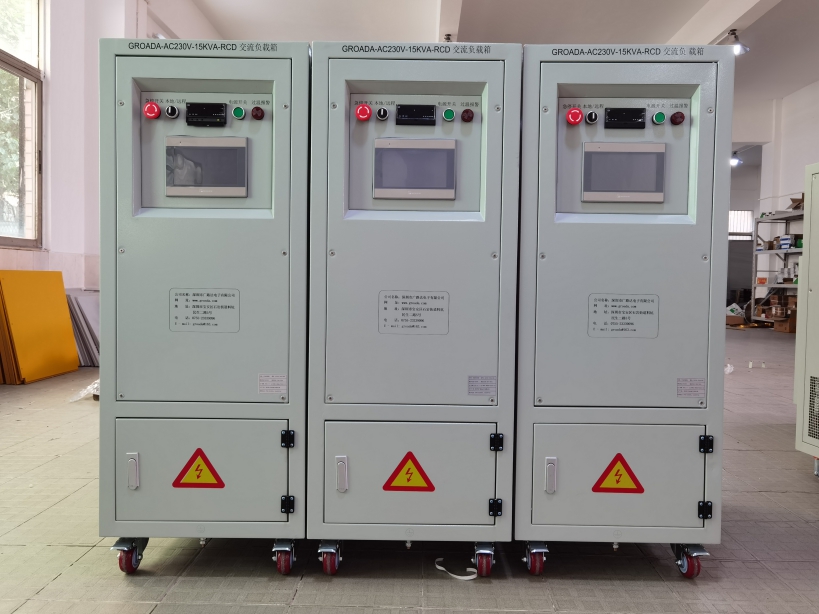
Key technical specifications include rated power (from 10 kW up to 5000 kVA), phase configuration (single or three-phase), and cooling methods—air-cooled for units up to 500 kW, water-cooled for higher capacities. Safety features such as overtemperature protection, short-circuit detection, and emergency stop (E-STOP) mechanisms ensure safe operation. Remote monitoring via Modbus, Ethernet, or CAN interfaces enables automated testing and integration with SCADA systems, reducing manual labor and increasing test accuracy.
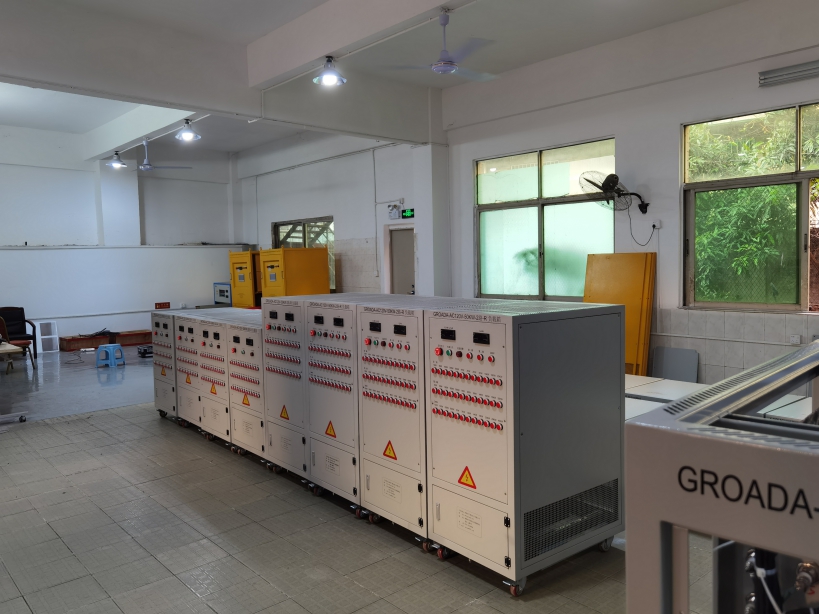
According to IEC 60034-1, motor and generator testing standards mandate that load tests be conducted at least once annually to ensure mechanical and electrical integrity. In an anonymized case study from a hospital backup system, a 200 kW resistive load bank was used to perform a 4-hour full-load test. The generator maintained stable output within ±2% voltage variation and met ISO 8528-1 requirements for transient response. This proactive approach prevented a potential failure during a regional blackout.
For optimal performance, load banks should be calibrated every 12 months using certified equipment like precision digital multimeters and clamp-on current meters. Regular maintenance includes cleaning resistor blocks, inspecting fan motors, and checking grounding continuity. Based on field experience, integrating portable load bank testing into routine maintenance schedules significantly improves uptime and reduces unplanned downtime costs by up to 30%.









