
A Medium Voltage (MV) load bank is a critical testing device used in power generation, distribution, and grid integration applications to simulate real-world electrical loads under controlled conditions. Unlike low-voltage load banks, MV load banks operate at voltages typically ranging from 1 kV to 35 kV, making them essential for validating the performance of transformers, generators, switchgear, and protection systems in industrial and utility-scale installations. These systems are commonly employed during factory acceptance tests (FAT), commissioning of new power assets, and preventive maintenance of backup power systems such as diesel generators or renewable energy inverters.
The primary function of an MV load bank is to provide a resistive, reactive, or combined RLC (resistor-inductor-capacitor) load that allows engineers to test equipment under full-load and overload conditions without relying on actual consumer demand. For example, when a generator is installed in a remote mining site, an MV load bank enables operators to verify its ability to sustain rated output under varying load profiles—ensuring reliability before commercial operation. According to IEC 60034-1, motors and generators must be tested under full-load conditions to validate torque, temperature rise, and efficiency, which can only be accurately replicated using calibrated load banks.
Modern MV load banks incorporate advanced thermal management solutions such as forced-air cooling or water-cooled systems to handle high power dissipation (often up to several megawatts). They also feature integrated digital control panels with Modbus TCP/IP or RS-485 communication protocols for remote monitoring and automation. Safety features like overtemperature shutdown, short-circuit protection, and grounding compliance meet CE and UL standards, ensuring safe operation in harsh environments. Additionally, these units often include built-in power meters for precise measurement of active power (kW), reactive power (kVAR), voltage (kV), current (A), and power factor (PF), enabling comprehensive performance analysis.
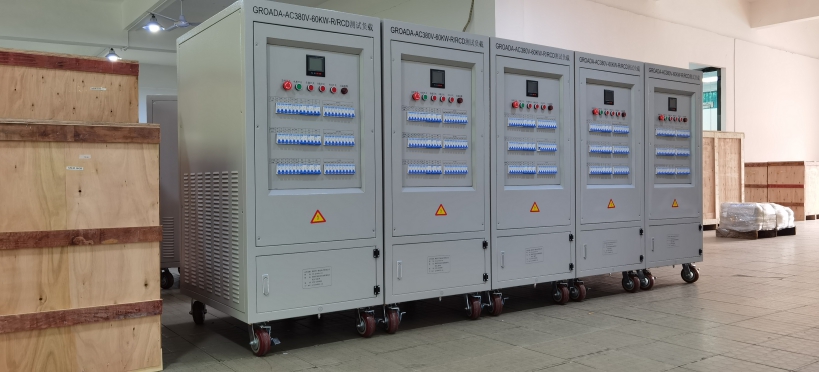
In one anonymized case study conducted by a European utility company, a 10 MVA three-phase MV load bank was used to test a newly installed wind farm interconnection system. The test confirmed proper synchronization with the grid and identified phase imbalance issues that were corrected before energization—avoiding potential downtime and revenue loss. Another simulated scenario involved a hospital’s backup generator system, where a portable MV load bank validated continuous operation for 72 hours at 100% load, meeting NFPA 110 requirements for emergency power systems.
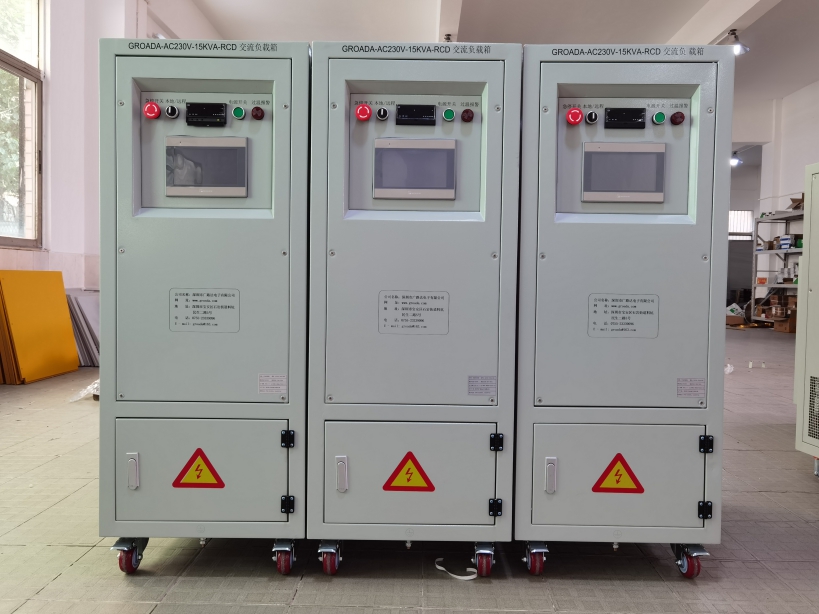
These devices are not just tools—they are indispensable for maintaining grid stability, especially as more distributed energy resources enter the network. Whether in oil & gas, data centers, or public infrastructure projects, MV load banks ensure that power systems remain resilient, efficient, and compliant with international safety and performance standards.









