
A Miller welding power load bank is a specialized testing device used to evaluate the performance, stability, and reliability of welding power sources—particularly those manufactured by Miller Electric. These load banks simulate real-world electrical loads to ensure that welding equipment delivers consistent output under various conditions, from idle to full-rated capacity. Unlike general-purpose load banks used for generators or UPS systems, Miller-specific load banks are calibrated to match the unique voltage-current characteristics of welding arcs, which typically involve high inrush currents and variable power factor behavior.
The primary purpose of a Miller welding power load bank is to validate weld quality consistency, prevent premature equipment failure, and verify compliance with manufacturer specifications. For instance, during factory acceptance testing (FAT), these load banks help detect issues like unstable arc initiation, inadequate current regulation, or overheating in power supply modules. In field service environments, they assist technicians in diagnosing intermittent failures that may not appear under normal operating conditions.
These load banks are available as resistive-only models or as combination RLC (resistive-inductive-capacitive) units tailored to mimic different types of welding processes—such as MIG, TIG, or stick welding—each requiring distinct electrical profiles. A typical unit might offer adjustable load levels from 10% to 100% of rated power, with precision control over current, voltage, and power factor within ±1%. Advanced models include digital interfaces via Modbus RTU or Ethernet for remote monitoring, data logging, and automated test sequences.
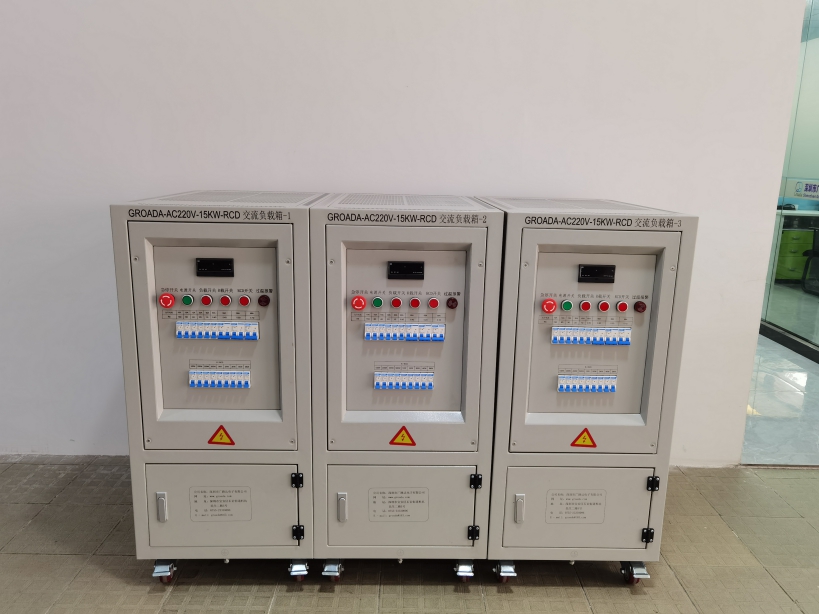
Safety features such as thermal cutoffs, overcurrent protection, and grounding integrity checks are essential, especially when testing industrial-grade welding machines that can deliver 500 A or more at 30–40 V DC. Compliance with IEC 60990 (safety requirements for electrical equipment) and UL 61010-1 (electrical safety standards) ensures safe operation in both laboratory and field settings.
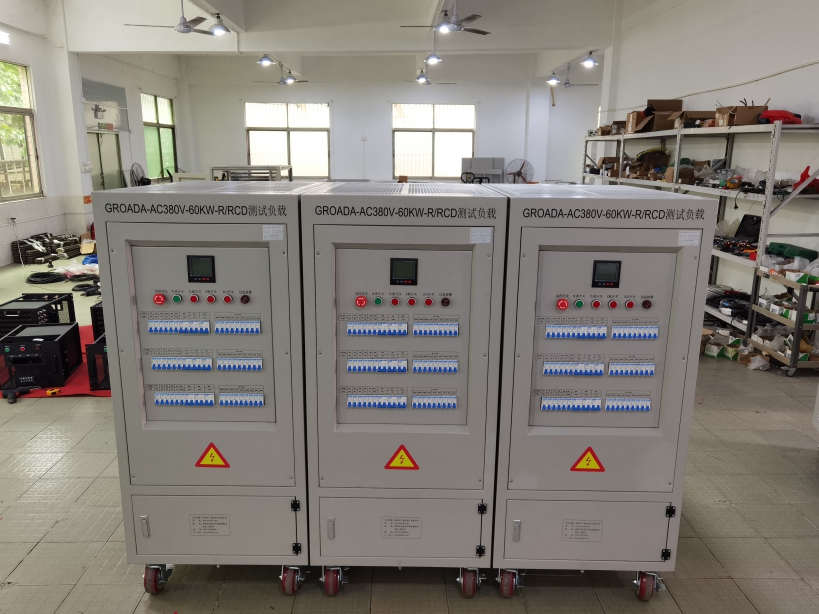
An anonymized case study from a welding equipment manufacturer showed that using a Miller-specific load bank reduced warranty claims by 28% over six months by identifying weak rectifier circuits before shipment. Another simulated example demonstrated how load testing revealed poor heat dissipation in a newly designed inverter-based welder, prompting a redesign of internal airflow channels—a change later validated through extended endurance testing.
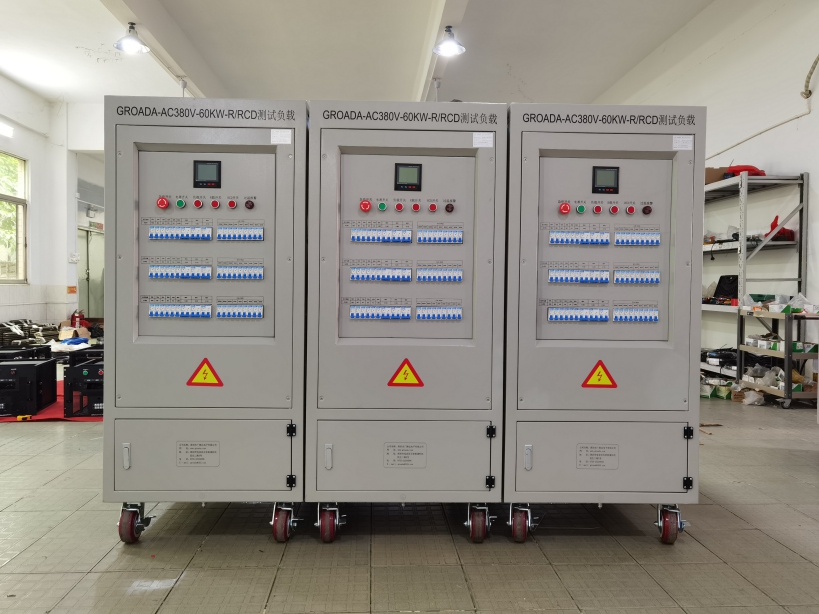
For users seeking reliable validation of their Miller welding systems, a properly configured load bank is not just an accessory—it’s a critical tool for maintaining process integrity, ensuring operator safety, and optimizing maintenance schedules.