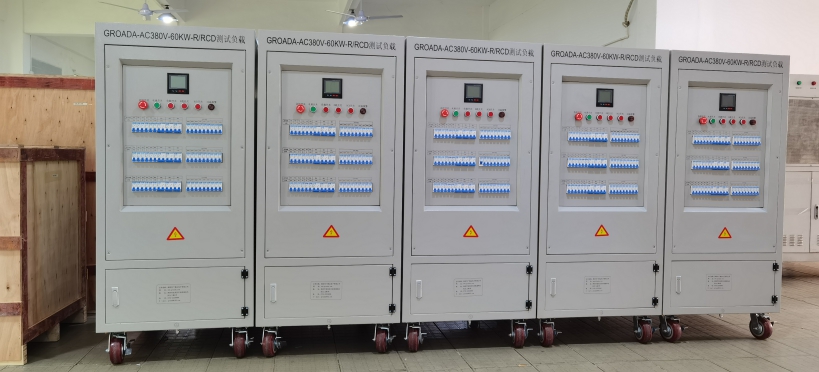
Portable load banks are essential tools for verifying the performance and reliability of power generation systems, including diesel generators, gas turbines, and uninterruptible power supplies (UPS). These devices simulate real-world electrical loads to ensure that equipment operates efficiently under various conditions—such as full-load testing, partial-load validation, or emergency backup scenarios. Unlike fixed installations, portable load banks offer flexibility in deployment across remote sites, construction zones, or industrial facilities where temporary or mobile testing is required.
The main body of this discussion focuses on three key aspects: functionality, application, and safety. Functionally, portable load banks can be resistive, reactive, or combination (RLC) types, each designed to replicate specific load characteristics. Resistive models consume active power only, making them ideal for generator set testing; reactive units mimic inductive or capacitive loads from motors or transformers; while RLC units provide comprehensive load simulation for complete system evaluation. Modern units often include digital control panels, remote monitoring via Modbus or Ethernet, and built-in protection features such as overtemperature and short-circuit detection.
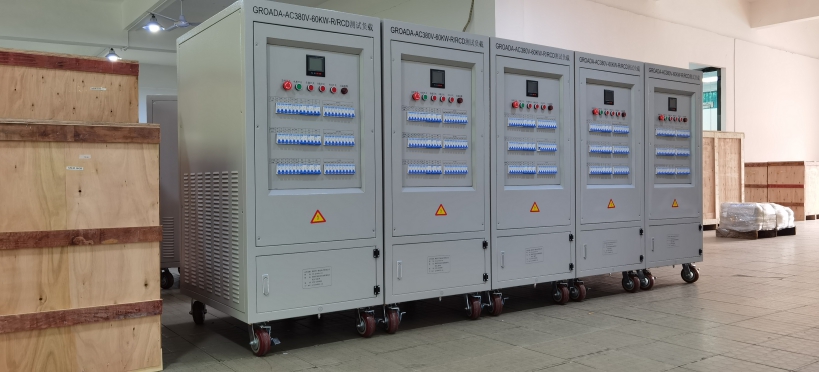
In practice, these systems are widely used during factory acceptance tests (FAT), commissioning of new installations, preventive maintenance, and grid interconnection studies for renewable energy sources like wind farms or solar plants. For example, a simulated case study at a data center showed that using a 150 kW three-phase resistive load bank improved UPS efficiency by 7% after identifying harmonic distortion issues not visible under no-load conditions. Another anonymized case involved a mining operation where a portable reactive load bank validated generator stability during sudden load changes, preventing downtime worth over $200,000 in lost productivity.
Safety standards such as IEC 60034-1 and UL 1598 govern design, thermal management, grounding, and electrical insulation levels in portable load banks. Units must also comply with CE, CCC, or UL certifications depending on the market. Cooling methods typically involve forced air circulation with fan-based systems rated up to IP54, and many models support automatic shutdown if internal temperature exceeds safe limits. Maintenance intervals are generally recommended every 12 months, with calibration cycles aligned to ISO/IEC 17025 standards.
In conclusion, portable load banks are indispensable for ensuring power system integrity in both routine operations and emergency preparedness. Their adaptability, precision, and compliance with international standards make them vital assets in modern infrastructure testing across industries—from healthcare to telecommunications.