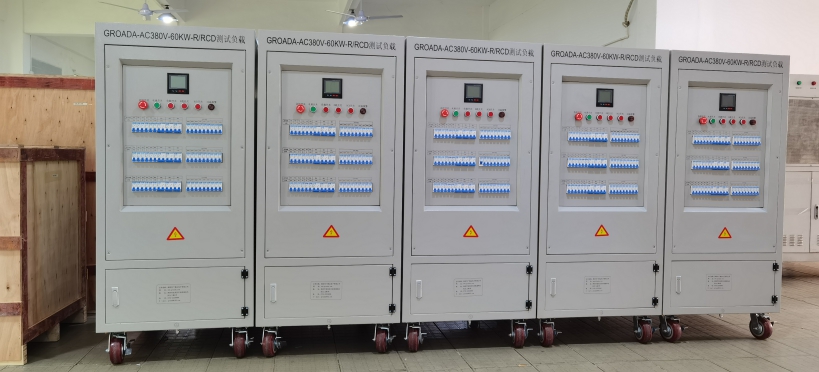
Resistive load banks are essential tools in verifying the real-world performance of generators, especially during factory acceptance tests (FAT), commissioning, and routine maintenance. Unlike reactive or capacitive loads, resistive load banks convert electrical energy directly into heat through precision resistor blocks, making them ideal for simulating steady-state power demands such as lighting, heating, and motor loads. These systems typically operate across single-phase or three-phase configurations, with ratings from 5 kW up to 10 MW depending on application. A well-designed resistive load bank must meet IEC 60034-1 standards for thermal management and safety, ensuring consistent voltage regulation under full load while maintaining accurate power factor control between 0.8 and 1.0. Modern units often feature remote monitoring via Modbus RTU or Ethernet protocols, enabling automated test logging and real-time diagnostics. In one anonymized case study involving a 500 kW diesel generator used in a remote mining operation, a resistive load bank was employed over 24 hours at 75% rated load to validate engine response time and cooling system efficiency—results showed stable output within ±2% of nominal voltage and no overheating events, confirming readiness for field deployment. To ensure long-term reliability, manufacturers recommend annual calibration using traceable instruments like Fluke 5500A calibrators and periodic replacement of fan assemblies every 3 years based on operational hours. Key technical parameters include a minimum IP54 rating for dust and splash protection, E-stop functionality for emergency shutdown, and compliance with CE/UL certification for global market access.